2026 Top Steel Pipe Types for Global Buyers

For global buyers, choosing the right steel pipe is a technical decision with direct consequences for safety, service life, and project cost. This guide compares major pipe types, including seamless, welded, carbon steel, stainless steel, and alloy options. Each serves different conditions. A pipe suited to a dry indoor line may fail in a corrosive environment or under demanding pressure. Details matter.

Buyers should compare material grade, manufacturing method, dimensions, end preparation, and documented test results—not price alone. Check how the pipe will be transported, joined, inspected, and maintained. A mill certificate is useful, but it does not replace confirming that the specification fits the actual application. Small oversights can become expensive.

A practical principle for this guide is: “Choose the pipe for the service conditions, then verify the evidence.” I can’t responsibly attribute that wording to a named steel-pipe expert because no source article or verified quotation was provided. Naming someone would risk inventing a quote. The sections ahead offer a clear comparison framework for narrowing options and preparing better supplier questions. And sometimes, the right choice is not obvious.
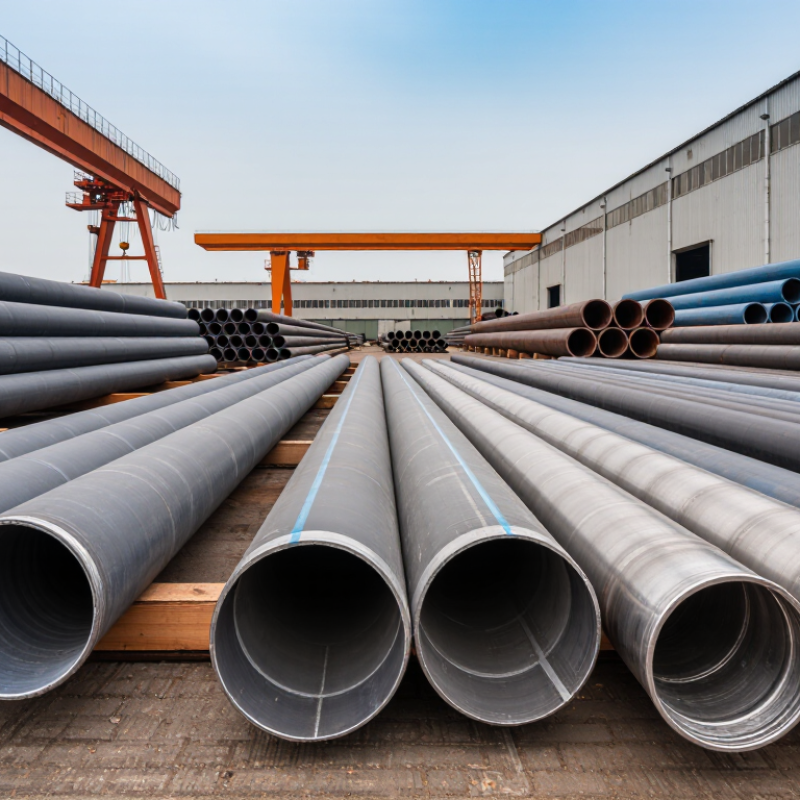
2026 Top Steel Pipe Types for Global Buyers

Steel Pipe Classification in 2026: Process, Material, and Service

Steel pipe classification starts with manufacturing route, because process affects consistency, cost, and inspection. Seamless pipe suits demanding pressure duties, while welded pipe offers efficient production across many sizes. The weld still matters. Buyers should check its inspection records and dimensional tolerances, not just the product label. The World Steel Association’s 2024 World Steel in Figures reports 1,892.2 million tonnes of crude steel production in 2023. That figure describes the upstream steel industry, not pipe output, but it shows the scale behind material sourcing.

Material choice comes next. Carbon steel is common in water, structural, and general industrial service; alloy grades address higher temperatures, and stainless grades help resist corrosion. A grade name alone is not enough. Confirm chemistry, mechanical properties, and traceability on the mill test certificate. Small differences matter.

Service classification ties these details to actual conditions: pressure, temperature, fluid, and exposure. Line pipe, boiler pipe, and structural tube are not interchangeable just because their dimensions look similar. For corrosive or abrasive duty, review the fluid and operating history before choosing a wall thickness or lining. A tidy comparison table can hide this. Real service conditions are often messier than the specification.

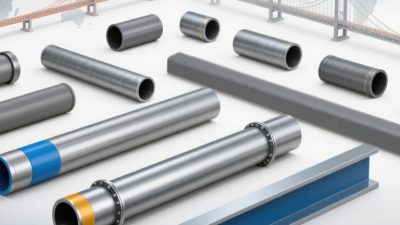
Seamless Pipe: ASTM A106 Covers NPS 1/8–48 for High-Temperature Service

ASTM A106/A106M covers seamless carbon-steel pipe for high-temperature service, with nominal sizes commonly ranging from NPS 1/8 through NPS 48. The specification includes Grades A, B, and C; confirm the required grade and current edition in the purchase documents. World Steel Association’s World Steel in Figures 2025 reports 1,882.6 million tonnes of crude steel production in 2024. That figure describes raw steel, not seamless-pipe output, but it gives useful context for the scale of the steel industry.

On site, NPS 2 pipe does not have a 2-inch outside diameter. Schedule affects wall thickness, internal bore, and weight. That distinction matters. Operating suitability also depends on the design code, temperature, pressure, corrosion allowance, and joining details—not the grade alone. A specification match is a starting point, not a complete engineering check.

Tips: Match the ordered grade and schedule to the design documents. Check mill test reports, heat numbers, dimensions, and specified tests on delivery. Do not assume every NPS is readily available in every wall thickness; confirm lead times before finalizing procurement.

2026 Top Steel Pipe Types for Global Buyers — Seamless Pipe: ASTM A106 Covers NPS 1/8–48 for High-Temperature Service

A practical reference to ASTM A106 carbon steel seamless pipe grades, service characteristics, and selected ASME B36.10M dimensions.

Category Specification or Size Key Data Buyer Considerations
Product scope ASTM A106 / A106M Seamless carbon steel pipe intended for high-temperature service; the specification covers NPS 1/8 through NPS 48. Confirm the applicable specification edition, ordered size, wall thickness, and any project-specific requirements.
Manufacturing Seamless pipe Produced without a longitudinal welded seam. Pipe may be hot finished or cold drawn in accordance with the specification. Manufacturing route and delivery condition should be stated in the purchase documents when relevant to the application.
Grade A ASTM A106 Grade A Minimum tensile strength: 48 ksi (330 MPa). Minimum yield strength: 30 ksi (205 MPa). Compare the specified grade’s strength requirements with the design code and operating conditions.
Grade B ASTM A106 Grade B Minimum tensile strength: 60 ksi (415 MPa). Minimum yield strength: 35 ksi (240 MPa). Grade B is a commonly specified option; verify that it is permitted by the applicable design and service requirements.
Grade C ASTM A106 Grade C Minimum tensile strength: 70 ksi (485 MPa). Minimum yield strength: 40 ksi (275 MPa). Check grade availability and qualification requirements for the ordered size and wall thickness.
Selected dimensions NPS 1/8 Outside diameter: 0.405 in (10.3 mm). Schedule 40 wall: 0.068 in (1.73 mm); Schedule 80 wall: 0.095 in (2.41 mm). Nominal pipe size is not the measured outside diameter. Wall values shown are standard dimensional examples.
Selected dimensions NPS 1/2 Outside diameter: 0.840 in (21.3 mm). Schedule 40 wall: 0.109 in (2.77 mm); Schedule 80 wall: 0.147 in (3.73 mm). Confirm the schedule or specified wall thickness rather than ordering by NPS alone.
Selected dimensions NPS 2 Outside diameter: 2.375 in (60.3 mm). Schedule 40 wall: 0.154 in (3.91 mm); Schedule 80 wall: 0.218 in (5.54 mm). Dimensions are based on ASME B36.10M; tolerances and permitted options are governed by the applicable standards and order.
Selected dimensions NPS 4 Outside diameter: 4.500 in (114.3 mm). Schedule 40 wall: 0.237 in (6.02 mm); Schedule 80 wall: 0.337 in (8.56 mm). Check design pressure, temperature, corrosion allowance, and code calculations when selecting wall thickness.
Selected dimensions NPS 8 Outside diameter: 8.625 in (219.1 mm). Schedule 40 wall: 0.322 in (8.18 mm); Schedule 80 wall: 0.500 in (12.70 mm). Large-diameter orders may require confirmation of available manufacturing dimensions and inspection arrangements.
Selected dimensions NPS 12 Outside diameter: 12.750 in (323.9 mm). Schedule 40 wall: 0.406 in (10.31 mm); Schedule 80 wall: 0.687 in (17.45 mm). Schedule numbers identify standardized wall series; they do not represent a universal pressure rating.
Selected dimensions NPS 24 Outside diameter: 24.000 in (609.6 mm). Schedule 40 wall: 0.688 in (17.48 mm); Schedule 80 wall: 1.219 in (30.96 mm). Confirm that the specified size and thickness fall within the governing specification and project requirements.
Testing and documentation Inspection and test requirements ASTM A106 includes prescribed testing requirements, including hydrostatic testing or an allowed nondestructive electric test alternative. State required test route, inspection scope, marking, and material documentation in the purchase specification.
Typical application context High-temperature pressure piping Used where the relevant engineering code and design conditions permit ASTM A106 seamless carbon steel pipe. Material selection must be checked against design temperature, pressure, fluid, corrosion conditions, and applicable codes.

Dimension note: The listed outside diameters and schedule wall thicknesses are selected standard dimensions from ASME B36.10M, not a complete size range or a guarantee of availability. Verify the current standards, tolerances, and order requirements before procurement.

Welded Pipe: Compare ERW, LSAW, and SSAW Manufacturing Routes

ERW pipe is formed from steel strip, then joined along one straight seam by electric resistance welding. It suits many small- and medium-diameter services, where repeatable dimensions and high production rates matter. LSAW uses a formed steel plate and a longitudinal submerged-arc weld; it is commonly selected for large diameters and heavier walls. SSAW forms a coil into a spiral, creating a helical seam. This route can produce varied diameters from a narrower coil, but its longer weld path deserves careful inspection. No route wins every time.

The scale of the steel supply chain is substantial: World Steel Association’s World Steel in Figures 2024 reports 1,892.2 million tonnes of crude steel production in 2023. That figure is not pipe output, but it underlines why buyers should verify the actual mill route and traceability, rather than infer quality from country or capacity. API Specification 5L defines requirements for line pipe, with inspection and testing provisions tied to the ordered product and specification level. Ask for the applicable PSL, dimensional tolerances, weld inspection records, and hydrostatic-test evidence. A mill’s stated capability is useful; the delivered pipe’s records matter more. The comparison can look neat on paper, yet coil availability, plate thickness, diameter, and project tolerances can shift the practical choice.

API 5L Line Pipe: X42–X80 Grades and PSL1/PSL2 Requirements

API 5L line pipe is commonly specified from X42 through X80, with the grade number indicating minimum yield strength in ksi. Higher strength can reduce required wall thickness, but it does not automatically make a pipe the safer choice. Pressure, temperature, sour service, diameter, and welding method all affect selection. A pipe marked X70, for example, still needs to match the project’s design and joining requirements.

PSL1 and PSL2 define different levels of specification. PSL2 generally adds tighter controls for chemistry and mechanical properties, plus more demanding testing and traceability requirements. The exact obligations depend on the applicable API 5L edition, grade, product form, and purchase order. Check the material test report against the ordered specification, including heat number, grade, dimensions, and test results. Details matter. A clear stencil on the pipe is useful, but it is not a substitute for verified records. For field planning, also confirm bevel condition, coating needs, and handling damage before installation. Small mismatches can delay a job. Even experienced buyers can overlook one.

2026 Top Steel Pipe Types for Global Buyers

API 5L Line Pipe: X42–X80 Grades and PSL1/PSL2 Requirements

API 5L grade designations correspond to specified minimum yield strength: for example, X42 represents 42 ksi and X80 represents 80 ksi. Actual pipe selection also depends on design conditions, wall thickness, manufacturing route, and project requirements.

PSL1 and PSL2 are specification levels, not steel grades. PSL2 generally includes additional requirements, such as tighter controls on chemical composition and mechanical properties, plus supplementary testing and traceability provisions. Applicable requirements depend on the ordered product specification and edition of API 5L.

Strength values shown are specified minimum yield strengths in ksi; they are not maximum allowable operating pressures.

Stainless Steel Pipe: ASTM A312 Covers TP304 and TP316 Grades

For buyers comparing stainless steel pipe, ASTM A312 is a key specification for austenitic grades such as TP304 and TP316. It covers seamless, welded, and heavily cold-worked pipe. Requirements depend on the product form and ordered conditions. TP304 is often used in food-processing lines, indoor utilities, and general-purpose equipment with moderate corrosion exposure. TP316 contains molybdenum, which generally improves resistance to chloride-related corrosion. Better, but not invulnerable. Salt spray, stagnant water, temperature, and cleaning chemicals can still cause problems, especially near welds or crevices.

A grade name alone is not a complete purchase description. Confirm nominal size, wall thickness or schedule, manufacturing route, finish, and required testing. Request inspection documents that link the pipe’s heat number to its material test report; this makes receiving checks more useful. For a coastal washdown line, TP316 may be a safer starting point, while a dry indoor service may not justify the added alloy cost. Service conditions matter. One common oversight is choosing by corrosion resistance alone, then discovering that pressure design, fabrication, or cleaning requirements were not reviewed. ASTM A312 helps define the material, but it does not replace engineering review of the whole system.

"*" indicates required fields