"*" indicates required fields
Choosing the right steel pipe for global sourcing requires more than comparing prices. It demands evidence, technical judgment, and disciplined supplier verification. The World Steel Association’s World Steel in Figures 2024 reported approximately 1.89 billion tonnes of crude steel production in 2023. That scale creates opportunity, but also inconsistency between mills, regions, and documentation systems. A cheaper quotation may hide thicker tolerances, weaker traceability, or costly port delays.
A practical evaluation should begin with service conditions. Define pressure, temperature, fluid type, corrosion exposure, diameter, wall thickness, and connection requirements. Then match the steel pipe to recognized standards, such as ASTM, API, EN, or ISO, where applicable. Request mill test certificates, heat numbers, inspection records, coating details, and dimensional reports. The OECD’s latest steel-sector analysis continues to highlight global capacity pressures and competitive trade conditions, making supplier capability and delivery reliability especially important. Paperwork alone is not enough.
Field experience matters. John Ferriola, former Nucor chairman and chief executive, described steel as “the backbone of the modern world.” That backbone still needs inspection. A serious sourcing plan should compare total landed cost, not only the factory price. Include testing, packaging, inland transport, insurance, customs handling, and rejected-material risk. Small details matter. A damaged bevel can delay installation. An unclear grade can stop approval. No supplier is perfect, and buyers should question their own assumptions. This guide, How to Choose the Right Steel Pipe for Global Sourcing?, examines specifications, certification, supplier audits, logistics, and risk controls for more dependable purchasing decisions.
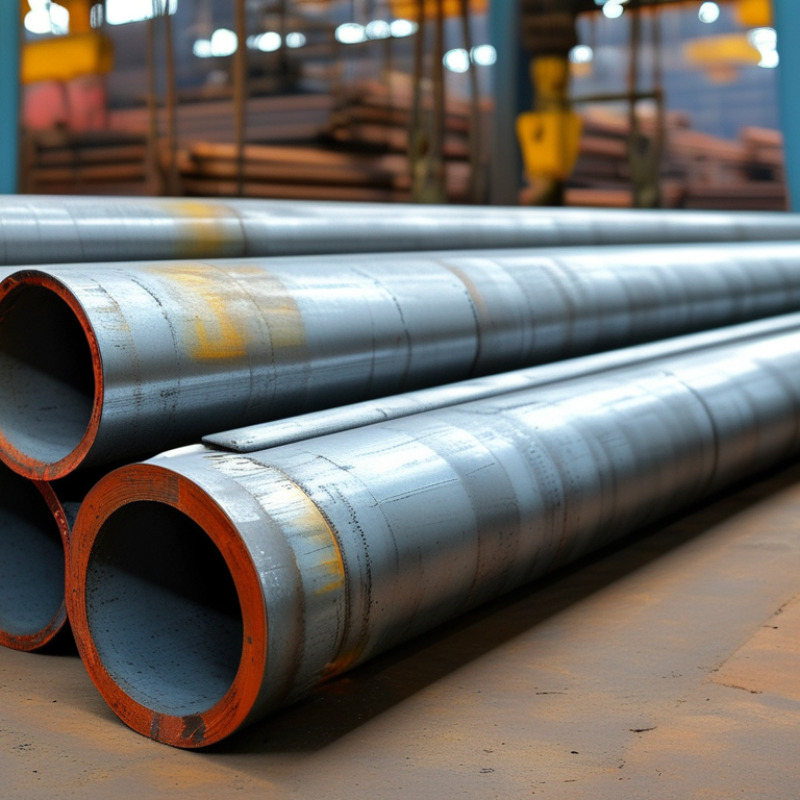
Choosing steel pipe for global sourcing starts with a project brief, not a supplier catalog. Define the service, pressure, temperature, fluid, diameter, wall thickness, length, and connection method. Record whether the pipe serves structural, water, process, or energy duty. Each use demands different controls. A pressure line may require seamless pipe, certified testing, and strict dimensional limits. A low-risk structural frame may accept welded pipe with different tolerances. Keep the design temperature visible. It can change grade selection and impact requirements. I once saw a procurement sheet list only “carbon steel pipe.” That description was too vague to price safely. It also invited substitutions. Details matter. Poorly defined requirements create delays, not savings.
Translate the brief into measurable specifications. State the applicable standard, steel grade, outside diameter, nominal wall, schedule, length tolerance, end finish, coating, and inspection documents. Specify chemical composition, tensile properties, hydrostatic testing, and nondestructive examination when required. Ask for heat numbers and traceability records. They connect each bundle to its test results. For international shipments, clarify packing, marking, preservation, and document language before production. Confirm whether local codes require additional certificates or third-party inspection. Do not accept “equivalent grade” without a written comparison. Equivalence can hide differences in toughness, weldability, or corrosion performance. I would also challenge my own specification annually. Some requirements become habits rather than engineering needs. Specifications evolve. A careful review can reduce cost, but only after safety margins remain defensible.
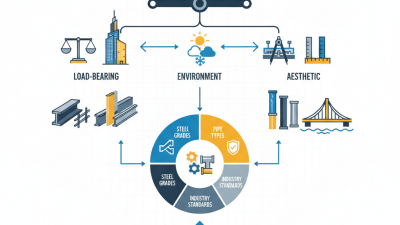
Choosing the right steel pipe for global sourcing requires more than comparing prices. Material selection should match the fluid, temperature, pressure, and installation environment. Carbon steel is practical for many structural and low-temperature applications. Stainless steel offers stronger corrosion resistance, especially in humid or chemically aggressive areas. Alloy steel can perform better under heat and pressure, but usually requires tighter quality control.
Grades matter because similar-looking pipes may behave very differently in service. Review chemical composition, yield strength, tensile strength, wall thickness, and impact requirements. Common specifications may include ASTM, API, EN, or other recognized standards. Always confirm whether the grade fits the destination market and project documentation. A mill test certificate, heat number, and inspection record improve traceability. In practice, missing paperwork can create more trouble than a small material defect.
Tips: Compare manufacturing methods before approving a supplier. Seamless pipe is often preferred for demanding pressure applications, while welded pipe can provide efficient sizing and cost control. Check the welding process, heat treatment, dimensional tolerance, and non-destructive testing. Ask for sample reports, not only promises. A perfect choice rarely exists. Lower cost may mean higher inspection needs, and even experienced buyers can overlook coating damage during transport. Review packing, moisture protection, and loading photographs before shipment.
Choosing a steel pipe supplier requires more than comparing prices. I have seen low-cost offers fail when wall thickness varied across one shipment. Request recent inspection records, not only polished factory photographs. Ask for material certificates, heat numbers, chemical analysis, tensile results, and dimensional reports.
Certifications should match the pipe’s intended use and destination market. Check whether the certificate is current, independently verifiable, and issued for the actual production site. An ISO 9001 certificate supports process control, but it does not guarantee every pipe is perfect. Confirm testing methods, calibration dates, and nonconformance procedures. Ask for a sample report before placing a large order. Small details matter.
Production capacity also needs practical evidence. Review monthly output, available rolling lines, storage space, and subcontracting arrangements. A supplier may claim 10,000 tonnes monthly, yet lack enough finishing capacity for your schedule. Request a production plan showing raw material arrival, forming, welding, inspection, coating, and dispatch dates. I prefer suppliers that explain constraints clearly. That honesty is useful. Verify traceability from billet or coil to bundle labels. One weakness remains: capacity figures can change during peak seasons. A site audit, video inspection, or third-party quality check can reduce that uncertainty. Keep written records of every technical agreement.
Choosing steel pipe for global sourcing requires more than comparing the mill price. Over 80% of international trade by volume moves by sea, according to UNCTAD’s Review of Maritime Transport 2023. That makes port location, container availability, vessel schedules, and cargo weight commercially important. A low-priced pipe can become expensive after ocean freight, terminal handling, storage, inland transport, insurance, and inspection charges.
Trade compliance needs equal attention. Confirm the correct HS classification, product standards, country of origin, and required mill certificates before placing an order. Check export controls, import duties, anti-dumping measures, and documentation rules in the destination market. The World Trade Organization has estimated that full implementation of trade facilitation measures could reduce global trade costs by 14.3%. Missing one certificate may still delay clearance. It happens. The World Bank’s 2023 Logistics Performance Index also highlights customs efficiency, infrastructure, and shipment reliability as major supply-chain factors.
Tips: Build a landed-cost sheet by pipe bundle, not only by tonne. Include dimensional inspection, coating requirements, port fees, duty, taxes, and inland delivery. Ask for shipment photos and packing dimensions. My early estimates often ignored storage after a missed sailing. That small error changed the final price. Use two freight scenarios, and review the assumptions with a customs specialist before signing.
Cross-border sourcing comparison using standard pipe specifications, common trade documents, indicative ocean freight assumptions, and total landed cost in USD per metric ton.
| Pipe Category | Typical Specification | Candidate HS Heading | Example Sourcing Lane | Shipping Mode | Estimated Transit Time | Required Compliance Documents | Applied Duty Rate | Indicative Purchase Cost | Estimated Total Landed Cost | Compliance Risk | Sourcing Recommendation |
|---|---|---|---|---|---|---|---|---|---|---|---|
| Carbon Steel ERW Pipe | ASTM A53 Grade B 8 in. nominal diameter Schedule 40 |
7306.30 Welded circular pipe of iron or non-alloy steel |
East Asia to Rotterdam Container or breakbulk |
Ocean freight 40-foot container |
35–45 days Port-to-port |
Commercial invoice; packing list; bill of lading; mill test certificate; certificate of origin; ISPM 15 wood-packaging record |
0% Scenario rate; verify by destination and origin |
$980/MT | $1,128/MT | Low | Best for general water, air, and structural service when welded construction is acceptable and volume is high. |
| Carbon Steel Seamless Pipe | ASTM A106 Grade B 6 in. nominal diameter Schedule 40 |
7304.19 Seamless line pipe of iron or non-alloy steel |
South Asia to Houston Bulk industrial shipment |
Ocean freight Breakbulk or container |
38–52 days Port-to-port |
ASTM compliance statement; EN 10204 3.1 certificate; hydrostatic test records; heat-number traceability; third-party inspection report; import entry documents |
5% Scenario rate; confirm current tariff treatment |
$1,060/MT | $1,270/MT | Medium | Suitable for elevated-temperature and pressure service; allow additional inspection time for seamless production. |
| Line Pipe | API 5L PSL 2 X52 grade 12 in. welded pipe |
7306.19 Welded line pipe for oil or gas conveyance |
Eastern Europe to Dubai Project cargo |
Ocean freight Breakbulk vessel |
25–35 days Port-to-port |
API 5L certificate; PSL 2 test results; NACE compliance where specified; weld inspection records; coating inspection report; certificate of origin |
0% Scenario rate; subject to end-use and origin rules |
$820/MT | $996/MT | Medium | Efficient for pipeline projects; confirm grade, pressure class, coating system, and end-use controls before purchase. |
| Structural Hollow Section | EN 10219 S355J2H 200 × 200 × 10 mm |
7306.61 Welded square or rectangular hollow sections |
North Africa to Northern Europe Regional short-sea route |
Short-sea freight Full-load shipment |
8–16 days Port-to-port |
EN 10219 inspection certificate; CE/DoP documentation where applicable; dimensional inspection report; steel grade certificate; origin declaration; packing and lifting plan |
0% Scenario rate; check trade agreement eligibility |
$1,350/MT | $1,575/MT | Low | Preferred for structural fabrication when regional shipping can reduce lead time and handling cost. |
| Stainless Steel Seamless Pipe | ASTM A312 TP316L 2 in. nominal diameter Schedule 10S |
7304.41 Seamless stainless steel pipe |
East Asia to Singapore Containerized shipment |
Ocean freight 20-foot container |
18–28 days Port-to-port |
ASTM A312 certificate; PMI report; chemical composition report; corrosion-resistance test where required; EN 10204 3.1 certificate; origin and customs documents |
0% Scenario rate; stainless classifications require verification |
$1,980/MT | $2,196/MT | Medium | Choose for chloride or corrosive environments; require positive material identification to prevent grade substitution. |
| Oilfield Casing Pipe | API 5CT J55 5½ in. casing BTC connection |
7304.29 Other seamless casing or tubing |
South Asia to Houston Specialized project cargo |
Ocean freight Breakbulk or container |
38–52 days Port-to-port |
API 5CT license or certificate; connection dimensional report; drift test record; hydrostatic test report; thread-protector verification; heat traceability; export-control screening |
5% Scenario rate; petroleum products may have additional rules |
$1,100/MT | $1,307/MT | High | Use only when oilfield requirements are confirmed; technical certification and export-control review are essential. |
How to Choose the Right Steel Pipe for Global Sourcing?
A reliable steel pipe begins with a sample that matches your actual project conditions. Request samples from the same production line, not only showroom pieces. Check outside diameter, wall thickness, length, surface finish, and end preparation with calibrated tools. Record every result in a shared inspection sheet. A clean surface can hide poor chemistry or inconsistent hardness.
Ask for material test reports, heat numbers, and traceability records. An independent inspector should witness dimensional checks, pressure testing, coating inspection, and packing review. Define acceptable tolerances before production starts. Photos help, but they cannot replace physical inspection. I have seen attractive samples fail after transport because packaging protected appearance, not pipe ends. That mistake is easy to repeat.
Tips: Keep it practical. Measure twice. Compare samples against drawings, not memory. Include inspection stages in the purchase agreement, with clear notice periods and corrective-action rules. Long-term supply terms should cover annual volume, delivery windows, raw-material adjustments, payment milestones, replacement duties, and document retention. Request a small trial order before committing to larger releases. It may slow purchasing briefly, but it exposes production gaps early. Also review the supplier’s capacity during peak seasons. Capacity claims are sometimes optimistic. Build a backup source, even when the first shipment performs well.
Recommended acceptance thresholds for sample verification, inspection procedures, and long-term supply terms.
A reliable sourcing decision should prioritize documented inspection results, complete material traceability, verified product conformity, and consistent delivery performance. The percentages represent practical procurement targets rather than supplier-specific results.
"*" indicates required fields