2026 Best Steel Industries for Global Buyers?

Choosing the 2026 best steel industries for global buyers requires more than comparing prices. It requires evidence.

Steel remains central to bridges, vehicles, renewable-energy equipment, machinery, and secure supply chains. Lakshmi N. Mittal, Executive Chairman of ArcelorMittal, has often described steel as “the backbone of modern economies.” That view still matters, but buyers should test it against current realities.

This guide examines leading steel industries through practical buyer concerns. These include product quality, mill capacity, delivery reliability, certification, energy use, and digital traceability. A reliable supplier should provide clear chemical compositions, mechanical test results, and consistent batch records. Small details matter. A missing certificate can delay customs clearance or interrupt production.

China, India, Japan, South Korea, the United States, and European producers each offer different strengths. Some compete through scale and broad product ranges. Others focus on advanced automotive grades, specialty alloys, cleaner production, or strict quality systems. However, no country is best for every project. A low quotation may hide longer transit times, unstable freight costs, or costly inspections.

Carbon performance also deserves careful attention. Buyers should request verified emissions data instead of accepting vague “green steel” claims. Certification can help, but paperwork alone is not proof. Conditions change quickly. Policy shifts, energy prices, and port disruptions may affect a supplier’s real value.

This introduction therefore takes a balanced view. It recognizes industry leaders while questioning easy rankings. The strongest choice is not always the cheapest mill. It is the supplier that delivers suitable steel, dependable documentation, and measurable long-term value.
2026 Best Steel Industries for Global Buyers?

Global Steel Industry Landscape in 2026

2026 Best Steel Industries for Global Buyers?

Global Steel Industry Landscape in 2026

The global steel landscape in 2026 will reward buyers who measure more than production volume. The World Steel Association reported global crude steel output of about 1.88 billion tonnes in 2024. Its Short Range Outlook also points to modest demand growth, rather than a dramatic recovery. This creates a competitive, price-sensitive market.

Regional performance will remain uneven. Emerging Asian and Middle Eastern markets are expanding construction and infrastructure capacity, while mature markets face slower demand and stricter emissions rules. The OECD Steel Outlook 2025 warned that global steelmaking capacity could continue rising faster than consumption. Excess capacity may pressure prices, but it can also increase export competition and delivery flexibility.

Carbon data now matters at the purchasing desk. The International Energy Agency identifies steel as a major industrial emissions source and supports faster use of scrap, electric furnaces, renewable power, and hydrogen-based production. Buyers should request mill test certificates, origin records, recycled-content evidence, and product carbon footprints. Port distance matters too. A cheaper coil can become expensive after freight, insurance, delays, and border requirements.

The picture is not clean.

Some suppliers publish impressive targets without consistent verification. That should invite questions, not trust. In my view, the strongest 2026 steel sectors will combine reliable quality control, transparent emissions data, flexible shipment sizes, and stable raw-material access. That judgment can still be wrong. Market data changes quickly. Pricing decisions need current regional evidence.

Leading Steel-Producing Regions and Their Market Roles

2026 Best Steel Industries for Global Buyers?

Leading Steel-Producing Regions and Their Market Roles

In 2026, global steel buyers should judge producing regions by role, not output alone. East Asia remains a major source of flat products, construction steel, and processed components. Its dense supplier networks support large orders and short production cycles. Yet buyers must examine energy exposure, export rules, and port congestion. A low mill price can lose its advantage after freight and compliance costs.

South Asia offers expanding capacity and competitive costs, especially for infrastructure-linked demand. Local producers often serve fast-growing domestic markets first. That can tighten availability during construction surges. The Middle East is becoming more important for energy-intensive steel, supported by developing logistics corridors and lower-carbon power projects. However, project timelines vary, and promised capacity may not arrive on schedule. Buyers need current mill records, shipment evidence, and independent quality checks.

Europe remains influential in specialty grades, engineered products, and demanding automotive or industrial applications. Its market role is shaped by strict environmental reporting and traceability. North America combines strong end-user demand with regional supply chains, but procurement may face premium pricing and changing trade measures. Latin America can provide minerals, semi-finished steel, and selected finished products. Political shifts and inland transport gaps still require careful planning. I would not rank one region as universally best. That judgment is too simple. Conditions change quickly. A practical sourcing review should compare chemistry, certifications, lead time, payment risk, carbon data, and after-sales capability. Even reliable market reports can lag real conditions.

Major Steel Product Categories and Industrial Applications

For global buyers in 2026, steel selection should begin with the product category, not the lowest quoted price. The World Steel Association reported global crude steel production of about 1.89 billion tonnes in 2023. This scale reflects strong demand across construction, transport, machinery, and energy infrastructure.

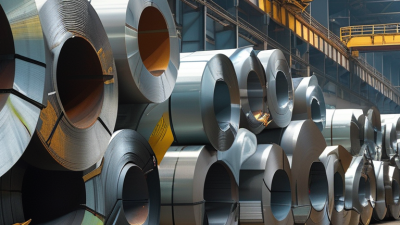
Flat steel includes hot-rolled, cold-rolled, galvanized, and coated sheets. It suits vehicle panels, roofing, appliances, storage systems, and industrial enclosures. Galvanized sheet performs well in humid warehouses because its zinc coating slows corrosion. However, coating mass and surface finish require inspection. A cheaper coil may create higher fabrication costs later.

Long products include rebar, wire rod, beams, channels, and merchant bars. They support buildings, bridges, rail systems, and transmission structures. Rebar selection should match the project’s strength, weldability, and seismic requirements.

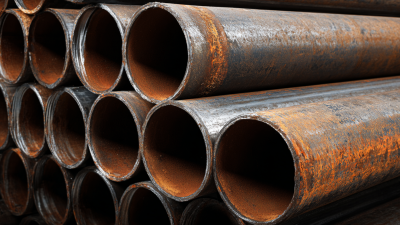
Tubular products serve pipelines, scaffolding, structural frames, and heat-transfer equipment. Stainless and alloy steels fit food-processing lines, chemical facilities, medical equipment, and high-temperature machinery. The International Energy Agency estimates steel production creates roughly 7% to 9% of global energy-related emissions, so recycled content and production energy increasingly affect purchasing decisions. That sounds simple. It is not. Buyers still need mill certificates, dimensional checks, traceability records, and independent testing. OECD steel-market analysis also warns that excess capacity can pressure prices while weakening supply-chain discipline. A low offer may hide inconsistent tolerances, delayed shipments, or incomplete documentation. Experience suggests that technical specifications should be agreed before commercial negotiation, though this step is often skipped.

How Global Buyers Should Compare Steel Suppliers

How Global Buyers Should Compare Steel Suppliers

Global buyers should compare steel suppliers beyond quoted price. Start with production consistency, traceability, delivery performance, and technical support. The World Steel Association reported global crude steel production at about 1.88 billion tonnes in 2024. This scale creates choice, but also uneven quality. A reliable supplier should provide heat numbers, mill test certificates, chemical composition, and mechanical results for every shipment. Ask whether certificates are independently verified. Do not rely only on a polished website.

Cost needs a wider lens. Include freight, inspection, packaging, customs delays, and possible rework. The OECD’s latest steel outlook continues to highlight global overcapacity and intense market pressure. Low prices may reflect efficiency. They may also signal weaker controls. Compare defect rates, on-time delivery, complaint response, and production capacity during peak demand. Request recent evidence, not promises. A factory visit helps, although one visit can create false confidence.

Tips: Build a weighted scorecard before requesting quotations. Give quality and delivery equal importance to price. Check ISO 9001 certification, but inspect the actual process behind it. Ask for two recent references in similar steel grades. Confirm testing standards, tolerances, and packaging details in the contract. IEA analysis shows steel remains responsible for roughly 7% to 9% of global energy-related emissions, so buyers should also review emissions data and scrap usage. No scorecard is perfect. Recheck it after the first shipment.

2026 Best Steel Industries for Global Buyers

How global buyers should compare steel suppliers: regional crude steel production provides a useful starting point for assessing supply depth, mill capacity, and sourcing resilience.

The chart shows estimated 2024 crude steel production by major global region, measured in million metric tonnes. Buyers should also compare product certifications, export reliability, lead times, energy intensity, pricing, and contract performance before selecting suppliers.

Source: World Steel Association, 2024 regional crude steel production data; figures rounded.

Quality, Pricing, Logistics, and Sustainability Factors

2026 Best Steel Industries for Global Buyers?

Quality, Pricing, Logistics, and Sustainability Factors

Global steel buyers in 2026 need more than a low quotation. Quality should begin with verified chemical composition, tensile strength, dimensional tolerance, and independent inspection records. A serious supplier can explain heat numbers, production dates, and corrective actions without hesitation. Traceability matters. Factory experience helps reveal small warning signs, such as inconsistent labeling or unclear test certificates.

Pricing requires a wider calculation. Compare the steel grade, thickness tolerance, packaging, payment terms, and inspection costs together. A cheaper coil may create higher cutting waste or rework expenses. Freight rates, port congestion, insurance, and currency changes can quickly alter the final landed price. My own sourcing reviews have shown that the lowest offer is rarely the lowest total cost. That lesson remains easy to forget.

Logistics should include realistic production schedules and visible shipment milestones. Buyers can request loading photos, container details, and backup routing before production begins. Sustainability is also becoming a purchasing requirement, not a decorative statement. Ask for energy data, recycled content, emissions reporting, water management records, and responsible scrap handling. Certifications help, but they do not replace evidence. No scorecard is perfect. A supplier may perform well on emissions while struggling with delivery reliability. Regular audits, sample testing, and clear contract remedies reduce that risk. Reliable steel purchasing depends on evidence, not impressive promises.

"*" indicates required fields