What is Steel Metal and Its Uses in Global Sourcing?
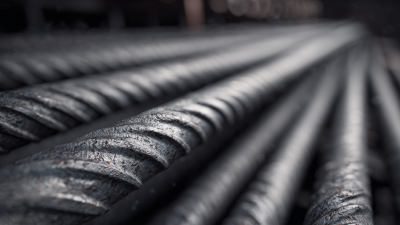
Steel metal is a fundamental material used across various industries worldwide. Its strength and durability make it ideal for construction, manufacturing, and infrastructure projects. Steel metal can withstand extreme conditions, bringing reliability to different applications.
In today's global sourcing landscape, understanding steel metal's properties is crucial. This material is not only functional but also versatile. From automotive components to architectural frameworks, steel plays a vital role in modern engineering. Companies must consider various factors in sourcing, such as quality, cost, and sustainability.
While the benefits of steel metal are clear, challenges persist. Sourcing this material requires careful evaluation of suppliers and their practices. Ethical considerations and environmental impact must also be addressed. As industries evolve, the demand for steel will continue, driving innovation and responsible sourcing methods.
What is Steel Metal? Definition and Composition Overview
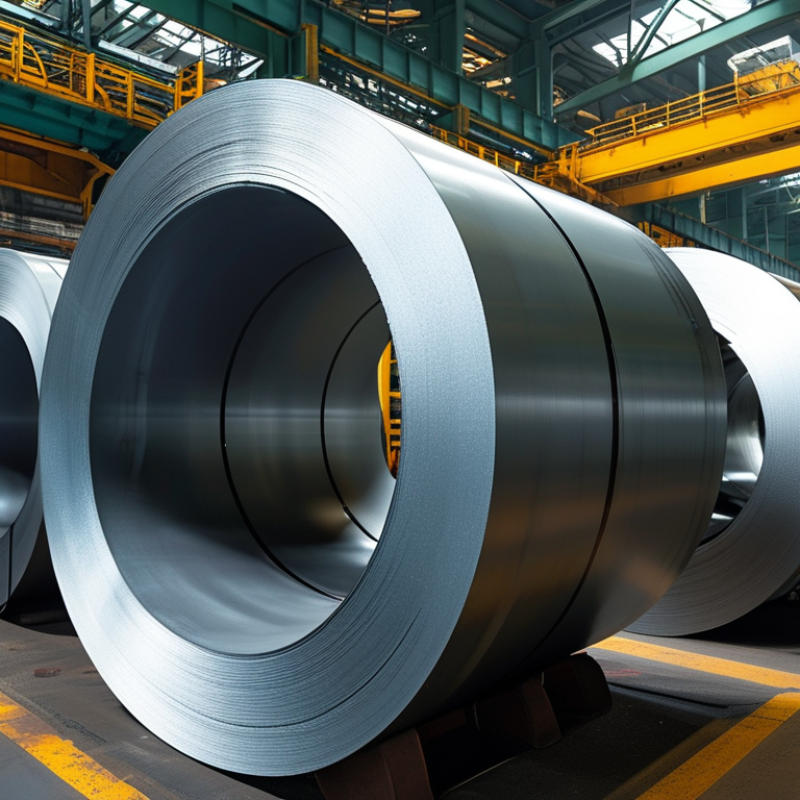
Steel metal is an alloy primarily made of iron and carbon. Its composition typically consists of about 0.2% to 2.1% carbon. This small percentage significantly influences the metal's strength and hardness. Other elements, such as manganese, chromium, and nickel, can also be added to enhance specific properties. The versatility of steel makes it a fundamental material in various industries, including construction and automotive manufacturing.
When sourcing steel, consider the type of alloy needed for your project. Different applications require different steel grades. For instance, high-strength steel is crucial for skyscrapers, while stainless steel suits environments that demand resistance to corrosion. A thoughtful approach to selecting steel can improve the longevity and safety of projects.
Tips: Always verify the supplier's quality standards. Request certification to ensure compliance with international norms. Also, consider sustainability; choose suppliers committed to environmentally friendly practices. This attention to detail can lead to better material choices, ultimately affecting your project’s success. Quality assurance is key in global sourcing, and being informed can prevent costly mistakes.
Global Steel Production Statistics and Key Producers in the Market
Steel is a vital material in today's global market. Its applications range from construction to manufacturing. Understanding global steel production statistics helps highlight its significance. As of 2023, the world produced over 1.9 billion metric tons of steel. This figure indicates a steady demand, driven by infrastructure development and industrial growth.
Several key players dominate the steel market. Countries like China, India, and Japan lead in production capacity. China alone accounts for about 57% of the world's total steel output. This reliance raises questions about sustainability and resource management. While steel is fundamental, the environmental impact of its production is a concern that needs addressing.
The competition in the steel industry is fierce. Emerging markets are expanding their production capabilities. This growth invites new challenges, such as fluctuating prices and trade regulations. It is crucial for companies to adapt quickly. Continuous improvement in production methods will be essential for maintaining a competitive edge. The future of steel production is complex, requiring innovative solutions and responsible practices.
Global Steel Production Statistics and Key Producers in the Market
| Country/Region |
Steel Production (Million Metric Tons) |
Percentage of Global Production (%) |
Main Uses |
| Asia |
950 |
66.0% |
Construction, Automotive, Infrastructure |
| Europe |
210 |
14.5% |
Construction, Manufacturing |
| North America |
100 |
7.0% |
Automotive, Energy, Appliances |
| South America |
40 |
2.8% |
Construction, Infrastructure |
| Africa |
25 |
1.8% |
Construction, Manufacturing |
| Oceania |
15 |
1.0% |
Mining, Construction |
Primary Applications of Steel in Construction and Infrastructure Projects
Steel is a versatile metal widely used in construction and infrastructure projects. Its strength and durability make it an essential material for building structures that endure heavy loads. In the construction sector, steel beams and columns form the framework of skyscrapers and bridges. These structures rely on steel’s ability to withstand stress and deformation, ensuring longevity.
In infrastructure, steel is vital for roads and railways. Steel rails provide the necessary strength for trains, allowing for safe and efficient transportation. Additionally, steel reinforcement bars, or rebar, are used in concrete to enhance its tensile strength. This combination creates durable highways and bridges that stand the test of time.
**Tip:** When sourcing steel, consider its recyclability. Steel is one of the most recycled materials in the world. Be mindful of quality standards to ensure the material meets local regulations.
Despite its advantages, there are challenges. Variability in steel quality can impact project safety. Improper sourcing can lead to structural failures. It’s crucial to evaluate suppliers and their processes carefully.
**Tip:** Regularly assess the steel used in your projects. This proactive approach can prevent long-term issues and ensure structural integrity.
Role of Steel in Manufacturing: Automotive, Machinery, and Consumer Goods
Steel plays a crucial role in global manufacturing, particularly in the automotive, machinery, and consumer goods sectors. The World Steel Association reports that global steel production reached over 1.9 billion tons in 2022. This high demand can be attributed to steel's versatility and strength. In the automotive industry, nearly 60% of vehicle weight comes from steel components. It provides safety, durability, and performance. Steel's ability to withstand extreme conditions makes it indispensable in vehicle manufacturing.
For machinery, steel serves as the backbone. Equipment used in construction and agriculture relies heavily on steel for its strength and longevity. Innovations in steel alloys have improved their performance in severe conditions. According to a recent market analysis, demand for steel in machinery is projected to grow by 5% annually.
Tip: When selecting steel for projects, consider not just the material’s strength but also its environmental impact. Recycled steel options are available.
Consumer goods also utilize steel for its robust properties. From kitchen appliances to furniture, steel enhances both functionality and aesthetic appeal. Yet, the industry faces challenges with sustainability. The production process can be energy-intensive and may emit significant CO2. Reflecting on these issues is crucial for future improvements.
Tip: Prioritize suppliers that focus on sustainable practices in their steel sourcing.
Impact of Global Sourcing on Steel Supply Chains and Pricing Trends
Global sourcing has deeply influenced the steel supply chains and pricing trends. Sourcing steel from various countries allows companies to access diverse resources. This diversity can lower costs but also introduces complexity. For instance, transportation delays can disrupt supply chains. Factors like tariffs and trade agreements further complicate matters.
Pricing trends in the steel market are often volatile. A sudden increase in demand, or even speculation, can spike prices overnight. Global events such as political tensions or natural disasters also impact supply. Companies must constantly adapt to these changes. Transparency within the supply chain is vital, yet often lacking.
Many businesses struggle to balance cost-efficiency with reliability. While sourcing materials globally can reduce expenses, it may lead to quality issues. Some suppliers may not adhere to the same standards. This inconsistency can affect product quality and delivery times. Finding reliable partners is a continual challenge. Professional expertise remains essential in navigating this complicated landscape.
Global Steel Production and Pricing Trends (2018-2023)