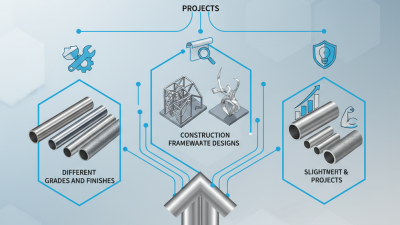
Why Choose Aluminum Tube Steel for Your Next Project?
In the ever-evolving construction and manufacturing industries, choosing the right materials is crucial. Aluminum tube steel is gaining attention due to its unique benefits. According to a recent report by the Aluminum Association, aluminum use in engineering applications has increased by over 20% in the last decade. This trend highlights an industry shift towards lightweight and durable materials.
Aluminum tube steel stands out for its high strength-to-weight ratio. It offers excellent durability while significantly reducing overall weight. Projects benefit from lower transportation costs and easier handling. Industry reports show that structures utilizing aluminum components often experience enhanced longevity and reduced maintenance.
However, it's worth noting that challenges remain in the widespread adoption of aluminum tube steel. Some engineers express concerns about its performance in extreme conditions. This highlights the need for thorough testing and research. With the right application and planning, aluminum tube steel can indeed contribute to successful project outcomes. Understanding its pros and cons is crucial for any project manager looking to leverage this innovative material.
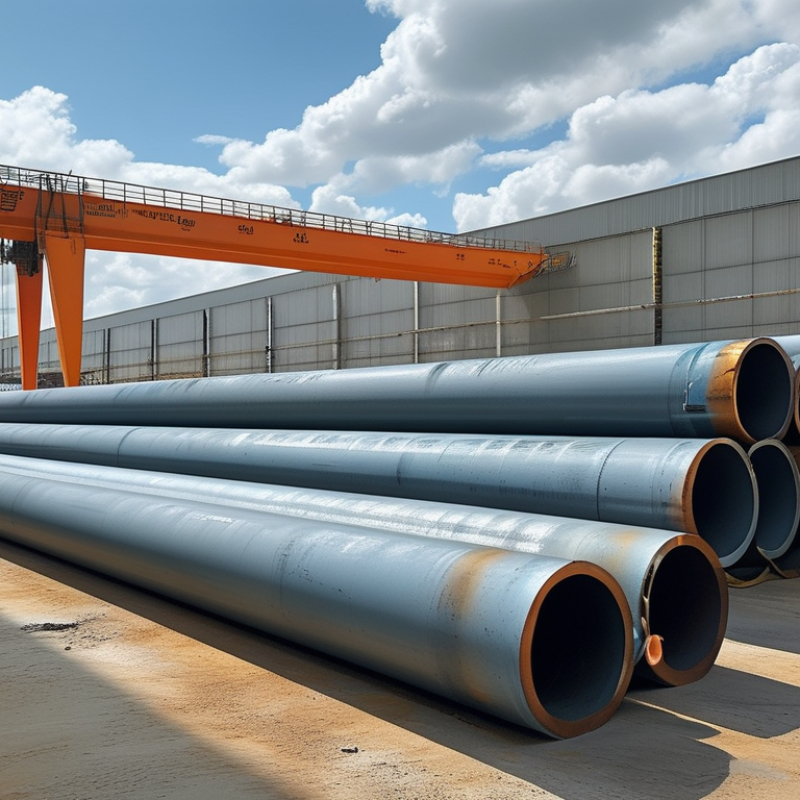
Advantages of Using Aluminum Tube Steel in Construction and Manufacturing
Aluminum tube steel has gained popularity in construction and manufacturing. Its lightweight nature offers significant advantages. This material is easier to handle and transport than traditional steel. Workers often find it less tiring to lift and move, increasing productivity. Additionally, the reduced weight does not compromise strength. Aluminum tube steel remains strong enough for various structural applications.
Corrosion resistance is another key benefit. Unlike steel, aluminum does not rust easily. This quality extends the lifespan of products made with aluminum tube steel. In harsh environments, using this material can minimize maintenance costs. However, it is essential to note that aluminum can be more susceptible to scratches. Proper handling is necessary to avoid damage during installation.
Cost considerations are also important. While aluminum tube steel can initially seem expensive, its long-term benefits often outweigh the costs. The combination of durability and lower maintenance needs can lead to savings over time. Project managers should weigh these factors carefully. Mistakes can lead to unexpected expenses or delays. Evaluating the specific needs of the project is crucial for making informed decisions.
Comparative Analysis: Aluminum Tube Steel vs. Traditional Steel Materials
Aluminum tube steel offers distinct advantages over traditional steel materials. According to a study by the Aluminum Association, aluminum weighs about one-third of steel. This reduction in weight can significantly lower transportation costs. Furthermore, aluminum exhibits excellent corrosion resistance. A report from the U.S. Department of Transportation found that structures using aluminum can last up to two times longer than their steel counterparts in corrosive environments.
Cost is another important factor. While initial costs for aluminum may be higher, lifecycle costs are often lower. The longer lifespan and reduced maintenance needs can make aluminum tube steel a more economical choice. Additionally, aluminum can be easily recycled. The Recycling Partnership states that it retains 95% of its original value when recycled, making it an eco-friendly option.
However, it is essential to consider the limitations. Aluminum tube steel may not withstand extreme loads as well as traditional steel. It often requires careful engineering to manage these potential weaknesses. Projects with high stress demands might still lean toward traditional steel, despite the clear benefits of aluminum in other scenarios. Each project requires a thoughtful analysis of material properties to ensure optimal outcomes.
Industry Applications: Where Aluminum Tube Steel Excels and Why
Aluminum tube steel is increasingly becoming a favored choice across various industries. Its combination of lightweight properties and high strength makes it ideal for structural applications. For example, in the construction sector, aluminum tube steel can support large spans without excessive weight. This benefit helps reduce the overall load on the foundational elements, leading to increased efficiency.
Automotive and aerospace industries also greatly benefit from aluminum tube steel. Its resistance to corrosion ensures longevity, even in harsh environments. This is critical for components where durability is paramount. However, some engineers still hesitate to fully embrace aluminum due to its relatively higher cost compared to traditional steel. It’s essential to weigh the long-term benefits against the initial investment.
In furniture design, aluminum tube steel offers versatility. Designers appreciate its sleek appearance, which can enhance aesthetic appeal. Despite its advantages, some may overlook its potential for customization. The ability to easily fabricate aluminum tube steel allows for innovative designs that are not only functional but also visually striking. Further exploration of this material can lead to breakthroughs in various creative applications.
Why Choose Aluminum Tube Steel for Your Next Project?
| Application |
Key Benefits |
Industry Use |
Strength-to-Weight Ratio |
| Aerospace |
Lightweight, corrosion-resistant |
Aircraft frames, structural components |
Superior |
| Automotive |
Fuel efficiency, improved safety |
Chassis, body frames |
Excellent |
| Construction |
Durable, low maintenance |
Structural supports, facades |
High |
| Marine |
Corrosion-resistant, lightweight |
Boats, docks, fittings |
Optimal |
| Packaging |
Lightweight, recyclable |
Containers, frames |
Good |
Cost Efficiency and Sustainability of Aluminum Tube Steel in Projects
Aluminum tube steel is becoming a popular choice in various projects due to its cost efficiency and sustainability. It weighs less than traditional steel, resulting in lower transportation costs. This feature is especially beneficial for large projects where logistics can add significant expenses. Additionally, aluminum is recyclable. When a project concludes, materials can be repurposed, reducing waste. That helps in lowering the overall environmental impact.
When selecting aluminum for your project, consider its durability. Aluminum tube steel resists corrosion. This quality often extends the lifespan of the structure. It may require less maintenance compared to other materials. For projects with long-term goals, investing in aluminum can lead to savings down the road.
It’s important to plan properly. Assess the specific needs of your project. Think about the environmental benefits as well. Sometimes, the initial cost may seem high, but the return on investment can be worthwhile over time. Always evaluate both upfront costs and potential long-term savings.
Innovative Properties of Aluminum Tube Steel: Strength and Lightweight Benefits
Aluminum tube steel is increasingly popular in various projects due to its unique properties. Its lightweight nature is a significant advantage. Construction teams appreciate how easy it is to handle. This can lead to quicker assembly times and lower labor costs. The reduced weight also minimizes structural load, allowing for more design flexibility.
In addition to being lightweight, aluminum tube steel is exceptionally strong. It offers excellent tensile strength, which is critical in load-bearing applications. For instance, it can support substantial weights without bending or breaking. This combination of strength and lightness makes it ideal for industries like aerospace and automotive, where efficiency is paramount. Yet, some users may question the durability in extreme conditions. It is essential to evaluate the specific application needs.
There’s also the potential for surface corrosion in unprotected environments. While aluminum naturally forms a protective oxide layer, additional treatments may be necessary. These considerations are vital for ensuring long-term performance. Thus, while aluminum tube steel boasts impressive qualities, assessing its application context is crucial for optimal use.
Comparison of Aluminum Tube Steel Properties