Why Choose Aluminum Tube for Your Next Project?
When considering materials for your next project, aluminum tube stands out. With its lightweight properties, high strength, and resistance to corrosion, it is a versatile choice. Industry expert John Smith, a materials engineer with over 20 years of experience, emphasizes, "Aluminum tube combines durability with ease of fabrication, making it ideal for diverse applications."
In projects ranging from automotive to aerospace, aluminum tubes are increasingly favored. Their adaptability allows for design flexibility in the construction process. The sleek contours of aluminum tubes can lead to innovative design solutions. However, it is essential to reflect on the potential compromises when using this material. For instance, while they're incredibly durable, extensive exposure to certain chemicals can diminish their lifespan.
Choosing aluminum tube involves weighing both advantages and limitations. It's a material that often excels in performance but can be influenced by specific environmental factors. Ultimately, understanding these nuances helps ensure the right choice for any project.
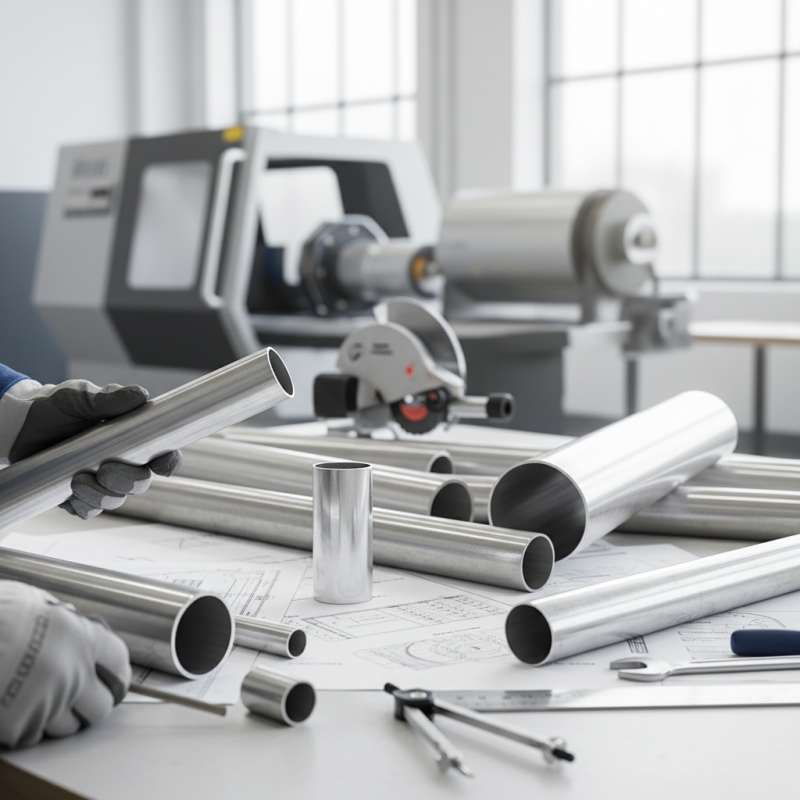
Benefits of Using Aluminum Tubes in Various Industries
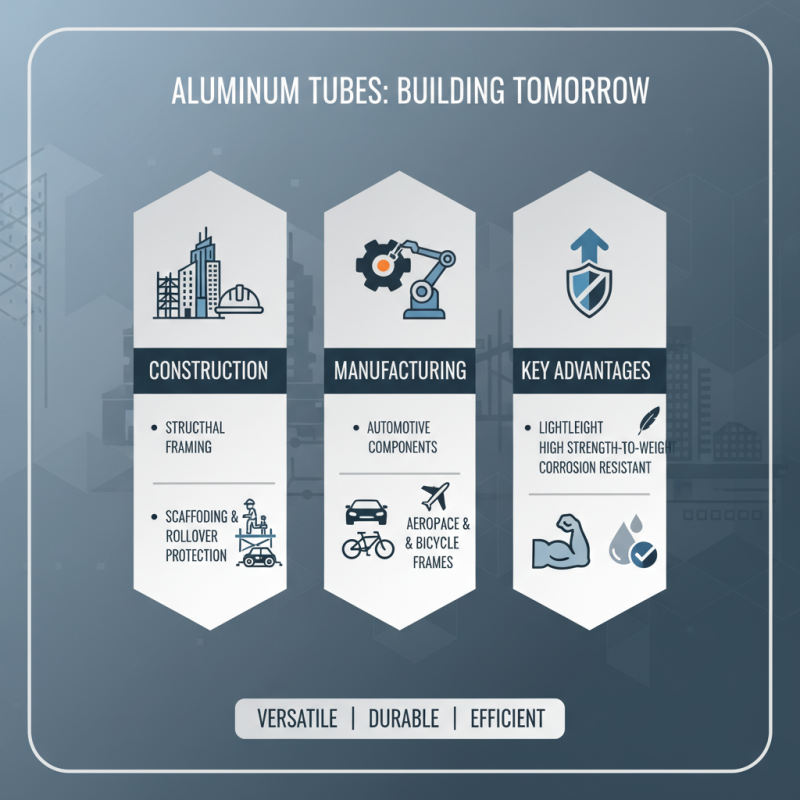
Aluminum tubes have gained popularity across various industries due to their unique properties.
Lightweight yet strong, they offer a perfect solution for aerospace applications, where every ounce counts.
According to a recent industry report, the aerospace sector is expected to grow by over 6% annually, driving demand for lightweight materials like aluminum.
In construction, aluminum tubes are essential for structural support. Their corrosion resistance ensures longevity, which is particularly important in harsh environments.
A study shows that structures using aluminum components can reduce maintenance costs by up to 30%.
This statistic highlights the economic benefits of choosing aluminum over traditional materials.
Tip: When selecting aluminum tubes, consider the specific alloy and temper. Different grades will impact strength and flexibility, which are crucial for your project's requirements.
In the automotive industry, aluminum tubes are used in engine components and chassis.
Their ability to withstand high temperatures makes them ideal for safety and efficiency.
However, sourcing high-quality aluminum is vital.
Poor quality can lead to failure, impacting both safety and performance.
Tip: Always consult industry experts when specifying aluminum materials. Their insights can prevent costly mistakes and ensure optimal outcomes.
Comparison of Aluminum Tubes to Other Materials
When considering materials for your next project, aluminum tubes stand out for several reasons. Compared to steel, aluminum is much lighter. This offers advantages in applications where weight reduction is crucial. For example, in aerospace and automotive industries, reducing weight can enhance fuel efficiency. Aluminum's natural resistance to corrosion also makes it more durable in outdoor environments than steel.
However, there are drawbacks to aluminum. While it’s strong, aluminum may not withstand as much load as steel. In structural applications, where strength is essential, steel often takes precedence. Moreover, aluminum can be more expensive than other materials like PVC. The initial costs may lead to hesitation, especially for budget-sensitive projects.
Other options, such as plastic tubes, are cheaper and lightweight but lack the strength and durability of aluminum. Plastic can become brittle in extreme temperatures. This makes aluminum a more versatile choice for a range of environments. Each material has its place, and understanding the specific needs of your project is critical. Would aluminum be the best option, or should you consider other materials?
Environmental Sustainability of Aluminum Tubes
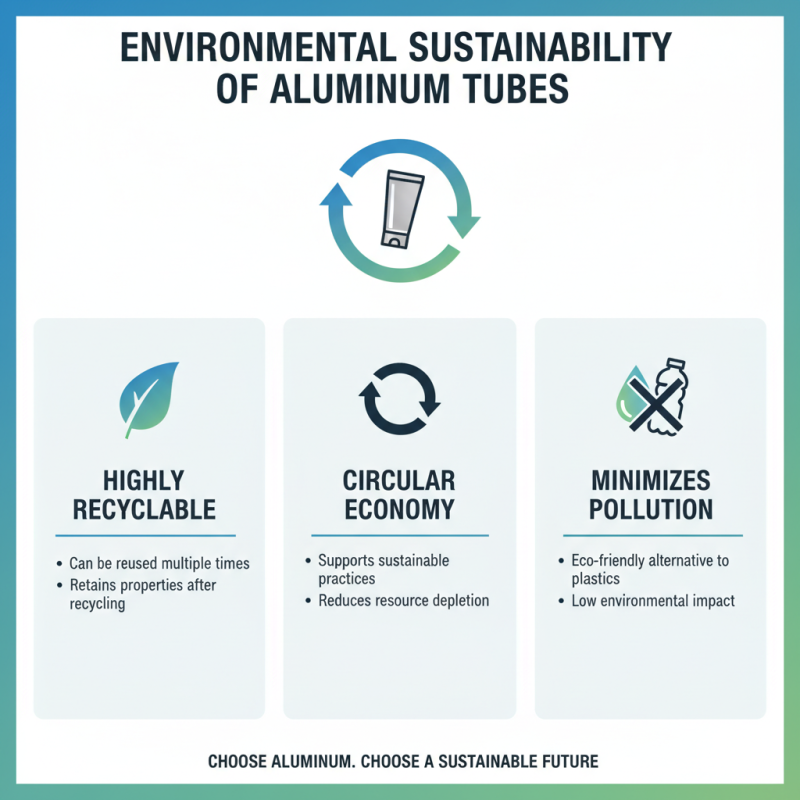
Aluminum tubes are becoming a preferred choice for many projects, particularly due to their environmental sustainability. Aluminum is highly recyclable. This material can be reused multiple times without losing its properties. Unlike plastics, which contribute to pollution, aluminum tubes minimize environmental impact. Choosing aluminum means supporting circular economy principles.
When incorporating aluminum in your projects, consider these tips. Ensure the aluminum you choose comes from responsible sources. This guarantees the material has been produced with lower carbon emissions. Also, always think about the end of the product's life. Design for disassembly allows for easier recycling later on.
Using aluminum tubes reduces waste. However, it's important to recognize the energy used in the production process. While aluminum is recyclable, the initial production can be energy-intensive. This underscores the need for effective energy management in manufacturing operations. By being conscious of these factors, you can make informed decisions for your projects.
Cost-Effectiveness of Aluminum Tubes for Long-Term Projects
When considering materials for long-term projects, aluminum tubes stand out for their cost-effectiveness. According to the Aluminum Association, aluminum has a high strength-to-weight ratio and lower density compared to steel. This property can reduce transportation and installation costs. For instance, lighter aluminum tubes can lower fuel consumption during shipping, leading to substantial savings over time.
In a recent study published by the International Aluminum Institute, it was revealed that using aluminum can lead to a lifecycle cost reduction of up to 30%. This reduction comes from lower maintenance needs and impressive durability. Aluminum's resistance to corrosion means that projects benefit from longer service life with minimal upkeep. However, the initial investment can sometimes deter decision-makers, which is a recurring theme in industry reports.
A fundamental consideration is the total cost of ownership. While the initial costs of aluminum tubes may not always be the cheapest, their longevity and low maintenance requirements often result in better financial outcomes. Many projects report hidden costs that arise from frequent repairs or replacements when cheaper materials are used. Thus, assessing lifetime value proves essential for making informed decisions in construction and manufacturing sectors.
Why Choose Aluminum Tube for Your Next Project? - Cost-Effectiveness of Aluminum Tubes for Long-Term Projects
| Dimension |
Weight (kg/m) |
Cost ($/m) |
Strength (MPa) |
Corrosion Resistance |
| 25 mm x 1.5 mm |
0.396 |
7.50 |
200 |
High |
| 30 mm x 2 mm |
0.582 |
9.80 |
210 |
Very High |
| 40 mm x 2.5 mm |
0.761 |
12.20 |
220 |
High |
| 50 mm x 3 mm |
0.900 |
15.00 |
230 |
Very High |