"*" indicates required fields
China remains a critical sourcing base for global steel and aluminum buyers, supported by extensive production capacity, integrated supply chains, and deep port infrastructure. World Steel Association data shows that China produced approximately 1.005 billion tonnes of crude steel in 2024, representing more than half of global output. The International Aluminium Institute reported global primary aluminum production of about 72.9 million tonnes in 2024, with China contributing the largest share. These figures explain why Chinese mills, smelters, processors, and trading companies appear on many international procurement lists.
However, production volume alone does not identify the best supplier. Buyers must examine mill certifications, export experience, product tolerances, testing records, and delivery performance. A reliable supplier should provide traceable heat numbers, inspection documents, and clear information about alloy grades or steel standards. Details matter. A coil’s surface finish, a plate’s thickness tolerance, or a bundle’s moisture protection can affect an entire project.
This guide reviews China’s leading steel and aluminum suppliers from a practical purchasing perspective. It considers capacity, product range, quality systems, logistics, and communication reliability. Data from industry reports offers useful scale, but definitions and reporting periods are not always perfectly comparable. That limitation deserves attention. A famous producer may still be unsuitable for a small order, unusual specification, or urgent shipment. The strongest choice depends on verified performance, not a glossy profile. Dramatic savings can also hide inspection, packaging, or after-sales risks. Careful supplier evaluation remains essential for global buyers seeking stable, compliant, and commercially sensible procurement.
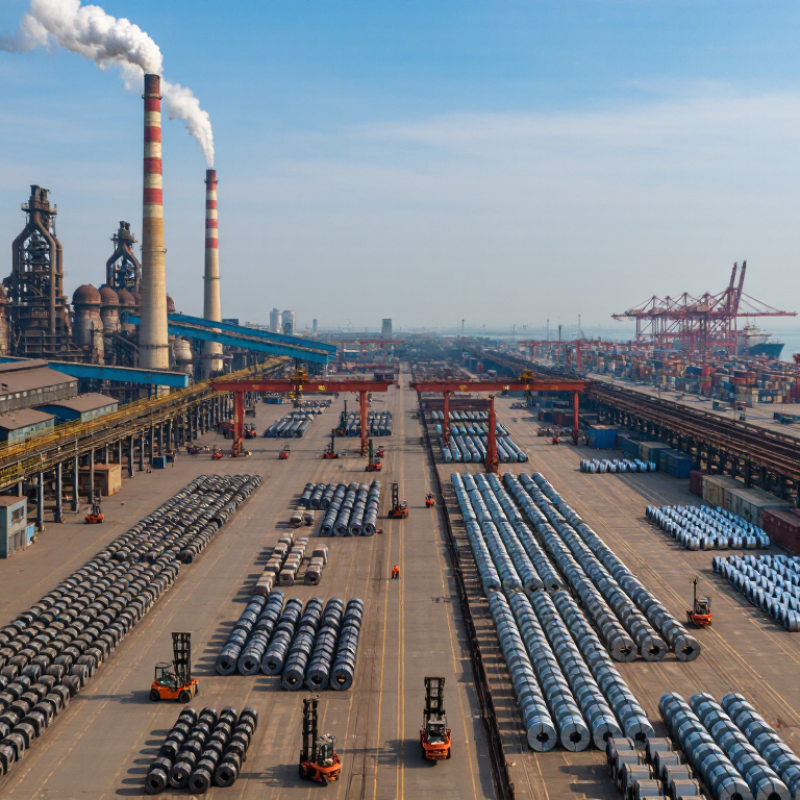
China remains a central force in the global steel and aluminum supply chain. Its large production base supports construction, automotive, machinery, energy, and infrastructure projects worldwide. Integrated mills can provide products ranging from hot-rolled coils to aluminum sheets, billets, and extrusions.
For global buyers, supplier evaluation should extend beyond price. Experienced purchasing teams review mill certificates, chemical composition, mechanical properties, surface condition, and dimensional tolerances. Independent inspections can verify bundle weights and loading procedures before shipment. Port location also affects delivery time, freight costs, and exposure to seasonal congestion.
Traceability matters.
Reliable suppliers should explain production routes, quality controls, packaging methods, and export documentation clearly. Buyers should also confirm applicable standards, import duties, sanctions screening, and environmental requirements in the destination market. China’s supply chain is efficient, but it is not flawless. Energy intensity, changing freight rates, and occasional communication gaps can complicate procurement. A low quotation may hide longer lead times or weaker after-sales support. Our practical view is simple: compare verified evidence, not polished promises. No supplier profile is complete without checking recent production records, inspection results, and references from comparable orders. One overlooked detail, such as moisture entering poorly protected coils, can create costly problems after arrival.
| Material / Supply-Chain Area | Data Dimension | China | Global Reference | China’s Approximate Share | Relevance for Global Buyers | Reference Basis |
|---|---|---|---|---|---|---|
| Crude Steel | Annual production | 1,019.1 million tonnes | Approximately 1,888.2 million tonnes worldwide | About 54.0% | Provides the world’s largest steelmaking base and supports large-volume procurement across construction, machinery, energy and transportation sectors. | World Steel Association, 2023 crude steel production statistics |
| Finished Steel Products | Exports of steel products | Approximately 90.3 million tonnes | China was one of the largest exporting origins for finished and semi-finished steel products | Not applicable | Offers broad export availability, including flat products, long products, wire rod, coated products and fabricated steel materials. | China customs trade statistics, 2023 |
| Finished Steel Products | Imports of steel products | Approximately 7.6 million tonnes | China remained substantially more export-oriented than import-dependent in finished steel | Net exporter | Indicates a large domestic production surplus capable of serving overseas buyers, subject to product specifications and trade measures. | China customs trade statistics, 2023 |
| Primary Aluminum | Annual production | Approximately 41.5 million tonnes | Approximately 70.6 million tonnes worldwide | About 58.8% | Creates significant availability of primary aluminum for downstream rolling, extrusion, casting and manufacturing supply chains. | International Aluminium Institute, 2023 production data |
| Bauxite | Mine production | Approximately 93 million tonnes | Approximately 400 million tonnes worldwide | About 23% | Supports part of China’s alumina and aluminum ecosystem, while imported bauxite remains important for balancing domestic resources. | U.S. Geological Survey, Mineral Commodity Summaries, 2024 edition using 2023 estimates |
| Alumina | Refinery output | Approximately 82.2 million tonnes | China represented the largest national alumina-producing base | About 58% of global output | Provides an integrated intermediate-material base between bauxite supply and primary aluminum smelting. | International Aluminium Institute and industry production statistics, 2023 |
| Energy and Processing | Supply-chain characteristic | Large integrated domestic network | Steel and aluminum production are concentrated in major industrial regions worldwide | High concentration in China | Buyers can source raw materials, semi-finished products and fabricated components through a comparatively dense industrial ecosystem. | Industry structure reflected in national production and trade statistics |
| Export Logistics | Typical shipment modes | Container, breakbulk and bulk shipment | International metals trade uses multimodal logistics | Not applicable | Global buyers should evaluate port availability, inland transport, packaging, inspection, insurance, duties and destination-country regulations. | Standard international metals-trade and logistics practices |
| Procurement Considerations | Key technical variables | Grade, dimensions, surface, tolerance and certification | Requirements vary by application and destination market | Not applicable | Purchase decisions should compare chemical composition, mechanical properties, applicable standards, production route, inspection requirements and delivery terms. | Common steel and aluminum purchasing specifications used in international trade |
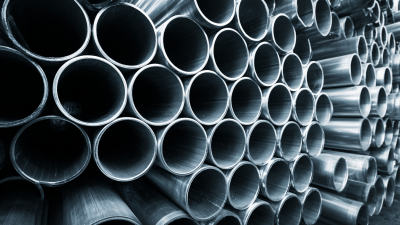
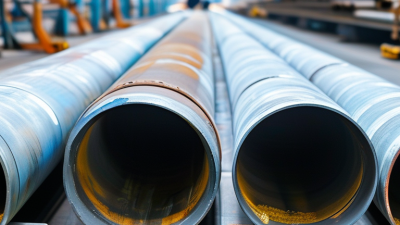
Chinese steel and aluminum suppliers serve global buyers with a broad range of industrial products. Common steel offerings include hot-rolled coils, cold-rolled sheets, galvanized steel, stainless steel, and welded or seamless pipes. These materials support construction, machinery, storage tanks, automotive parts, and energy projects.
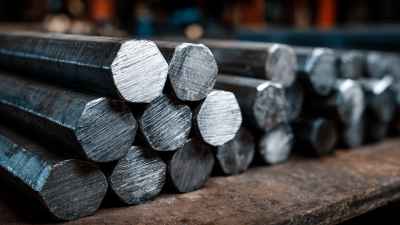
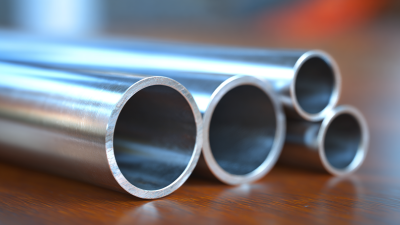
Aluminum suppliers commonly provide sheets, coils, plates, foil, bars, tubes, and extruded profiles. Buyers can request alloys such as 5052, 6061, or 6063, depending on strength, corrosion resistance, and forming needs. Surface finishes may include mill finish, anodizing, brushing, or protective film. Dimensions matter. A small thickness variation can affect bending, welding, and final assembly.
Experienced buyers usually confirm chemical composition, tensile strength, hardness, tolerance, and surface condition before ordering. Inspection may include production records, sample testing, dimensional checks, and independent verification. Export packaging also deserves attention. Steel coils need firm strapping and moisture protection, while aluminum sheets require careful corner protection.
Clear specifications reduce costly misunderstandings. Still, no supplier is perfect. Production schedules can shift, and inspection results may reveal problems late. I have found that written tolerance limits and retained samples make discussions more practical. Buyers should also review mill certificates, packing photographs, and loading conditions before shipment. A low price can look attractive, but inconsistent quality may create higher processing costs. Reliable cooperation depends on repeatable production, transparent documents, and timely communication.
China Top Steel and Aluminum Suppliers for Global Buyers
How to Evaluate China’s Metal Suppliers
Choosing a Chinese steel or aluminum supplier requires more than comparing quotations. Check the company’s production capacity, export experience, and product range. Ask for recent mill test certificates, chemical analysis, and mechanical test results. Verify whether the documents match the exact grade, thickness, and heat number. Small details matter.
Request samples before placing a large order. Measure thickness at several points, inspect surface marks, and compare the material with your drawings. For coils, check edge condition and winding quality. For profiles, review dimensional tolerance and straightness. A reliable supplier should explain its inspection process clearly. Vague answers are warning signs.
Traceability is equally important. Ask how batches are labeled from melting to shipment. Confirm packaging methods, moisture protection, loading photos, and delivery terms. Review the contract carefully, including tolerance limits, claims procedures, and payment stages. Independent inspection can reduce risk, especially for a first purchase. It adds cost, but failed material costs more.
I have seen buyers focus too heavily on the lowest price. That approach often overlooks inconsistent quality or delayed production. Still, certificates alone do not prove performance. Visit the facility when possible, or use a qualified local auditor. Allow time for corrections. Even a careful supplier may make an occasional mistake, so communication records and measurable acceptance criteria remain essential.
Production scale can help buyers assess a supplier’s potential capacity and access to upstream resources. It should be reviewed together with certifications, product quality, export experience, delivery reliability, traceability, and total landed cost.
Unit: Million metric tonnes. The figures show China’s annual crude steel production and primary aluminum production from 2019 to 2023.
Sources: World Steel Association, World Steel in Figures; International Aluminium Institute, primary aluminum production statistics.
China’s leading steel and aluminum suppliers serve buyers across construction, machinery, energy, and transport. Quality begins with traceability, not attractive pricing. Each coil, sheet, or profile should link to a heat number, production date, chemical analysis, and mechanical test results. The World Steel Association reported global crude steel production of about 1.89 billion tonnes in 2023. That scale makes documented control essential.
Ask for ISO 9001 certification, but verify its scope and validity. A certificate alone is not proof. Request mill test certificates under EN 10204 3.1, with yield strength, tensile strength, elongation, and alloy composition clearly recorded.
For aluminum, temper designations and dimensional tolerances require equal attention. Independent inspections can confirm thickness, surface condition, packing, and marking before shipment. Small details matter.
Export compliance also depends on destination rules. Buyers should check HS classification, origin documents, customs declarations, sanctions screening, and product-specific requirements. REACH and RoHS evidence may be necessary for certain applications. The OECD’s 2024 steel outlook continued to highlight global overcapacity concerns, so supplier due diligence deserves more than a questionnaire.
Review production records, audit findings, and corrective actions. Some suppliers present impressive paperwork but weak batch-level evidence. That gap needs reflection. Reliable purchasing combines standards, physical inspection, and clear contract terms for nonconforming goods.
China’s leading steel and aluminum suppliers serve global buyers through mills, processors, and export traders. Supplier selection should begin with verified production capacity, material certificates, and recent inspection records. Ask for heat numbers, chemical composition, mechanical test results, and photos of bundled cargo. Small gaps matter.
Shipping terms can change the real purchase price. Compare FOB, CFR, and CIF offers with the same specifications and delivery port. Include ocean freight, insurance, customs duties, port handling, and inland transport. Confirm the loading port, estimated transit time, and container or bulk-vessel plan.
A low quote may hide longer lead times or weaker packing. Use moisture-resistant wrapping, edge protection, and clear bundle markings for long voyages.
Pricing should reflect grade, dimensions, tolerance, surface finish, order volume, and payment terms. Request a firm validity period because alloy costs and freight rates can move quickly. Use staged payments linked to production, inspection, and shipping documents. Independent pre-shipment inspection is valuable, even when the supplier appears experienced. Keep records.
Risk management also requires checking sanctions screening, export documentation, product standards, and destination-country requirements. Confirm whether certificates match the actual batch, not an earlier shipment. Consider currency exposure and set a review point before final payment. Delays still happen. A practical contingency includes buffer stock, alternative ports, and a second qualified supplier. The process is not perfect; even careful buyers can miss a small tolerance issue. Clear contracts, measurable acceptance criteria, and fast communication make that mistake easier to contain.
"*" indicates required fields