Why Choose Shuttle Automation for Your Warehouse?
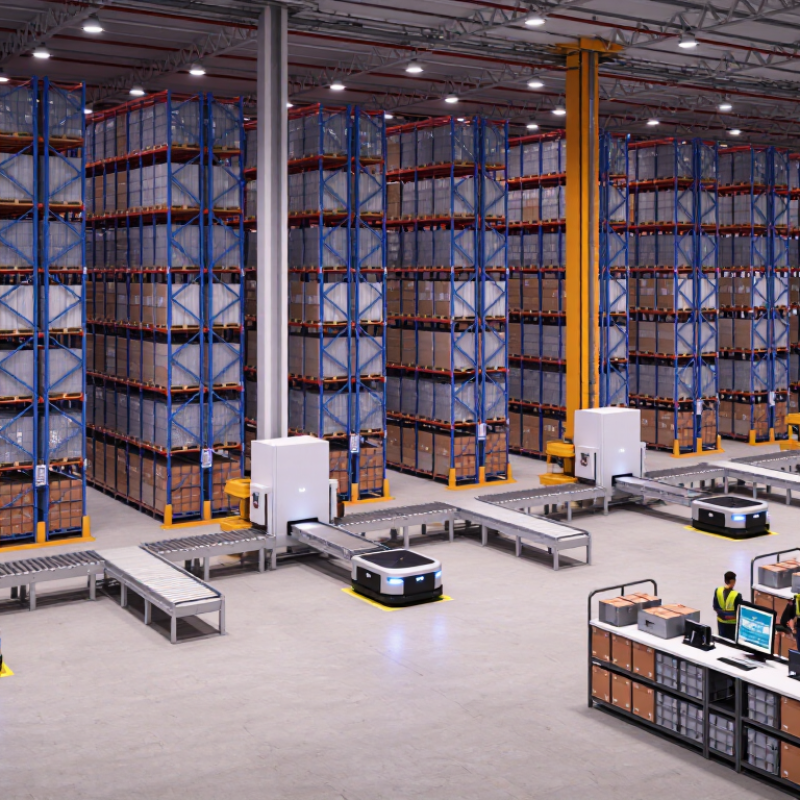
Warehouse operations are under pressure to store more inventory, respond faster, and use floor space carefully. Shuttle Automation can help by moving totes or cartons through dense storage lanes and delivering them to picking or replenishment points. In a well-designed system, workers spend less time walking between shelves. The benefit is practical: fewer unnecessary trips and more consistent access to stored goods.
The equipment usually works alongside lifts, conveyors, warehouse control software, and an inventory management system. Together, these components route loads and coordinate movements. A typical installation may include shuttle cars travelling along rack levels, with lifts transferring goods between levels. But performance depends on the details. SKU mix, order patterns, load dimensions, and peak demand all affect system design. A fast shuttle cannot fix poor inventory data.
The decision deserves careful evaluation. Businesses should compare expected throughput with real order histories, examine maintenance access, and plan for software integration and staff training. Site visits and clear service agreements can reveal practical issues before installation. Automation is not a cure-all. Forecasts can miss. A layout that suits one warehouse may not suit another, especially when product ranges or order profiles change. Shuttle Automation is most useful when it solves a defined operational problem and its costs, capacity, and limitations are measured honestly. That assessment may take longer, but it is worth doing.
Warehouse Shuttle Systems: Definition, Types, and Core Components
Why Choose Shuttle Automation for Your Warehouse?
Warehouse Shuttle Systems: Definition, Types, and Core Components
A warehouse shuttle system uses powered vehicles to move pallets or totes along storage lanes. It can reduce forklift travel inside dense racking and support faster goods handling. A pallet shuttle carries loads through deep pallet channels, while a tote shuttle moves smaller containers between storage and picking areas. Some systems use shuttles on one level; others use lifts to serve multiple levels. The right design depends on load size, order patterns, aisle space, and required throughput.
The main components are shuttle vehicles, guide rails, racking, transfer points, lifts, sensors, and control software. Vehicles travel along the rails and place or retrieve loads at assigned positions. Sensors help detect obstacles and confirm load positions. A warehouse control system coordinates missions with conveyors or other material-handling equipment. Charging stations also matter, especially during long operating shifts. Small details count.
For example, a pallet shuttle may move a load several positions into a channel, leaving forklifts to work at the aisle face. That can improve space use, but it does not automatically solve poor inventory flow. Product dimensions must suit the lanes, and replenishment rules need careful planning. Not every site benefits. Dust, uneven pallets, or frequent SKU changes can complicate operation. A realistic assessment should compare expected throughput with maintenance needs and the warehouse’s actual order profile. One overlooked constraint can reshape the whole layout.
How Shuttle AS/RS Works: Storage, Retrieval, and Control Sequence
A shuttle AS/RS coordinates storage and retrieval through a linked sequence of software decisions and physical movements. A warehouse management system releases an order; a warehouse control system assigns a tote, aisle, and shuttle. Conveyors or lifts move the tote to the correct level. The shuttle travels along its rail, collects the load, and returns it to a transfer point. Sensors confirm position and load status at each handoff. Small errors matter.
During retrieval, the control system prioritizes requested goods and routes totes toward picking or packing stations. It must also manage traffic, battery status, and temporary blockages. A skewed carton or a tote that fails to transfer can interrupt an otherwise smooth sequence. Operators need clear alerts and a safe way to clear exceptions. Simulation helps, but real shifts reveal details that models miss.
The investment case should be measured against actual order profiles, space limits, and labor needs. MHI and Deloitte’s 2024 Annual Industry Report found that 55% of surveyed supply-chain leaders planned to increase technology investment. That broad figure signals interest, not proof that shuttle automation fits every site. A practical assessment should test throughput at peak periods, recovery time after a fault, and the effect of changing SKU mixes. The control sequence is only as dependable as its weakest handoff.
Why Choose Shuttle Automation for Your Warehouse?
How Shuttle AS/RS Works: Storage, Retrieval, and Control Sequence
A typical retrieval begins when warehouse control software issues a task, then proceeds through shuttle assignment, travel, load transfer, and inventory confirmation. Vertical transfer may be required depending on the system layout. The chart shows sequence order, not measured cycle time or throughput; actual workflows vary by installation.
Market Driver: U.S. E-Commerce Reached $1.19 Trillion in 2024 (Census)
U.S. e-commerce reached $1.19 trillion in 2024, according to the U.S. Census Bureau’s annual retail estimates. Sales grew 8.1% from 2023 and represented 16.1% of total retail sales. That growth brings a practical warehouse challenge: more orders, tighter delivery windows, and frequent shifts in product mix. A 2024 MHI Annual Industry Report found that 55% of surveyed supply-chain professionals planned to increase investment in innovation and technology. The pressure is real.
Shuttle automation can move totes or cartons between storage and picking stations, reducing long walks through aisles. During a busy shift, that could mean steadier replenishment and quicker access to fast-moving items. But growth alone does not justify a system. A shuttle may be the wrong fit if order profiles vary widely, space is limited, or peak demand is brief. The numbers need a closer look.
Tips: Compare hourly order peaks with current pick rates before sizing equipment. Model SKU changes and maintenance downtime, too. An honest assessment may show that a smaller upgrade—or no shuttle yet—makes more sense. That is worth discovering early.
Industry Adoption: 55% Plan Robotics and Automation Adoption (MHI, 2023)
Warehouse automation is moving from experimentation toward practical investment. MHI’s 2023 industry report found that 55% of respondents planned to adopt robotics and automation. That figure signals growing interest, but it does not mean every warehouse needs the same system. Shuttle automation can help facilities move totes or cartons through dense storage lanes while reducing some repetitive travel.
The gains depend on the work. A shuttle system may suit operations with many small orders, frequent picks, and limited floor space. It can bring inventory closer to picking stations, where workers scan labels and place items into order bins. Small details matter. Carton sizes, order peaks, and replenishment timing all affect performance. Before implementation, compare peak-hour demand with the system’s expected capacity. Also check how it will connect with existing software and conveyor equipment. Automation is not maintenance-free; sensors need cleaning, and blocked lanes can slow movement. Forecasts are not guarantees. A poorly matched system may add complexity instead of saving time, so pilot tests should measure actual throughput, error rates, and downtime.
Why Choose Shuttle Automation for Your Warehouse? - Industry Adoption: 55% Plan Robotics and Automation Adoption (MHI, 2023)
| Dimension | Data or operational fact | Relevance to shuttle automation |
| Industry adoption intent | 55% of surveyed supply-chain professionals planned to adopt robotics and automation, according to MHI’s 2023 industry report. | Shuttle systems are one warehouse automation option for organizations evaluating automated storage and retrieval. |
| Storage and retrieval | A shuttle moves loads within storage lanes; system designs can handle pallets, cases, or totes, depending on the equipment and layout. | Automated movement into and out of storage locations can reduce reliance on manual vehicle travel for those movements. |
| Storage layout | Shuttle systems operate in purpose-designed rack structures and can be configured for different load types and storage requirements. | They may suit warehouses seeking to use vertical space or manage high volumes of stored inventory; results depend on facility design. |
| Material flow | Shuttle equipment can be integrated with conveyors, lifts, warehouse control software, and warehouse management systems. | Integration can connect storage and retrieval with other warehouse processes, subject to system compatibility and implementation. |
| Best-fit assessment | Suitability depends on factors such as SKU profile, inventory turnover, load dimensions, order patterns, available space, and required throughput. | A site-specific analysis helps determine whether shuttle automation fits operational needs and delivers a viable business case. |
Source: MHI, 2023 industry report. The 55% figure refers to reported plans for robotics and automation adoption; shuttle automation is one possible technology within that category.
