"*" indicates required fields
Why Choose a Recycling Baler Machine for Your Business?
A Recycling Baler Machine can turn loose cardboard, plastic film, and paper into dense, manageable bales. That simple change can reshape daily operations. Instead of overflowing bins, workers handle compact blocks with predictable sizes. Floors look clearer. Loading areas become easier to control.
“Good baling is not only about pressure; it is about consistent material preparation,” says Martin Keller, a recycling-equipment engineer with more than twenty years of plant-floor experience. His point matters. A powerful machine cannot correct wet cardboard, excessive contamination, or poor sorting habits. The best results begin before materials enter the chamber.
A Recycling Baler Machine may reduce storage demands and lower collection frequency. It can also improve material value when buyers prefer clean, tightly formed bales. However, savings are not automatic. Businesses should compare throughput, bale weight, electricity use, maintenance access, and operator training. A small warehouse may need a vertical baler, while a busy distribution center may require a high-capacity horizontal model.
The details are practical. Check the tying system. Inspect the ram guides. Measure the doorway before delivery. A machine that cannot fit the workflow becomes an expensive obstacle.
Not every business needs one.
There is also room for honest doubt. Baling equipment requires investment, floor space, and disciplined upkeep. Neglected blades, sensors, or hydraulic components can interrupt production. Yet, with proper assessment and documented maintenance, the right Recycling Baler Machine can support cleaner operations, safer handling, and more dependable recycling revenue.
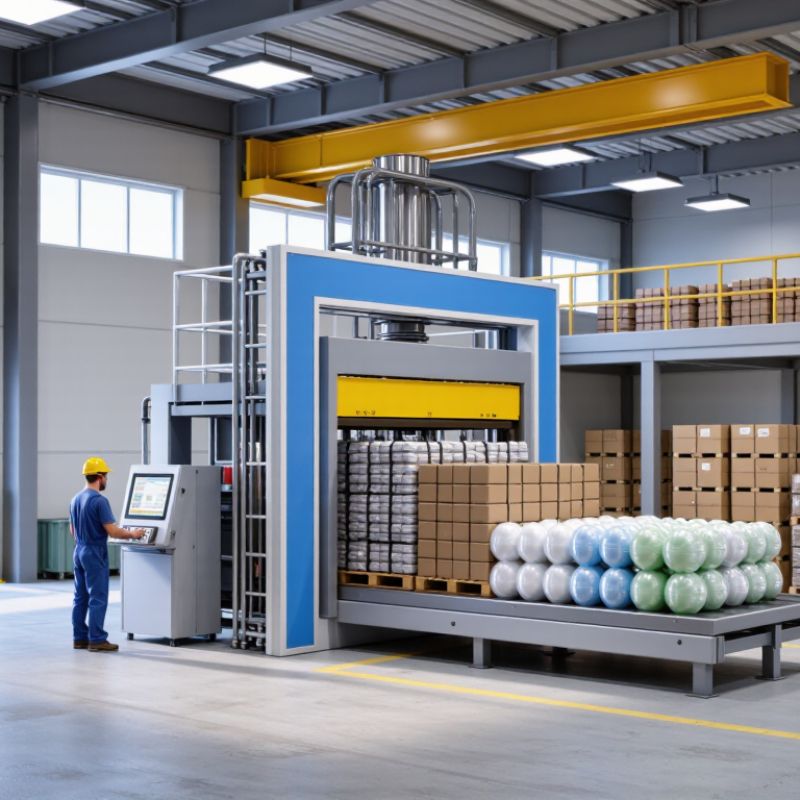
A recycling baler machine compresses loose recyclable materials into dense, tied bundles. It uses a hydraulic ram inside a strong chamber. The ram presses cardboard, paper, plastic film, or aluminum cans against a fixed wall. Once the material reaches the required density, operators secure the bale with wire or approved strapping.
The machine changes messy waste into manageable units. A warehouse may feed flattened cartons through a loading door. A retail site may process stretch film separately. Different materials need different pressure settings. Too little pressure creates unstable bales. Too much pressure can damage the machine or create unsafe handling conditions. Moisture also matters, especially when cardboard is stored outdoors.
In daily use, trained operators inspect the chamber before loading. They remove trapped objects and keep hands away from moving parts. Sensors, guards, and emergency stops require regular checks. Bale weight should be recorded, not guessed. This helps managers compare storage space, transport efficiency, and collection frequency.
Not magic.
A baler does not improve contaminated material. Food residue, loose liquids, or mixed waste can reduce bale quality. Some facilities also need sorting equipment before compression. The right machine depends on material type, daily volume, available floor space, and power supply. A small operation may prefer compact vertical equipment, while a high-volume facility may need a horizontal system. These choices deserve measurement first, because an impressive machine can still be poorly matched to the workflow.
A recycling baler machine compresses loose materials into dense, manageable bales. Operators commonly load cardboard, paper, plastic film, or similar recyclable materials into a chamber. A hydraulic ram then applies controlled pressure. The material collapses against the chamber walls and forms a compact block. When pressure is released, the bale is tied with wire or approved strapping, then removed for storage or transport.
In daily operations, the process begins with sorting. Clean, compatible material produces more stable bales. An operator checks the chamber, closes the safety door, and selects a suitable cycle. Pressure, bale size, and cycle time depend on the material and machine design. Good training matters. A rushed loading pattern can create uneven bales, while overfilling may strain components. I have found that simple floor markings and routine inspections prevent many avoidable errors.
The machine can reduce storage space and handling effort, but it is not maintenance-free. Staff should inspect hydraulic hoses, guards, controls, and tie points before use. Dust and loose fibers need regular removal. Inspection records make problems easier to trace. Some facilities weigh sample bales to monitor consistency. This helps, but weight alone does not prove quality. Moisture, contamination, and weak binding can still cause rejection. Operators should follow the equipment manual and local workplace safety requirements. Small details matter.
Why Choose a Recycling Baler Machine for Your Business?
Which Materials Can Be Processed in a Baler?
A recycling baler can compress many clean, recyclable materials into stable, stackable bales. Common examples include cardboard boxes, office paper, newspapers, plastic film, PET bottles, aluminum cans, and selected textile waste. Each material behaves differently under pressure. Cardboard usually forms firm bales quickly, while plastic film may need careful feeding to prevent wrapping around internal parts. From practical use, sorting materials before baling improves bale quality and reduces machine stoppages.
Moisture matters. Wet cardboard becomes heavy and weak, creating unstable bales. Mixed materials can also lower resale value and complicate handling. A suitable baler should match your daily volume, material type, and available floor space. Check chamber size, pressing force, safety controls, and bale weight before purchasing. Small businesses often choose compact equipment, but this can become limiting when volumes grow. I have seen capacity estimates fail when seasonal packaging waste was ignored.
Tips: Keep cardboard dry and remove loose contaminants. Feed similar materials together. Do not force oversized items into the chamber. Inspect wire, straps, and pressure points regularly. Record bale weights for several weeks. This simple data can reveal whether the selected machine is truly adequate.
| Material | Common Business Sources | Baler Suitability | Indicative Bale Density (kg/m³) | Main Benefits of Baling | Important Handling Considerations |
|---|---|---|---|---|---|
| Corrugated Cardboard (OCC) | Warehouses, retailers, manufacturers, distribution centers | Excellent | 400–650 | Reduces storage volume, lowers transport frequency, and improves material handling | Keep cardboard reasonably dry; remove excessive food contamination and non-paper items |
| Mixed Office Paper | Offices, schools, service centers, print rooms | Excellent | 500–700 | Creates compact, stackable bales and simplifies collection by recycling contractors | Separate confidential documents when required; avoid wet paper and large amounts of plastic |
| Newspapers and Magazines | Publishers, retail stores, libraries, collection facilities | Excellent | 450–650 | Improves loading efficiency and reduces the floor area required for loose paper | Maintain a consistent paper stream; remove plastic wrapping, metal inserts, and other contaminants |
| PET Bottles | Beverage facilities, hospitality venues, supermarkets, event sites | Very Good | 150–350 | Compresses high-volume, low-density containers and reduces transport space | Drain residual liquids; perforation or pre-crushing may improve bale stability and density |
| HDPE Containers | Household-product manufacturers, retailers, distribution centers | Very Good | 250–450 | Reduces the volume of rigid plastic and supports more efficient material recovery | Sort by polymer type where required; empty containers and remove hazardous residues |
| Aluminum Cans | Beverage plants, restaurants, stadiums, recycling centers | Very Good | 400–700 | Produces dense, stable units that are easier to store and transport | Use equipment designed for metal packaging; control sharp edges and residual liquids |
| Stretch Film and Plastic Film | Warehouses, logistics operations, manufacturers, retailers | Good | 200–400 | Controls loose film, reduces housekeeping demands, and improves truck utilization | Use a film-capable baler; remove straps, labels, wet waste, and heavily contaminated film |
| Textiles and Used Clothing | Garment factories, donation centers, textile retailers, hotels | Good | 300–500 | Creates manageable bundles and reduces the volume of bulky textile materials | Keep materials dry; remove hazardous objects and sort by reuse or recycling requirements |
| Agricultural Plastic Film | Farms, nurseries, greenhouse operations, agricultural suppliers | Good, with Preparation | 200–350 | Makes bulky film easier to store, handle, and deliver to recycling facilities | Remove soil, stones, organic matter, irrigation components, and excessive moisture before baling |
| Mixed Rigid Plastics | Manufacturing plants, wholesalers, retailers, material recovery facilities | Good, Depending on Composition | 250–450 | Reduces storage volume and helps standardize outbound recycling loads | Confirm accepted materials with the recycler; exclude pressurized, hazardous, and heavily contaminated items |
Note: Bale density figures are indicative operating ranges. Actual results depend on material moisture, preparation, feed consistency, baler design, pressing force, bale dimensions, and operating settings. Always verify material compatibility and safety requirements before processing.
A recycling baler can turn loose cardboard, paper, and plastic film into compact, manageable bales. In a busy warehouse, this change frees floor space quickly. It also reduces scattered materials around loading areas. Staff spend less time carrying waste by hand. That saved time can support packing, receiving, or inventory work.
The main business benefit is better material handling. Compact bales usually require fewer collection trips and make storage more organized. Many businesses also gain clearer recycling records by weighing outgoing materials. A cleaner waste stream may improve the value of recyclable materials, depending on local buyers and material quality. However, a baler is not a magic fix. Poor sorting, overfilled chambers, or irregular maintenance can reduce performance. Actual savings may be smaller than early estimates.
Tips: Measure your weekly waste volume before choosing equipment. Check bale size, power needs, chamber access, and operator training requirements. Keep cardboard dry and remove unwanted materials. Inspect ties, safety switches, and hydraulic areas regularly. A short daily inspection can prevent longer downtime. It may seem minor, but this habit matters. Also, review labor hours after installation. The first month may feel efficient, yet the data could reveal unexpected bottlenecks.
Choosing the right baler machine starts with your material, not its advertised pressure. Cardboard, film, textiles, and metal require different chamber sizes, feeding methods, and compression forces. The U.S. Environmental Protection Agency reported 292.4 million tons of municipal solid waste in 2018, with a recycling rate of 32.1%. That volume shows why efficient handling matters, but higher pressure is not always better.
Measure your daily and peak material volume first. A small warehouse may need a vertical baler with a compact footprint and simple manual tying. A distribution center may require a horizontal, automatic model for continuous feeding. Check bale weight, storage height, loading access, power supply, noise, and operator training.
The Global E-waste Monitor 2024 recorded 62 million tonnes of electronic waste in 2022, yet only 22.3% was formally collected and recycled.
Mixed materials can create safety and maintenance problems, so never choose a baler before checking the waste stream.
A perfect machine does not exist. I would compare proven cycle times with real, wet, contaminated materials, not showroom samples. Ask for service response times, spare-parts availability, and documented safety controls. Energy use deserves attention too, although purchase price often dominates discussions. That can be a mistake. The Global Waste Management Outlook 2024 estimates municipal waste could reach 3.8 billion tonnes annually by 2050. Businesses should choose equipment that fits today’s workload while allowing measured growth, without paying for capacity that may remain unused.
"*" indicates required fields