What is a Variable Resistor and How Does it Work?
A Variable Resistor is a crucial component in electronic circuits. It allows for the adjustment of resistance, impacting how current flows. According to industry research by TechInsights, the variable resistor market is expected to grow at a CAGR of 5.4% from 2023 to 2028. This growth underlines the importance of variable resistors in modern technology.
Experts emphasize their role in fine-tuning devices. Dr. Alex Thompson, a renowned electrical engineer, states, "Variable resistors are essential for achieving precision in electronic applications." This precision is vital for manufacturers in fields like automotive and consumer electronics.
Yet, the design and functionality of variable resistors can present challenges. Users may overlook their importance until issues arise. Understanding how variable resistors work can lead to better performance in devices and prevent potential failures. Emphasizing their significance encourages deeper exploration into this essential component.
What is a Variable Resistor?
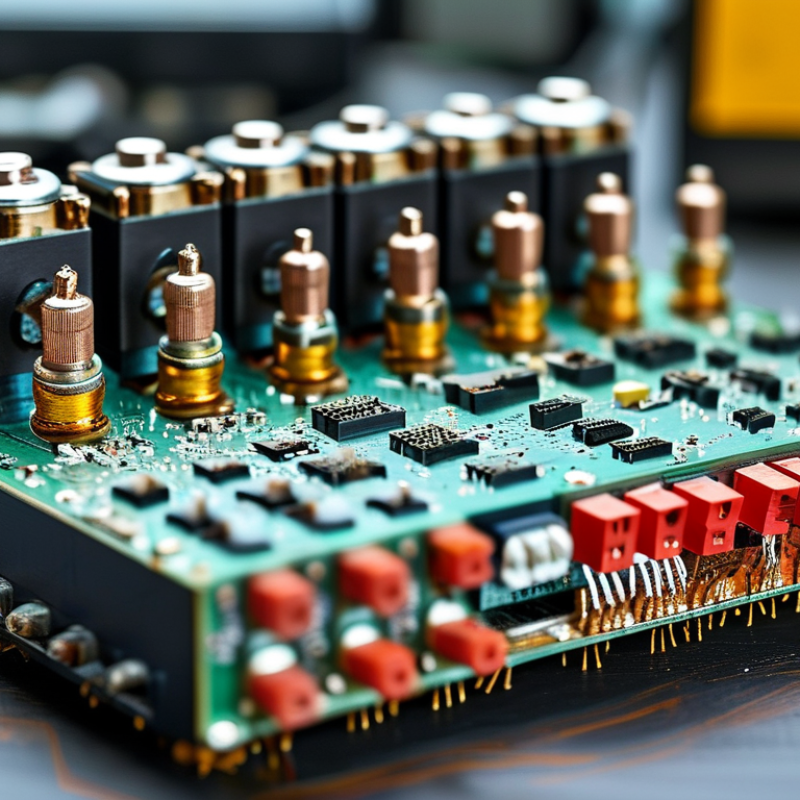
A variable resistor, often known as a potentiometer, is a crucial component in various electrical applications. This device allows users to adjust resistance within a circuit, thereby controlling current flow and voltage levels. It consists of a resistive element and a movable tap. When the tap's position changes, the resistance value varies, enabling fine-tuning of electrical signals.
According to a report by MarketsandMarkets, the global variable resistor market is projected to reach USD 3 billion by 2025, reflecting an annual growth rate of over 7%. This growth is driven by advancements in consumer electronics and automotive applications, where precise control over power and signal management is essential. For instance, in audio equipment, variable resistors are essential for volume control. However, issues with durability and accuracy can arise in extreme conditions, highlighting a need for continuous improvement in design.
Furthermore, variable resistors are often criticized for their potential to introduce noise into circuits. This can affect performance, especially in sensitive audio or instrumentation systems. Engineers must consider these factors when selecting components. There is always room for innovation that addresses these limitations, ensuring variable resistors remain reliable in diverse applications.
Types of Variable Resistors: A Comparative Overview
Variable resistors come in different types, each with unique features. Potentiometers are common. They adjust voltage in a circuit smoothly. You can find them in audio devices. They often control volume or tone. Their design allows for varying resistance by rotating a knob or sliding a control.
Another type is the rheostat. Rheostats handle higher power levels. They change current flow and are often used in lighting systems. Unlike potentiometers, rheostats have two terminals. This limits their flexibility in voltage adjustment. They are more durable but can be less precise.
Finally, there are digital variable resistors. These provide electronic control. They can adjust resistance using signals from a microcontroller. This type is popular in modern applications, like robotics. However, digital components may introduce complexity and potential points of failure. Understanding the differences among these types helps in choosing the right component for your project.
Types of Variable Resistors and Their Resistance Levels
This chart illustrates the different types of variable resistors along with their resistance levels measured in Ohms. Variable resistors have various applications in electronic circuits, and their resistance values can vary significantly depending on the type. Potentiometers and trimmers are common for adjusting signal levels, while rheostats are typically used for higher power applications.
How Variable Resistors Function: The Mechanics Behind It
Variable resistors, also known as potentiometers, are crucial components in electronic circuits. They allow for the adjustment of resistance within a circuit. This adjustment influences the current flow, impacting the overall functionality of devices. According to industry reports, the global variable resistor market is expected to grow at a CAGR of 4.5% through 2025. This growth highlights their increasing importance in modern technology.
The mechanics of variable resistors involve a movable contact that slides along a resistive element. Adjusting this contact changes the resistance. When the contact moves, it alters the voltage drop across the resistor. This functionality is vital in applications such as volume controls in audio equipment or brightness controls in lighting. Studies indicate that precise control of these components can significantly enhance device performance. However, improper adjustment may lead to suboptimal device operation, emphasizing the need for careful handling.
Understanding the internal structure is essential. Variable resistors typically consist of a ceramic or carbon element. The quality of the material affects the resistor's lifespan and reliability. Reports show that using higher quality materials can increase durability by up to 30%. However, cost constraints often lead to compromises. This balance between quality and affordability is a common challenge faced in the industry.
Applications of Variable Resistors in Electronics
Variable resistors play a crucial role in electronics, specifically in tuning circuits and controlling electricity flow. In essence, they adjust resistance levels, influencing how much current can pass through. This feature makes them invaluable in applications involving audio equipment and light dimmers. By providing a flexible way to change resistance, variable resistors allow for greater control over electronic devices.
In audio applications, variable resistors are often used in volume controls. Users can easily adjust sound levels, tailoring their listening experience. In lighting scenarios, these components help dim lights smoothly, allowing for different moods and ambiances.
However, the effectiveness of a variable resistor can diminish over time due to wear and tear, affecting performance. This variability reminds us to periodically check and maintain electronic devices in which they are installed. The reliability of these applications is crucial, yet they can be overlooked in regular maintenance schedules. The balance between utility and reliability is something that engineers continuously reflect upon.
Maintenance and Troubleshooting of Variable Resistors
Variable resistors play a crucial role in many electronic circuits. However, they can sometimes malfunction. Regular maintenance is essential to ensure optimal performance. Dirt and dust can accumulate, affecting their functionality. Keeping them clean is a straightforward process. Use a soft cloth to wipe the exterior. For deeper cleaning, a small amount of contact cleaner can be applied.
When troubleshooting variable resistors, check for signs of wear. A faulty resistor may exhibit inconsistent resistance. If the adjustment knob feels loose, the internal components might be damaged. It’s vital to listen for unusual sounds during operation. Sometimes, resistors can hum or buzz, indicating potential issues. Testing with a multimeter can provide a clearer picture. This tool helps measure resistance values accurately.
Don't overlook the wiring connected to the resistor. Frayed or corroded wires can impact performance. Tightening connections is a simple yet effective fix. In some cases, replacing the variable resistor may be necessary. Knowing when to replace rather than repair is key. Maintaining a variable resistor requires careful attention. Regular inspections can save time and money in the long run.
What is a Variable Resistor and How Does it Work?
| Feature | Description |
| Definition | A variable resistor is an electrical component that allows for the adjustment of resistance within a circuit. |
| Types | Common types include potentiometers, rheostats, and trimmer resistors. |
| Functionality | Variable resistors work by adjusting the length of resistive material in a circuit, thus varying the resistance. |
| Applications | Used in volume controls, light dimmers, and motor speed controls. |
| Maintenance Tips | Regularly inspect for dust and corrosion, and ensure connections are secure. |
| Common Issues | Symptoms include inconsistent resistance and crackling noises when adjusted. |
| Troubleshooting Steps | Check connections, clean contacts, and replace if damaged. |
