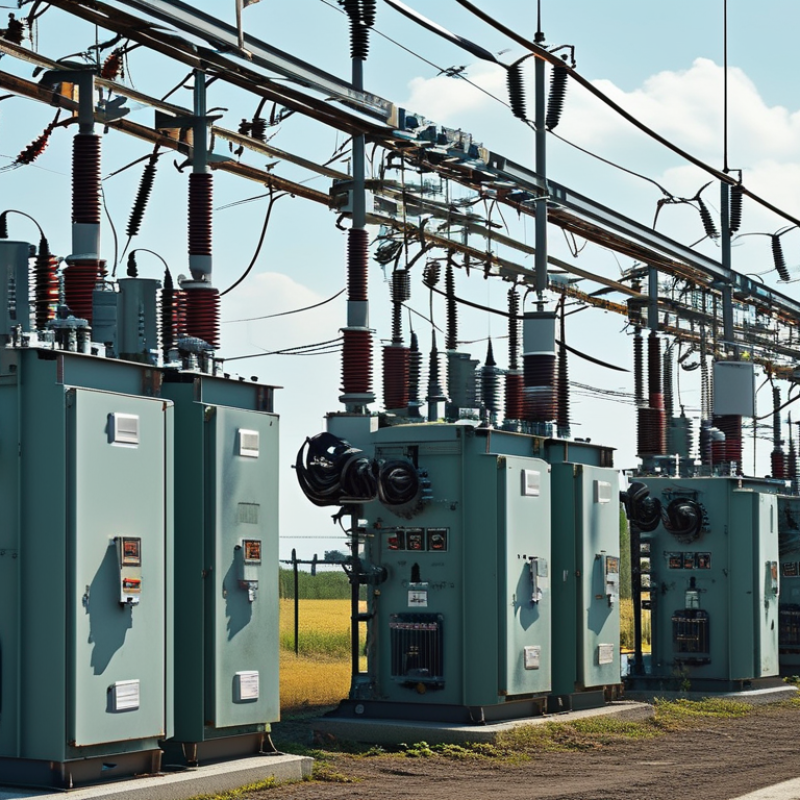
What is Transformer Switchgear and How Does it Work?
Transformer Switchgear is a vital component in electrical distribution systems. It plays a critical role in managing the flow of electricity. These systems ensure safety and reliability in power networks.
Understanding how Transformer Switchgear works can be complex. However, its importance cannot be overstated. It helps to protect equipment and maintain service continuity. Utility companies depend on it for efficient operations.
Each element of Transformer Switchgear must adhere to high standards. This equipment is designed for durability and performance. However, there can be challenges in installation and maintenance. A thorough understanding of its functions is essential for users. Balancing efficiency and safety is key in this field.
What is Transformer Switchgear and Its Role in Electrical Systems
Transformer switchgear plays a crucial role in electrical systems. It serves as a protective interface between transformers and the electrical grid. According to a report by Research and Markets, the global switchgear market is expected to grow significantly, driven by the increasing demand for renewable energy solutions. This growth emphasizes the role of transformer switchgear in maintaining system reliability.
These systems help in controlling and distributing electrical power efficiently. They can disconnect transformers during fault conditions. This minimizes damage and enhances system resilience. A study from Markets and Markets indicates that the transformer switchgear market will reach USD 60 billion by 2025. This highlights the importance of investing in advanced switchgear technologies.
Despite the advancements, challenges remain. Maintenance of transformer switchgear is often overlooked, leading to potential failures. Regular inspections are vital to ensure reliability. Many facilities face pressure to reduce downtime, impacting maintenance practices. The balance between efficiency and thoroughness can be tricky.
What is Transformer Switchgear and How Does it Work?
| Component | Function | Specifications | Maintenance Frequency |
| Transformers | Voltage conversion | Up to 500kV, various ratings | Annually |
| Circuit Breakers | Protects against overloads | Rated current up to 6300A | Semi-annually |
| Switches | Control circuit energy flow | Rated voltage up to 36kV | Quarterly |
| Relays | Fault detection | Various types, typically 24V | Monthly |
| Control Panels | System monitoring and control | Custom configurations | Bi-annually |
Key Components of Transformer Switchgear: An Overview
Transformer switchgear plays a crucial role in electrical distribution systems. Understanding its key components is vital for ensuring reliability and efficiency. The primary components of transformer switchgear include circuit breakers, disconnectors, and busbars. Circuit breakers protect the system from fault currents. Disconnectors isolate parts of the system for maintenance. Busbars help conduct electricity between various components.
When selecting transformer switchgear, consider the voltage and current ratings. The specifications directly impact performance and safety. Always verify maximum load capacity. Oversized switchgear can lead to inefficiencies, while undersized equipment risks failures. A poorly sized component may cause unexpected power outages.
Remember to regularly maintain your switchgear. This helps prevent malfunctions and extends the lifespan of the equipment. Regular inspections can catch issues early. Consider using thermal imaging tools to spot hot spots in connections. Identifying problems early saves costs and enhances safety. Ignoring regular checks can lead to serious consequences. Prioritize maintenance to ensure long-term reliability of your system.
Principles of Operation: How Transformer Switchgear Functions
Transformer switchgear plays a critical role in electrical systems. Its primary function is to protect transformers and control electricity distribution. The switchgear operates using various components like circuit breakers and disconnectors. These elements help ensure safety during maintenance and operational load changes.
The principles of operation are straightforward yet sophisticated. When a fault occurs, the circuit breakers detect the issue and disconnect power. This prevents damage to transformers. According to industry reports, approximately 30% of transformer failures are due to electrical faults. Regular monitoring and maintenance can mitigate these risks significantly.
Moreover, transformer switchgear must adapt to evolving technologies. The integration of smart technology has improved reliability. Real-time monitoring allows for better decision-making. A report by the International Energy Agency indicates that adopting advanced switchgear can increase operational efficiency by up to 20%. Yet, this technology requires skilled personnel for installation and operation. Reflection on workforce training remains essential.
Advantages of Using Transformer Switchgear in Power Distribution
Transformer switchgear plays a pivotal role in modern power distribution systems. It combines transformer functionality with switchgear components, enhancing operational efficiency. According to industry reports, transformer switchgear can reduce space requirements by up to 70% compared to traditional setups. This compacts design minimizes installation costs and simplifies maintenance procedures.
One significant advantage of transformer switchgear is its ability to mitigate power losses. Research indicates that these systems can lower energy losses by approximately 15% in distribution networks. This efficiency translates to cost savings for utility providers and ultimately for consumers. The integrated design also leads to improved safety features, reducing the risk of electrical faults.
However, despite these advantages, there can be challenges. The initial investment in transformer switchgear may be higher than traditional alternatives. This could deter some operators, especially those with limited budgets. Additionally, transitioning to newer technologies demands thorough training for personnel, which could introduce temporary inefficiencies. Each of these factors warrants careful consideration.
Industry Standards and Safety Measures for Transformer Switchgear
Transformer switchgear plays a vital role in electrical networks. Understanding the industry standards and safety measures for these systems is crucial for safe operation. According to the International Electrotechnical Commission (IEC), compliance with IEC 62271 standards is non-negotiable for performance and safety.
The National Fire Protection Association (NFPA) highlights the importance of regular maintenance. This reduces the risk of failures. Regular inspections and testing enhance reliability. The failure rates can range from 5% to 20%, depending on upkeep. Thus, periodic evaluations are key to mitigating unexpected failures in transformer switchgear.
Safety measures extend beyond routine checks. Proper grounding systems are essential for preventing electrical faults. The IEEE states that grounding can reduce shock hazards significantly. Inadequate grounding may increase the risk of vibrations and arcing. Identifying these weak points is critical. Safety protocols should be routinely reviewed and improved. Data shows that over 30% of accidents are attributed to improper maintenance and standards that fall short.