Top 10 Uses of Galvanized Coil in China?
In the bustling construction industry of China, the demand for Galvanized Coil is on the rise. This material offers durability and resistance to corrosion, making it essential for various applications. As noted by industry expert Dr. Chen Wei, “Galvanized Coil is a game-changer for many sectors, providing both strength and longevity.”
Within the automotive and manufacturing sectors, Galvanized Coil plays a critical role. It forms the backbone of many components, ensuring reliability under challenging conditions. Yet, the evolving market presents issues. Many companies struggle to source high-quality Galvanized Coil consistently. This inconsistency could impact long-term projects and cost management.
The construction industry also faces competition when using Galvanized Coil. Innovations make it necessary to find better alternatives or enhancements. This constant need for improvement can create challenges for manufacturers. Still, the advantages of Galvanized Coil continue to shine, proving there is much to learn and adapt in this dynamic field.
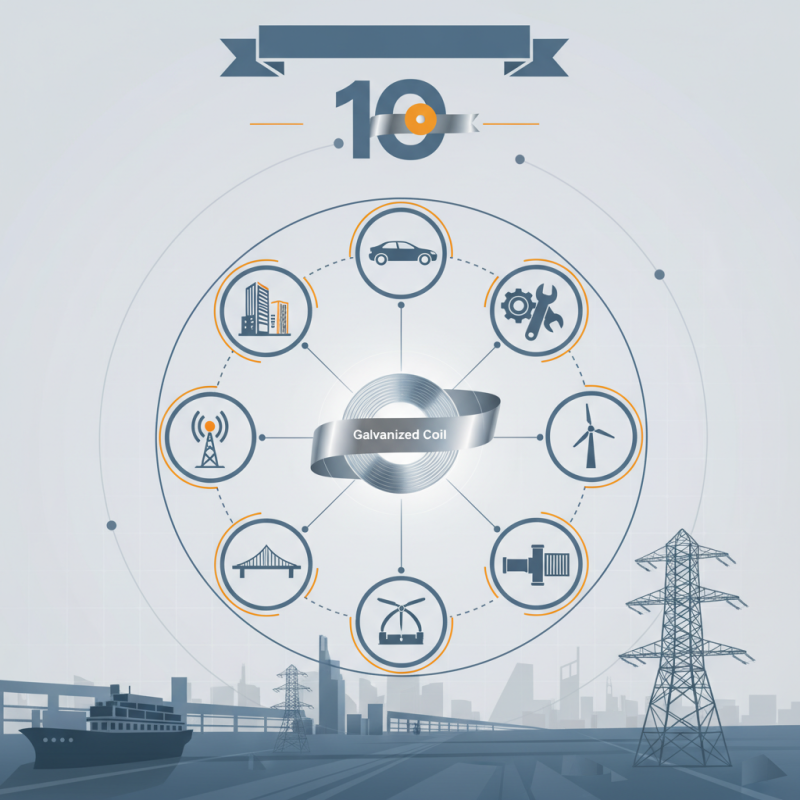
Overview of Galvanized Coil and Its Properties
Galvanized coil is a versatile material widely used across various industries. It consists of steel coated with zinc, enhancing resistance to corrosion. This property is vital, especially in humid climates. Its finish offers both protection and aesthetic appeal. The smooth surface helps in reducing friction and wear, making it useful in several applications.
One common use is in construction. Builders employ galvanized coils for roofing and siding. This ensures long-lasting structures that can withstand weather elements. Another significant application is in the automotive sector. Car manufacturers utilize it for parts exposed to harsh conditions. However, there are concerns about the environmental impact of zinc production. This raises questions about sustainable practices in galvanization.
Galvanized coil also finds its way into appliances. It aids in producing washers and dryers, where durability is crucial. Yet, the reliance on such materials prompts reflection on recycling. The industry's transition towards less harmful alternatives remains a pressing need. In various sectors, the balance between utility and environmental responsibility is vital.
Construction Industry Applications of Galvanized Coil
Galvanized coils are increasingly important in China's construction industry. They provide a unique combination of strength and corrosion resistance. Builders use them extensively for roofing, cladding, and siding. These applications enhance durability, especially in harsh weather conditions. The protective zinc coating prevents rust and extends the lifespan of structures.
Additionally, galvanized coils are lightweight and easy to handle. This reduces transportation and labor costs. For example, they are often employed in making lightweight steel frames. This choice supports faster construction timelines, which is critical in urban settings. However, reliance on these materials raises concerns regarding the environmental impact of zinc coatings.
On-site, workers sometimes underestimate the importance of proper installation. Misalignment can lead to significant issues, like leaks and structural weakness. Continuous training is vital to ensure that construction teams understand best practices. With the right knowledge, the benefits of galvanized coils can be fully realized in building projects across China.
Automotive Uses of Galvanized Coil in China
Galvanized coil plays a crucial role in the automotive industry in China. It is used extensively for parts and components that require corrosion resistance. The production of galvanized steel for automotive applications has been rising steadily. According to industry reports, around 60% of galvanized steel is utilized in this sector.
One significant application is for car body panels. These panels are essential for aesthetics and protection. Manufacturers prefer galvanized coil due to its durability. In fact, galvanized coatings extend the lifespan of panels by up to 25 years. This longevity is vital for car manufacturers striving for quality and reliability. Additionally, the lightweight nature of galvanized steel aids in enhancing fuel efficiency. Research indicates that using lighter materials can improve fuel economy by up to 15%.
However, challenges remain. Some manufacturers face difficulties in maintaining consistent quality. Variations in zinc coating thickness can lead to performance issues. Stakeholders are urged to invest in better production processes to ensure uniformity. This is a critical area that requires continuous improvement to optimize the benefits of galvanized coil in automotive applications.
Household Appliances Made with Galvanized Coil
Galvanized coil has become increasingly popular in household appliances across China. This popularity is due to its corrosion resistance and durability. Reports indicate that the usage of galvanized steel in appliances has grown by approximately 15% annually. This rise shows how essential these materials are for modern products.
Refrigerators often use galvanized coil in their structures. The coating helps prevent rust, extending the life of the appliance. Many people overlook this aspect, yet it's crucial for performance. Air conditioning units also benefit from galvanized coil. This material makes them robust against wear and tear. Interestingly, studies highlight that using galvanized materials can reduce maintenance costs by 20%.
Water heaters utilize galvanized coils as well. This choice ensures that they remain serviceable for years. However, some manufacturers still opt for less durable materials, leading to premature failures. Consumers should be aware of this when selecting appliances. The longevity of galvanized appliances can often justify the initial investment. This awareness is key in a market filled with varied options.
Top 10 Uses of Galvanized Coil in China - Household Appliances Made with Galvanized Coil
| Application | Description | Advantages |
| Refrigerators | Used for creating the outer shell and inner compartments of refrigerators. | Corrosion resistance and durability. |
| Washing Machines | Constructed using galvanized coils for structural components. | Strength and rust prevention. |
| Air Conditioners | Used for making casings and internal parts. | Heat resistance and long life. |
| Water Heaters | Used in tanks and housing structures for insulation. | Thermal retention and anti-corrosion properties. |
| Ovens | For external and interior components for cooking. | Heat resilience and durability. |
| Microwaves | Includes external casing and internal structures. | Enhanced safety and longevity. |
| Dishwashers | Utilized in the construction of the housing. | Resistant to water and built to last. |
| Blenders | Used for motor casing and blade protection. | Durability and rust resistance. |
| Electric Kettles | Sweaters for the boil unit and exterior shielding. | Safety and thermal insulation. |
Agricultural Equipment Utilizing Galvanized Coil
Galvanized coil has numerous applications in agricultural equipment across China. Farmers often use it for constructing greenhouses. The corrosion-resistant properties of galvanized coil make it ideal for such structures. These materials last longer, reducing frequent replacements and maintenance costs.
In addition, galvanized coil is utilized in making storage tanks. These tanks are essential for storing water and fertilizers safely. The material's durability protects against leaks and contamination. However, not all farmers are aware of the benefits of using galvanized coil. Some still rely on older materials, which can lead to inefficiencies.
Furthermore, the use of galvanized coil in machinery parts is growing. Components made from this material exhibit better strength and longer life. Nonetheless, proper sourcing and quality checks are sometimes neglected. This oversight can lead to subpar performance over time. Farmers need to reflect on the choices they make in material selection to ensure optimal productivity.
