"*" indicates required fields
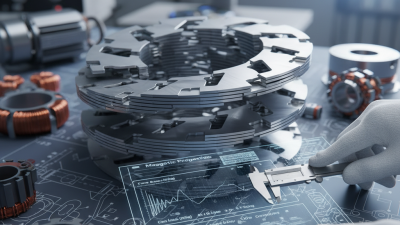
Electrical steel is a crucial material in the manufacturing of motors, transformers, and generators. It plays a vital role in the efficiency of these devices. According to the International Energy Agency, electrical steel accounts for about 70% of the energy losses in transformers. This highlights the importance of high-quality electrical steel in reducing energy waste.
The market for electrical steel has seen significant growth. Reports show a projected increase in demand due to the rise of renewable energy technologies. Countries investing in electric vehicles are also contributing to this boom. However, not all electrical steel is created equal. Different types, such as silicon steel and non-oriented steel, have varying magnetic properties that impact performance.
There is room for improvement in manufacturing processes. Some companies still struggle with producing consistent quality. This inconsistency can lead to higher energy losses and reduced efficiency. Addressing these challenges is essential for meeting future energy demands. Understanding the various types of electrical steel is critical for engineers and manufacturers alike.
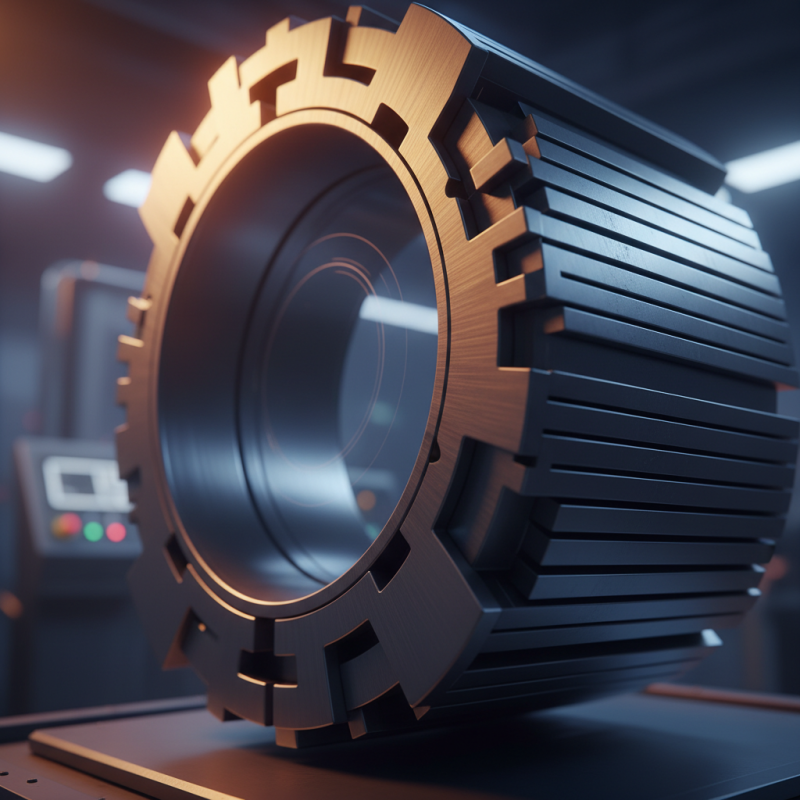
Electrical steel plays a crucial role in the manufacturing of transformers, motors, and generators. Understanding the different types is essential for optimizing performance and efficiency. Electrical steel is primarily categorized into two types: silicon steel and non-oriented electrical steel. Silicon steel, often preferred, enhances magnetic properties. It reduces energy losses in AC applications, which is essential for modern energy-efficient devices.
The market for electrical steel is projected to grow significantly. According to reports, it is expected to reach approximately $20 billion by 2026. This growth highlights the increasing demand for energy-efficient technologies. Yet, the high production costs and raw material sourcing remain challenges. Not all manufacturers can achieve the required quality standards. The need for greater innovation and cost-effective processes cannot be overstated.
In recent years, the development of high-grade, non-oriented electrical steel has gained attention. This type exhibits better magnetic properties under varying temperatures and angles. However, the market still struggles with sustainability issues. The production process can lead to significant waste, which requires careful management. Companies may need to rethink their strategies to align with environmental standards and efficiency demands.
| Type of Electrical Steel | Typical Applications | Magnetic Properties | Grain Orientation |
|---|---|---|---|
| Silicon Steel | Transformers, Generators | High Permeability, Low Loss | Non-oriented |
| Grain-Oriented Electrical Steel | High-efficiency Motors, Transformers | Very Low Core Loss, Excellent Magnetization | Fully Oriented |
| Amorphous Steel | Electrical Cores, Power Electronics | Ultra-Low Core Loss, High Efficiency | Non-oriented |
| Electrical Steel with Coating | Induction Heating Equipment, Motors | Improved Electrical Insulation | Varied based on coating process |
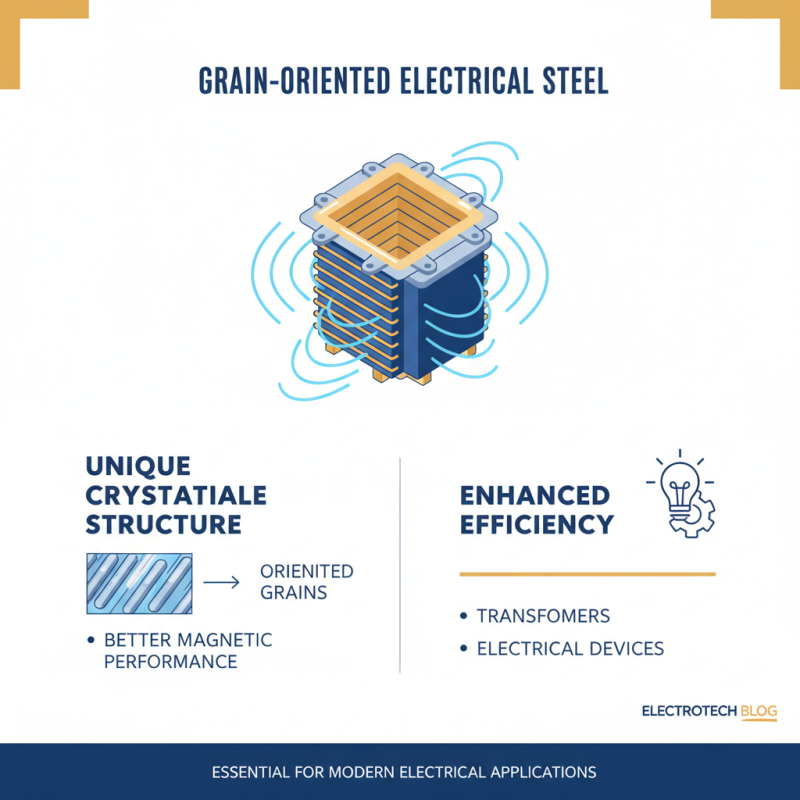
Grain-oriented electrical steel is a specialized material widely used in electrical applications. It features a unique crystalline structure. This structure allows for better magnetic performance. Many transformers and electrical devices rely on it to enhance efficiency.
One of the defining characteristics of grain-oriented electrical steel is its low hysteresis loss. This property helps reduce energy waste. However, its production can be complex and costly. Some manufacturers struggle with maintaining consistent quality. Even slight variations can impact performance significantly.
Applications of this steel are extensive. It is primarily used in transformers. Other applications include electric motors and generators. These components benefit from reduced energy losses. Yet, engineers often face challenges in sourcing high-quality materials. The demand for grain-oriented electrical steel continues to grow, but so do the concerns around sustainability.
Non-oriented electrical steel is a pivotal material in various applications. It is primarily used in the manufacturing of transformers and electric motors. This type of steel has unique features that make it versatile. It exhibits isotropic properties, meaning its magnetic characteristics are uniform in all directions. This quality enhances efficiency in electric machines.
One prominent feature of non-oriented electrical steel is its high permeability. This allows it to conduct magnetic flux more effectively. Additionally, it has low core loss, making it suitable for energy-efficient designs. Industries often prefer this material for appliances and automotive components. However, improper handling can lead to performance degradation, so care is essential.
Tips: Always consider the specific application when choosing electrical steel. Measure the required core loss and permeability. This helps to ensure optimal performance. Remember, quality control processes matter. It’s crucial to verify the material specifications before use. Not all suppliers will meet necessary standards. Always double-check!
This chart illustrates the key properties of Non-Oriented Electrical Steel with respect to its magnetic induction, core loss, cost, and mechanical strength. These metrics are critical for understanding its effectiveness and applications in electrical engineering.
High-performance electrical steel is revolutionizing the energy sector. Its unique properties enhance efficiency in transformers and motors. Special coatings and alloy compositions significantly reduce energy loss. This innovation leads to better overall performance for various applications.
One striking benefit is the improvement in magnetic properties. These steels can handle higher magnetic flux density. For manufacturers, this means smaller and lighter designs. Yet, the production process may create challenges. Achieving the perfect balance in alloying elements requires precise control. Regular evaluations are necessary to ensure quality and performance.
Another advantage lies in its environmental impact. Enhanced energy efficiency means reduced carbon emissions. However, the cost of advanced electrical steel can be a barrier. Companies must weigh the upfront investment against long-term savings. Adopting new materials is a step forward, but it’s not without risks. Ongoing research and feedback are vital for successful implementation.
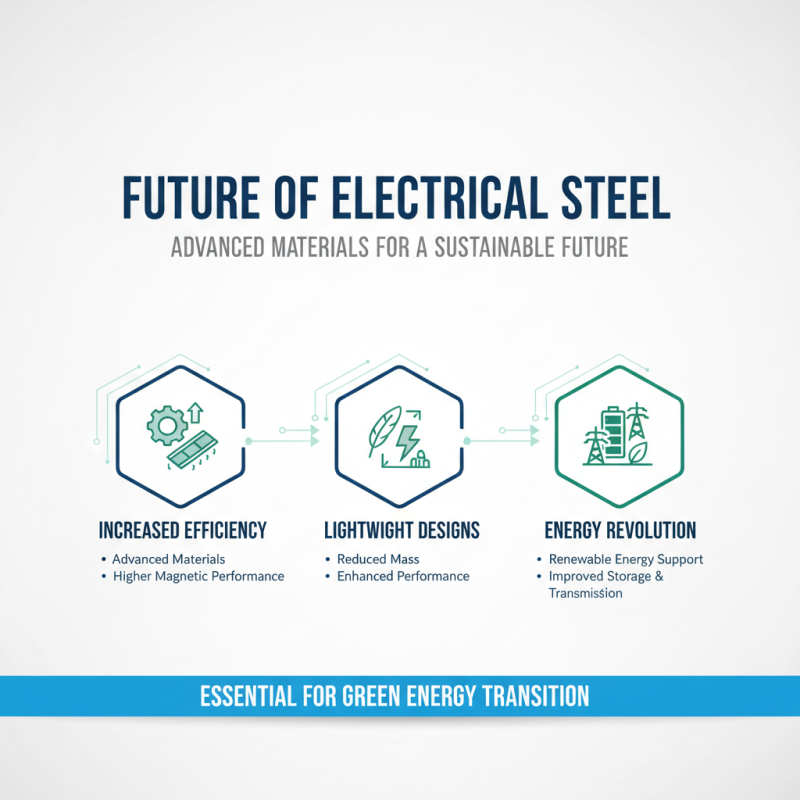
The future of electrical steel development is promising. Industry experts foresee a shift towards advanced materials that boost efficiency. These new designs emphasize lightweight structures and higher magnetic performance. As renewable energy sources gain traction, electrical steel will play an essential role in enhancing energy storage and transmission systems.
Tips: Focus on sustainable sourcing. Responsibly sourced materials matter. Think about the long-term impact on the environment.
Research is underway to improve the electrical properties and reduce losses in steel. The goal is to make electric vehicles and wind turbines more efficient. However, balancing cost and performance remains a challenge. Innovators must also consider how changes will affect production lines.
Tips: Stay informed about emerging technologies. They might reshape how electrical steel is utilized in different applications.
As electric grids modernize, the need for reliable and durable materials grows. It's vital for manufacturers to embrace new methods. Failing to adapt could lead to missed opportunities in a rapidly evolving market. The future is bright, but reflection on current practices is essential.
"*" indicates required fields