Top 10 Steel and Tube Suppliers in China for Global Buyers?
In the rapidly evolving global market, steel and tube suppliers play a crucial role. China, as a manufacturing powerhouse, offers a plethora of options for these essential materials. For buyers worldwide, selecting the right supplier can be daunting due to the vast choices available.
This article explores the top ten steel and tube suppliers in China. Each company brings unique strengths, yet challenges exist. Factors such as quality, pricing, and service vary greatly. Buyers must consider their specific needs and conduct thorough research before making decisions.
Furthermore, understanding the nuances of the steel and tube industry is vital. It requires not just awareness of suppliers but also insight into market trends and specifications. Buyers should reflect on their long-term needs. This reflection ensures they partner with suppliers who can sustain quality and reliability. The right choice can significantly impact their projects and overall success.
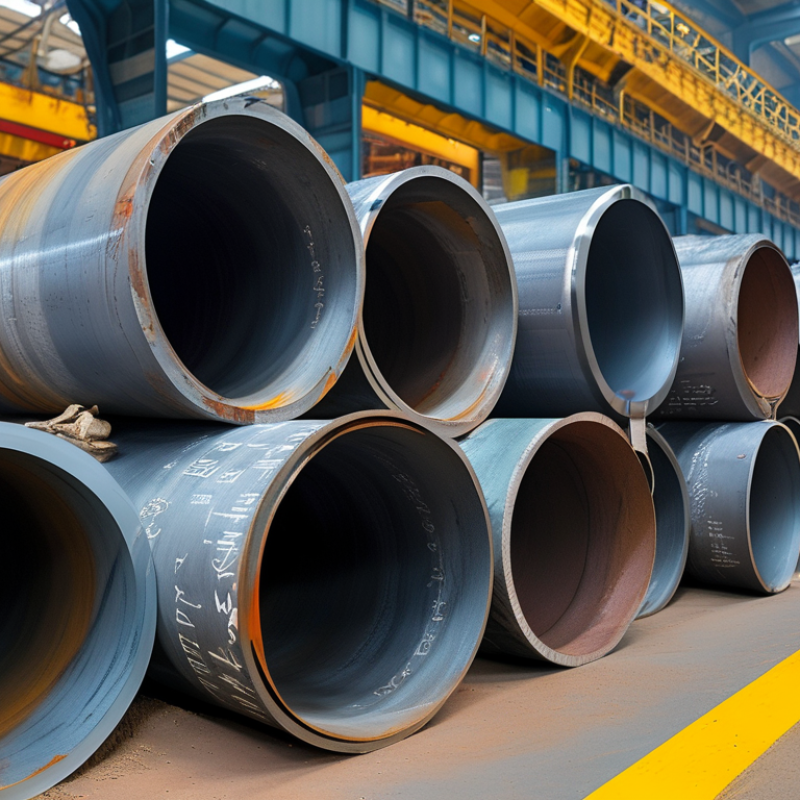
Overview of China’s Steel and Tube Industry
China's steel and tube industry has experienced significant growth over the last few decades. This expansion is driven by rising demand for construction and infrastructure projects. China remains a top producer, offering a vast selection of steel products, including various grades and sizes. The country is equipped with modern production facilities that enhance efficiency. However, quality control remains a pressing issue, leading to variations in product consistency.
Manufacturers are constantly working to improve standards and certifications. There is a growing emphasis on sustainable production practices as well. Concerns about environmental impact are prompting shifts in operational strategies. While many suppliers have adopted new technologies, some still face challenges in meeting international standards.
Prospective buyers often seek reliable partners in China. Looking for suppliers with a strong track record can yield better results. Transparency in processes and open communication are crucial for effective collaboration. Buyers should not overlook the importance of on-site visits to assess manufacturing capabilities and quality management systems. These steps can help forge lasting business relationships.
Criteria for Selecting Top Suppliers in China
When selecting top steel and tube suppliers in China, buyers should consider several crucial criteria. Price competitiveness is key, but it should not overshadow quality. According to a recent report from the China Iron and Steel Association, steel quality has improved significantly over the past decade, with 70% of producers now meeting international standards. Evaluating the certification and compliance with global norms will help ensure reliability.
Experience in the industry also matters. Suppliers with 10 years or more in the field often have established supply chains. They understand market fluctuations and can respond effectively. However, not all seasoned suppliers guarantee innovation. It's vital to assess their capability for adapting to new technologies and sustainable practices. Increasingly, buyers can leverage data analytics to evaluate a supplier's production capacity and delivery performance, making informed decisions easier.
Another factor is customer service. Strong communication can bridge many gaps in processes, thus minimizing delays. Data indicates that 65% of manufacturing delays stem from poor supplier interaction. Engaging with suppliers who prioritize transparency can mitigate risks. Ultimately, these criteria are essential in navigating China’s complex supplier landscape, where reputation and trust are invaluable.
List of Leading Steel and Tube Suppliers for Global Buyers
When considering steel and tube suppliers in China, understanding industry dynamics is crucial. In 2022, China's steel production reached approximately 1 billion tons, dominating global supply. This impressive figure represents over 50% of worldwide output. Global buyers seek suppliers who can offer both quality and reliability. However, navigating this market can be challenging due to varying standards and specifications across different suppliers.
Many buyers have reported issues with inconsistent quality. Some suppliers may meet specifications initially but fail to maintain these standards in subsequent orders. This can lead to operational delays and increased costs. Industry reports indicate that about 30% of international buyers express dissatisfaction with delivery timelines. Transparency is key. Buyers should conduct thorough research on potential suppliers to gauge credibility and performance effectively.
The demand for steel and tubes is projected to grow by 2.5% annually from 2023 to 2030. This data highlights the importance of establishing long-term relationships with dependable suppliers. It’s vital to review a supplier's certifications and previous client feedback. While some suppliers may have lower prices, their reliability and quality should not be compromised. Engaging with independent industry reports can help buyers make informed decisions as they enter this competitive landscape.
Key Factors Influencing Supplier Performance and Reliability
Selecting the right steel and tube suppliers in China is crucial for global buyers. Several key factors influence supplier performance and reliability. Quality management systems play a significant role. Suppliers must adhere to stringent quality standards. Advanced manufacturing processes can enhance consistency. It's essential for buyers to assess these capabilities during the selection process.
Another important aspect is communication and support. Reliable suppliers maintain clear channels for interaction. Timely responses to inquiries can indicate the supplier's overall commitment. Transparency in operations fosters trust. Buyers often benefit from suppliers who are open about their production capabilities and lead times.
Logistics and delivery performance are vital. Delays can significantly impact project timelines. Suppliers should demonstrate strong logistics networks. Evaluating a supplier’s previous delivery performance helps identify potential issues. It’s also worthwhile to consider their geographical location. Proximity can reduce shipping times and costs, enhancing overall reliability.
Future Trends in China’s Steel and Tube Market for Global Trade
China's steel and tube market is experiencing significant transformations. According to a recent report from the World Steel Association, China's steel production accounted for 57% of global output in 2022. The growth, however, has spurred challenges in sustainability and resource management. Many manufacturers are investing in green technologies to reduce carbon emissions, aiming for a net-zero target by 2060.
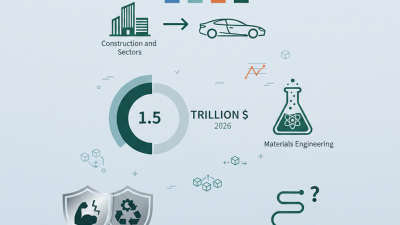
In 2023, market analysis indicates a shift towards higher-grade steel and specialized tubes. The demand in construction and automotive sectors drives this trend. Analysts project that the global steel tube market will grow at a CAGR of 5% over the next five years. This growth reflects an increasing preference for high-performance materials that meet modern engineering standards. Nevertheless, supply chain issues persist, creating uncertainties in pricing and availability.
Despite the robust outlook, companies must reflect on their operational strategies. A reliance on traditional methods can hinder innovation. Many suppliers are reassessing production techniques and focusing on digitalization. As global trade evolves, adaptability will be crucial for maintaining competitiveness in this dynamic landscape. These factors underscore the complexity of China’s steel and tube market and require a proactive approach from suppliers.
Top 10 Steel and Tube Suppliers in China for Global Buyers