Top Magnet Zippers Suppliers for Global Buyers?

Global buyers are paying closer attention to Magnet Zippers as apparel, luggage, medical wear, and outdoor equipment demand easier fastening. Grand View Research estimates that the global zipper market will continue expanding through 2030, supported by technical textiles and premium fashion. Fortune Business Insights also reports steady growth in the broader fastener market. However, neither report isolates magnetic zippers clearly. That gap matters. Supplier comparisons should not rely on attractive market headlines alone.

“Magnetic closures succeed when convenience does not compromise holding strength,” says Dr. Elena Marquez, an independent fastening-systems consultant. Her point is practical. A zipper may feel smooth on a showroom sample, yet fail after repeated washing, bending, or dust exposure. Buyers should inspect magnet grade, pull strength, tape construction, slider alignment, corrosion resistance, and replacement availability. Small details matter. A winter jacket needs different performance from a lightweight handbag.

Reports from Smithers and Textile Exchange also highlight growing attention to durability, traceability, and material efficiency across textile supply chains. These trends influence how Magnet Zippers are evaluated, especially when brands seek longer product life and lower replacement waste. Still, supplier claims can be incomplete. Laboratory results may not represent factory conditions, and “strong magnet” is not a useful specification by itself. The best global suppliers provide test methods, batch records, sample approvals, and clear tolerance ranges. This guide compares leading manufacturers through those practical measures, while recognizing an uncomfortable truth: the cheapest component can become the most expensive failure.
Top Magnet Zippers Suppliers for Global Buyers?

Magnetic Zippers: Structure, Functions, and Main Applications

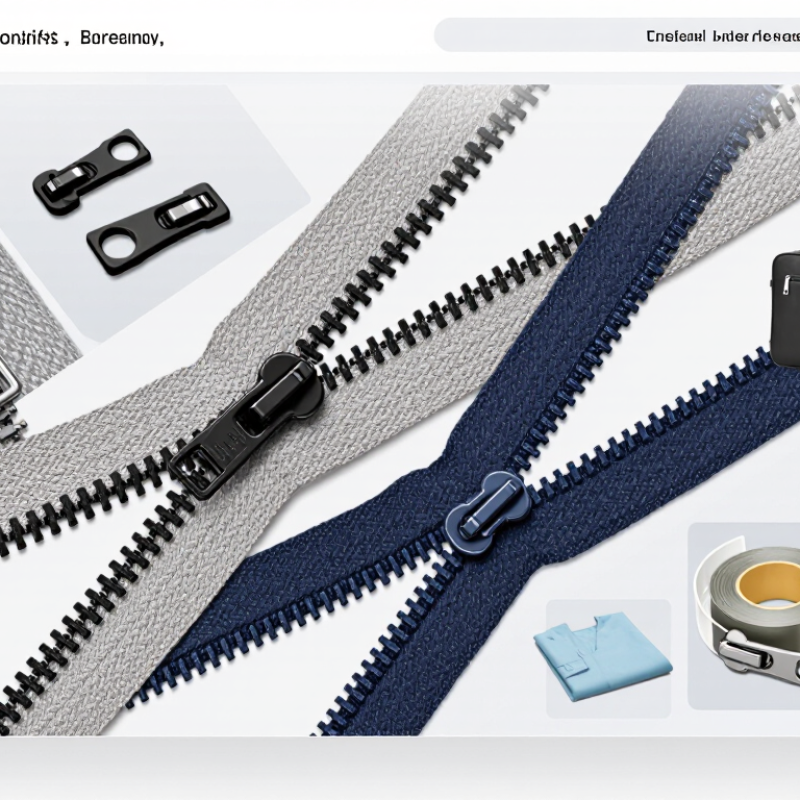
A magnetic zipper combines two fabric tapes with a closing system that uses magnets to guide the edges together. Depending on the design, small magnets may sit beside the teeth, inside the tape, or along a flexible magnetic strip. The teeth or track provide the main mechanical closure; magnets help align the sides and make closing easier. Design details vary. Buyers should check how the specific construction works.

The magnetic pull can help a wearer close a jacket or bag with one hand, even when the edges are not perfectly aligned. This is useful for adaptive clothing, travel bags, protective covers, and some outdoor products. A soft click may signal that the edges have met, but it does not prove the zipper is fully secured. That matters.

Performance depends on magnet strength, spacing, tape stiffness, and the force applied during use. Magnets that are too weak may not guide the closure reliably, while stronger ones can make opening harder. Test samples with the intended fabric and load. Check washing instructions, nearby metal parts, and resistance to dust or moisture. Not always. A magnetic zipper can improve convenience, but it may need a conventional lock or fastening feature when a product requires a firm hold.

Top Magnet Zippers Suppliers for Global Buyers? — Magnetic Zippers: Structure, Functions, and Main Applications
Supplier Capability Profile Typical Magnetic-Zipper Structure Main Function Common Applications Customization Options What Global Buyers Should Verify
Apparel zipper manufacturer Conventional zipper chain and slider with magnetic elements incorporated into the closure design; construction varies by product. Helps bring the two sides of an opening into alignment and can make fastening easier. Jackets, coats, selected sportswear, and adaptive clothing. Chain size, tape material and color, slider style, end stops, and zipper length. Request samples and test opening force, alignment, wash durability, and compatibility with the garment design.
Bag and luggage-closure supplier Magnet-assisted closure combined with zipper tapes and interlocking elements; the exact arrangement is design-specific. Supports easier closure while retaining a zipper-based connection. Handbags, backpacks, organizers, and selected travel goods. Tape width, chain type, puller design, color matching, and custom lengths. Check performance under repeated cycling, load, abrasion, and the intended bag construction.
Outdoor and performance-trim supplier Application-specific zipper construction that may combine magnetic alignment features with standard zipper components. Can assist alignment when users operate the closure with gloves or in less convenient conditions. Outdoor garments, equipment pockets, and selected technical soft goods. Water-resistant zipper options, tape materials, chain size, and puller configuration. Confirm whether the complete zipper is water-resistant; magnetic assistance alone does not make a zipper waterproof.
Adaptive-clothing component supplier Easy-to-operate closure design using magnetic assistance alongside a zipper mechanism. May reduce the dexterity required to align the closure, depending on the design and user needs. Adaptive apparel, accessible garments, and selected care-related textiles. Puller shape, opening direction, placement, zipper length, and garment-specific configurations. Evaluate with intended users and assess pinch, snag, and accidental-opening risks in the finished product.
Custom zipper development supplier Prototype-based construction; magnetic components, zipper chain, slider, and stops are selected for the application. Enables a closure to be tailored to a particular product’s operation and appearance. Specialty apparel, bags, footwear components, and product-specific soft goods. Component materials, dimensions, colors, puller geometry, and sample development. Request technical drawings, material information, sample approval, production tolerances, and quality-control criteria.
Note: “Magnetic zipper” is used for different product designs and is not a single standardized construction. Confirm the actual mechanism, materials, test results, and performance requirements with the supplier before ordering.

Key Criteria for Evaluating Global Magnetic Zipper Suppliers

Top Magnet Zippers Suppliers for Global Buyers

Key Criteria for Evaluating Global Magnetic Zipper Suppliers

Reliable magnetic zipper sourcing starts with product evidence, not attractive catalog images. Check the magnet strength, zipper alignment, pull force, and opening smoothness on physical samples. A useful sample should survive repeated opening and closing. Ask for test records covering corrosion resistance, washing, and dimensional stability.

Supplier experience matters when designs include curved seams, coated fabrics, or heavy outerwear. Request production photos, inspection procedures, and traceability for magnets, tapes, and sliders. Confirm whether the factory controls these processes directly or relies on unknown subcontractors. That difference can affect consistency.

Small details expose weak systems.

Review sample approval methods carefully. A supplier should record measurements, approved colors, tolerances, and packaging requirements. Lead-time promises also need evidence from recent production schedules. Ask how defects are handled, including replacement quantities and response times. Clear communication is a practical sign of reliability.

Global buyers should examine material declarations and shipment documents for the destination market. Requirements may vary by product type and region, so written verification is safer than assumptions. Packaging deserves attention too. Poor protection can bend zipper chains before they reach your warehouse. One overlooked issue remains common: buyers sometimes judge suppliers from one successful sample. That is risky. Request a small pilot order, inspect random pieces, and compare results against the approved sample.

Leading Supplier Categories by Region and Manufacturing Capability

Magnet zipper suppliers differ by region and production strength. East Asian manufacturers often offer integrated facilities for tape weaving, slider assembly, and high-volume production. This can help buyers coordinate color matching and repeat orders. Ask for recent test reports and samples from the same production line. Samples matter.

South Asian suppliers may provide flexible order quantities and varied textile options, while European producers often emphasize engineering support and documented quality controls. These are broad patterns, not guarantees; individual factories can differ sharply. Regional sourcing also affects lead times, shipping costs, and communication across time zones.

For demanding applications, assess capability rather than location alone. Check magnet spacing, pull strength, corrosion resistance, and performance after repeated opening and closing. A supplier should explain its inspection process and show how it handles defects. Request a pilot run before committing to large volumes. It is easy to overvalue a polished sample; production consistency is harder to judge. Ask how zipper dimensions and magnetic alignment are checked across a full batch, not just at the start.

Quality Standards, Customization Options, and Production Verification

Top Magnet Zippers Suppliers for Global Buyers?

A dependable magnet zipper starts with consistent materials and clear inspection criteria. Ask suppliers how they check magnet placement, closing force, zipper alignment, and repeated opening performance. A sample should close smoothly without twisting the tape or catching nearby fabric. Small defects matter. A weak magnetic connection can make a finished pocket feel unreliable.

Customization needs more than choosing colors. Buyers can discuss tape width, magnet spacing, slider shape, stitching allowances, and packaging for transit. Request a written specification and a pre-production sample before approving bulk production. For verification, compare samples from different production stages and review dated inspection records, measurement results, and defect photos. Ask how the supplier separates rejected pieces from approved stock. This detail is easy to overlook.

A practical audit may include testing several units from each batch, rather than relying on one hand-picked sample. Keep the test conditions consistent, including fabric thickness and opening cycles. Supplier documentation helps, but it does not replace checking the actual product. Even a careful process can miss something. Record any mismatch and agree on corrective steps before shipment, with clear acceptance limits both sides understand.

Import, Pricing, and Logistics Considerations for International Buyers

International buyers should compare magnet zipper suppliers by more than unit price. Request samples in the intended tape width, slider finish, and magnet arrangement. Check whether the closure aligns smoothly and stays shut after repeated opening. A few millimeters of mismatch can cause trouble on a finished garment. Ask for written specifications, production lead time, minimum order quantity, and sample charges before approving a purchase.

Pricing depends on materials, dimensions, order volume, and packaging. A low quote may exclude testing, custom colors, or export packing. Request a cost breakdown and confirm the currency, payment schedule, and quote validity period. Freight can change the final landed cost substantially. Compare air and ocean options using the shipment’s weight, volume, and delivery deadline, not just the quoted transport rate. Allow extra time for production and port handling. Delays happen.

Before shipment, confirm carton dimensions, labeling, and shipping documents with the supplier and your freight forwarder. Ask how defects will be recorded and handled, and keep approved samples for comparison. For a first order, a smaller trial shipment can reveal packing or performance issues before larger quantities are committed. It is not foolproof, though; one batch may behave differently from the next. Keep clear inspection records and agree on quality tolerances in writing.

Article Source:

"*" indicates required fields