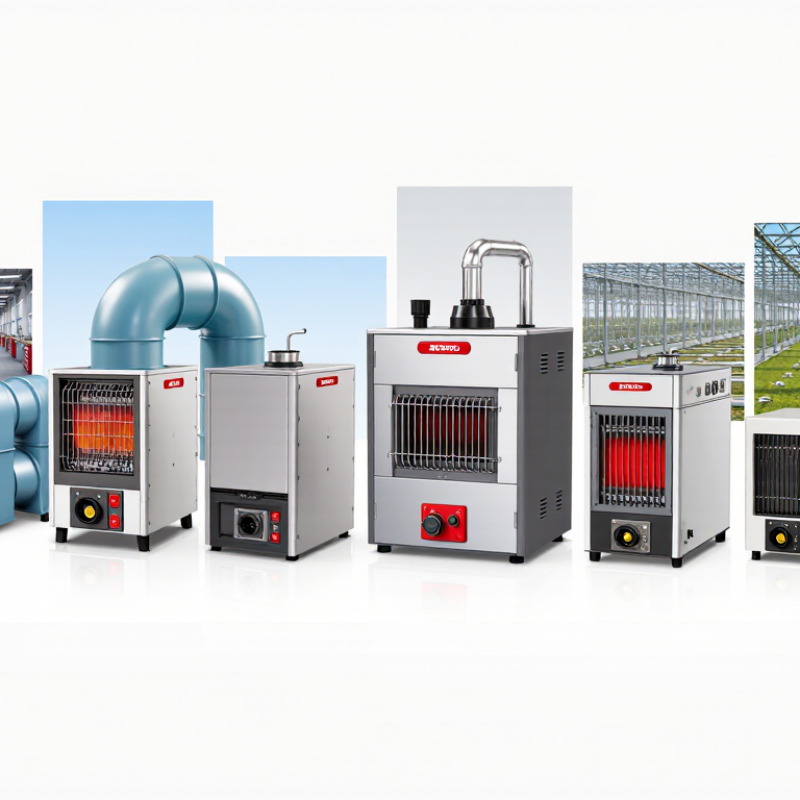
Top 10 Fuel Oil Heater Types for Global Buyers

Choosing the right Fuel Oil Heater is no longer a simple matter of comparing purchase prices. Global buyers must examine fuel viscosity, burner design, heat output, control accuracy, maintenance access, and local installation conditions. A compact workshop heater may fail in a cold warehouse. A powerful industrial unit may waste fuel in a small enclosed space.

The International Energy Agency reports that buildings consume roughly 30% of global final energy, while heating remains one of their largest energy demands. The IEA’s The Future of Heat Pumps report also highlights heating efficiency as a major pathway for reducing energy consumption. Fatih Birol, Executive Director of the IEA, has repeatedly stated, “Energy efficiency is the first fuel.” This principle matters when selecting a Fuel Oil Heater, especially where operating hours are long and fuel costs fluctuate.

This guide compares ten heater types used across workshops, factories, farms, construction sites, and commercial facilities. It considers direct-fired, indirect-fired, portable, ducted, cabinet, and industrial configurations. Each design creates different trade-offs between heating speed, ventilation needs, fuel economy, and user safety. Actual performance still depends on installation quality. That part is often underestimated.

Readers should also check manufacturer test data, regional efficiency requirements, emissions limits, and qualified service support. The U.S. Energy Information Administration and European Commission energy-efficiency publications provide useful market and regulatory context, but they do not replace site-specific engineering advice. No ranking is perfect. Climate, fuel quality, building insulation, and maintenance habits can change the result.

Top 10 Fuel Oil Heater Types for Global Buyers

Fuel Oil Heater Basics: Purpose, Structure, and Heating Principles

Fuel oil heaters prepare viscous fuel for reliable pumping, atomization, and combustion. The IEA Oil 2024 report places global oil demand at about 102 million barrels per day in 2023. That scale keeps heating equipment important across ships, power systems, and industrial plants.

A typical heater includes a steel vessel, heating tubes, insulation, temperature sensors, pressure controls, and a relief device. Common designs include steam, electric, thermal-oil, hot-water, immersion, inline, tank, tubular, circulation, and fired heaters. Each design transfers heat differently. Steam condenses around tubes. Electric elements heat the fuel directly. Thermal oil moves heat through a separate closed loop. Circulation pumps then push warmed fuel toward the burner or engine.

Fuel must reach a suitable viscosity before injection. Excessive heating can damage fuel quality or create vapor pockets. Insufficient heating causes poor atomization, unstable flames, and clogged filters. The Energy Institute Statistical Review 2024 confirms that oil consumption remained above 100 million barrels per day, but demand data alone cannot determine heater size. Flow rate, fuel grade, ambient temperature, and operating pressure matter more on site.

The neat diagram is misleading. Real fuel is less obedient. Sediment can settle inside a tank, while a cold pipe can restrict flow within minutes. Experienced operators therefore check temperature at the outlet, not only the controller display. Redundant sensors help, although they do not replace inspection. I would also question oversized heaters; they may cycle frequently and waste energy.

The Top 10 Fuel Oil Heater Types Explained by Design

Top 10 Fuel Oil Heater Types for Global Buyers

The Top 10 Fuel Oil Heater Types Explained by Design

Fuel oil heater design directly affects viscosity control, energy use, and maintenance access. Electric resistance heaters use compact elements and precise thermostats for smaller systems. Steam coil heaters transfer heat through internal tubes and suit facilities with steady steam supply. Hot-water heaters provide gentler heating, reducing thermal shock in sensitive oils. Thermal-oil heaters support higher temperatures while keeping the heated fuel isolated from combustion gases.

Direct-fired heaters place the flame near the heat-transfer surface and deliver rapid temperature rise. Indirect-fired heaters use a separate heat chamber, offering cleaner separation and better process control. Shell-and-tube heaters handle continuous flow and allow individual tube inspection. Plate heat exchangers are lighter and efficient, but narrow passages may respond poorly to contaminated fuel.

Inline circulation heaters warm fuel as it moves through a pipe. They work well where tank heating would waste energy. Jacketed tank heaters warm stored oil around the vessel wall, although cold zones can remain near the tank center. That detail is easy to miss.

From practical commissioning work, temperature sensors should sit near the actual outlet, not only beside the heater. Insulation, flow rate, fuel grade, and local electrical standards also change the best design. A heater can appear efficient on paper yet perform poorly with unstable flow. I would leave service clearance around every unit. It costs space, but not planning for access costs more.

Fuel, Capacity, Temperature, and Efficiency Comparison Factors

Top 10 Fuel Oil Heater Types for Global Buyers

For global buyers, the top ten fuel oil heater types should be compared by application, not appearance. Common choices include direct-fired, indirect-fired, thermal-oil, steam, electric, immersion, circulation, air-heating, skid-mounted, and waste-heat-assisted units. Fuel choice changes operating risk and cost. Natural gas may suit fixed plants with pipeline access. Diesel or heavy fuel oil can support remote sites, but storage heating and filtration add work. Electric heaters offer clean control, yet local power prices can weaken their advantage. Check sulfur limits, fuel quality, and burner compatibility before requesting quotations.

Capacity must match both normal demand and start-up conditions. An oversized heater cycles frequently, wasting energy and stressing controls. An undersized unit may never reach the required temperature. Measure flow rate, inlet temperature, outlet temperature, and heat loss from pipes and tanks. For viscous fuel oil, heating from 25°C to 60°C may improve pumping, but the correct target depends on viscosity and burner design. Keep a safety margin, but do not guess.

Efficiency figures need careful reading. A catalog value may exclude standby losses, chimney heat, pump power, or fuel preheating. Real sites are messier. Ask for test conditions, control range, insulation details, and maintenance requirements. Small details matter. I would also compare response time, temperature stability, cleaning access, and local technician availability. A cheaper heater can become expensive when filters clog weekly or spare parts travel across borders. Field records from similar climates are often more useful than a perfect laboratory number.

Top 10 Fuel Oil Heater Types for Global Buyers

Representative thermal efficiency comparison for common fuel-oil-fired heating systems. Capacity and temperature ranges are shown in the tooltips to support equipment selection.

Values are representative engineering ranges rather than brand-specific ratings. Actual performance depends on fuel quality, burner tuning, insulation, heat-load profile, operating pressure, and exhaust heat recovery.

How to Select the Right Fuel Oil Heater for Global Applications

Top 10 Fuel Oil Heater Types for Global Buyers

Selecting a fuel oil heater starts with the oil, not the catalogue. Check viscosity at the burner inlet, flash point, sulfur content, flow rate, and available utilities. The IMO 2020 rules limit sulfur in marine fuel to 0.50% m/m globally and 0.10% in emission control areas. These limits can change fuel behavior and heating requirements. ISO 8217 testing also helps verify fuel quality before equipment sizing.

Electric immersion, inline, circulation, and tank heaters suit sites with dependable power. Steam, hot-water, thermal-oil, and exhaust-gas heaters may fit plants with existing process utilities.

For cold terminals, circulation systems reduce stagnant fuel in long pipelines. Compact inline units respond quickly, but they can create pressure loss if poorly sized.

Industrial experience shows that a heater should normally be selected from measured operating data, not maximum nameplate capacity.

Measure twice. Install once.

The IEA’s Oil 2024 report projects global oil demand near 105.4 million barrels per day by 2030, so fuel-handling infrastructure will remain important across diverse markets.

Buyers should compare ambient temperature, altitude, voltage, control standards, maintenance access, and local safety requirements. A unit tested in a warm coastal plant may underperform in a cold inland warehouse.

I would also question highly precise efficiency claims without independent test conditions. Real fuel quality varies, and that inconvenient detail often decides whether a heater delivers stable flow or repeated shutdowns.

Safety, Maintenance, Standards, and International Purchasing Criteria

Top 10 Fuel Oil Heater Types for Global Buyers

Fuel oil heaters include direct-fired, indirect-fired, thermal-fluid, steam-coil, electric-assist, immersion, vertical, horizontal, cabinet, and modular systems. Each type suits different viscosity, flow, and temperature conditions. IMO’s 2020 sulfur limit reduced marine fuel sulfur from 3.50% to 0.50% m/m. Buyers should therefore confirm burner compatibility, fuel conditioning, and emissions performance before ordering. The IEA Oil 2024 report expects global oil demand to reach about 105.4 million barrels per day by 2030. This outlook supports careful investment in maintainable heating equipment, not simply higher output.

Safety begins with engineered controls. Specify flame-failure protection, fuel shutoff valves, pressure monitoring, high-temperature trips, ventilation, and secondary containment. API 560 and ISO 13705 provide useful fired-heater design references for petroleum applications. NFPA 31 also addresses oil-burning equipment and installation practices. Local electrical rules still matter. A compliant design in one country may need changes elsewhere. Maintenance plans should include burner inspection, nozzle cleaning, filter replacement, tube thickness checks, and combustion testing. Neglected deposits can create hot spots and unstable flames.

Tips: Request a factory test record, material certificates, efficiency data, spare-parts availability, and service response terms. Ask for readings at minimum and maximum load. Cheap equipment can appear efficient on paper. I still distrust any quotation without fuel assumptions, ambient conditions, and five-year maintenance costs. Regional technicians, translated manuals, and metric or imperial compatibility deserve equal attention.

Top 10 Fuel Oil Heater Types for Global Buyers - Safety, Maintenance, Standards, and International Purchasing Criteria

Rank Fuel Oil Heater Type Typical Heat-Transfer Method Common Applications Typical Capacity Range Typical Thermal Efficiency Key Safety Requirements Routine Maintenance Priorities Relevant Standards and Regulations International Purchasing Criteria
1 Indirect-Fired Forced-Air Heater A fuel-oil burner heats a sealed combustion chamber; a fan delivers clean, heated air through a heat exchanger. Construction sites, warehouses, workshops, agricultural buildings, emergency heating, and temporary structures. Approximately 20–300 kW thermal output for common portable and semi-portable units. Approximately 80–92%, depending on burner design, heat exchanger, and operating load. Separate combustion and room air; flue connection; flame failure protection; high-limit thermostat; carbon-monoxide monitoring where required; adequate ventilation. Clean burner nozzle and electrodes; inspect heat exchanger for cracks; replace fuel filters; check fan belts, electrical controls, seals, and flue condition. Applicable requirements may include EN 13842, EN 267, NFPA 31, UL 296, local fuel-burning appliance rules, and electrical safety requirements. Confirm voltage and frequency, fuel specification, emissions limits, noise level, flue diameter, mobility requirements, spare-parts availability, and local certification.
2 Direct-Fired Forced-Air Heater The burner flame heats the air directly and the heated combustion products are discharged into the occupied or process area. Open construction areas, outdoor events, agricultural spaces, and well-ventilated industrial areas. Approximately 10–200 kW thermal output for common commercial models. Often above 90% at the point of use because combustion heat is released directly into the space. Suitable only where combustion gases are acceptable and ventilation is adequate; install flame supervision, overheat protection, fuel shut-off, and carbon-monoxide controls. Clean burner head and combustion chamber; inspect fuel lines; test flame-control devices; remove dust from air inlets; verify combustion and emissions. National and regional requirements may include EN 13842, EN 267, NFPA 31, local occupational-health rules, and applicable electrical standards. Verify that the intended location permits direct-fired operation; check ventilation calculations, emissions, fuel compatibility, controls, noise, and operator training requirements.
3 Fuel-Oil-Fired Hot-Water Boiler A burner transfers heat to pressurized or open-loop water, which circulates to radiators, air handlers, or process heat exchangers. Commercial buildings, residential complexes, hospitals, schools, district heating loops, and industrial process heating. Approximately 50 kW to several MW, depending on boiler construction and system design. Approximately 80–95% for conventional boilers; condensing performance depends on return-water temperature and fuel system design. Low-water cutoff; pressure relief valve; expansion vessel; over-temperature protection; correct chimney design; combustion-air supply; water-treatment controls. Annual burner tuning; inspect boiler tubes and refractory; test safety valves and low-water protection; remove soot; check pumps, expansion vessels, and water chemistry. Potentially applicable: EN 303-1, EN 303-2, EN 267, ASME BPVC Section IV, NFPA 31, PED 2014/68/EU where applicable, and local boiler codes. Check design pressure and temperature, heating capacity, seasonal efficiency, allowable fuel sulfur level, emissions class, water-quality requirements, certification, and service support.
4 Fuel-Oil-Fired Steam Boiler A burner heats water in a pressure vessel to produce steam for heating or industrial processes. Food processing, textile production, laundries, hospitals, chemical plants, and manufacturing operations requiring steam. Approximately 0.5–30 tonnes of steam per hour for many industrial installations. Approximately 75–90%, influenced by steam pressure, economizer use, blowdown rate, and flue-gas heat recovery. Certified pressure vessel; properly sized safety valves; low-water protection; reliable feedwater system; blowdown controls; combustion safeguards; qualified operators. Inspect tubes and burner; test safety valves and alarms; control water chemistry; remove scale and soot; inspect refractory, feedwater pumps, and steam traps. ASME BPVC Section I, EN 12953, PED 2014/68/EU where applicable, EN 267, NFPA 31, and national pressure-equipment regulations may apply. Specify working pressure, steam capacity, fuel properties, feedwater quality, emissions limits, pressure-vessel certification, inspection authority, and installation permits.
5 Thermal-Oil Heater A fuel-oil burner heats a closed circuit of high-temperature thermal fluid, which transfers heat to process equipment without boiling under normal operation. Asphalt plants, chemical processing, food production, wood processing, plastics, and industrial drying systems. Approximately 100 kW to 10 MW or more for industrial systems. Approximately 75–92%, depending on fluid temperature, insulation, burner control, and heat recovery. Expansion tank; high-temperature and low-flow protection; leak detection; thermal-fluid compatibility; fire protection; correct circulation and emergency shutdown systems. Test thermal-fluid condition; inspect pump seals and expansion tank; clean coils; check burner combustion; inspect insulation and piping for leaks or degradation. EN 746-2, DIN 4754-1, NFPA 87 where applicable, pressure-equipment rules, and local industrial-fire regulations may be relevant. Confirm maximum film temperature, fluid type, operating pressure, flow rate, heat-up time, pump arrangement, emissions, thermal-fluid service life, and local installation requirements.
6 Fuel-Oil-Fired Air-Heater and Duct Furnace A burner heats air across a heat exchanger, and the heated air is distributed through fixed ductwork or process-air channels. Factories, paint shops, drying chambers, agricultural buildings, ventilation systems, and process-air applications. Approximately 100 kW to 5 MW for commercial and industrial systems. Approximately 80–94%, depending on heat exchanger design, airflow, and flue-gas recovery. Airflow proving switch; high-temperature limit; flame supervision; duct overheat protection; access panels; combustion-air and exhaust design; compatible duct materials. Clean heat-transfer surfaces; inspect duct joints and insulation; calibrate thermostats and sensors; service burner components; verify airflow and pressure drop. EN 746-2, EN 267, NFPA 31, NFPA 90A or 90B where applicable, and local HVAC, fire, and electrical requirements. Evaluate airflow, static pressure, outlet temperature, duct layout, filtration, corrosion resistance, burner turndown, controls integration, and commissioning requirements.
7 Fuel-Oil-Fired Radiant Tube Heater A burner fires inside a metal tube; the tube radiates infrared heat toward floors, equipment, or occupants. High-bay warehouses, workshops, aircraft hangars, sports facilities, agricultural buildings, and localized industrial heating. Approximately 20–150 kW per heating zone or system, depending on tube length and burner arrangement. Approximately 70–90% system efficiency, depending on flue arrangement, reflector design, and operating conditions. Maintain clearance from combustible materials; provide flue and combustion-air provisions; use flame monitoring; protect against tube overheating; follow mounting-height requirements. Clean reflector surfaces; inspect tube alignment and corrosion; service burner and ignition components; check flue joints, suspension points, and safety controls. EN 419-1, EN 419-2, EN 267, local gas-and-oil appliance rules where applicable, and building or fire codes. Check mounting height, heating pattern, tube length, fuel viscosity, ceiling structure, exhaust routing, zoning controls, noise, and availability of replacement emitters and controls.
8 Oil-Fired Immersion Heater A burner heats a submerged combustion tube or heat-transfer surface inside a tank, vat, or process vessel. Industrial tanks, metal-treatment lines, asphalt and bitumen tanks, chemical processing, and bulk-material heating. Approximately 50 kW to 2 MW, based on tank volume, target temperature, and heat-up time. Approximately 70–90%, depending on tank insulation, heat-transfer surface, burner setup, and operating temperature. Prevent burner operation when liquid level is too low; use high-temperature cut-outs; protect against tank overpressure; verify material compatibility and provide emergency shutdown. Inspect immersion tube for corrosion and deposits; clean burner; test level and temperature sensors; inspect seals, refractory, tank insulation, and combustion controls. Applicable requirements can include EN 746-2, EN 267, NFPA 31, pressure-equipment rules where applicable, and process-specific fire regulations. Specify tank geometry, liquid properties, viscosity, corrosiveness, required heat-up time, maximum surface temperature, level-control method, emissions, and access for maintenance.
9 Packaged Oil-Fired Process Heater An integrated burner, combustion chamber, heat exchanger, fan or pump, controls, and safety devices are supplied as a pre-engineered package. Drying ovens, curing lines, coating systems, food-process equipment, and modular manufacturing installations. Approximately 100 kW to 10 MW, depending on the process and heat-transfer medium. Approximately 75–95%, depending on process temperature, heat recovery, burner modulation, and insulation quality. Interlocked start-up sequence; flame failure protection; emergency stop; over-temperature protection; airflow or flow proving; explosion-relief and purge provisions where required. Follow documented preventive-maintenance intervals; inspect sensors, relays, burner, heat exchanger, insulation, seals, exhaust, and programmable controls. EN 746-2, EN 267, IEC 60204-1 for machinery electrical equipment where applicable, NFPA 86 for ovens and furnaces where applicable, and local emissions rules. Assess process temperature uniformity, control accuracy, turndown ratio, heat-up profile, communication protocols, factory acceptance testing, documentation, and integration with existing equipment.
10 Waste-Oil or Multi-Fuel Heater A specially designed burner atomizes and combusts used lubricating oil, approved waste oil, or multiple liquid fuels in a combustion chamber. Vehicle workshops, maintenance depots, agricultural facilities, and industrial sites permitted to use approved waste-derived fuel. Approximately 20–150 kW for common workshop and small-industrial units; larger systems require site-specific engineering. Approximately 60–85%, highly dependent on fuel quality, preheating, filtration, burner adjustment, and combustion-chamber design. Use only legally permitted fuel; provide filtration and storage controls; install secondary containment; manage emissions; use carbon-monoxide monitoring; never mix incompatible liquids. Drain water and sediment; clean burner and combustion chamber frequently; replace filters; inspect ash and deposits; test emissions and safety interlocks; maintain storage tanks. Requirements vary significantly by country and may include waste-fuel regulations, local air permits, NFPA 31, EN 267 where applicable, and hazardous-waste handling rules. Verify legal fuel eligibility, permit obligations, emissions limits, fuel analysis, filtration requirements, storage rules, insurance acceptance, warranty conditions, and local service capability.

Purchasing note: Capacity, efficiency, emissions, and maintenance intervals are typical engineering ranges rather than guaranteed performance values. Final selection should be based on a site-specific heat-load calculation, fuel analysis, local installation codes, pressure-equipment requirements, environmental permits, and inspection authority approval. Applicable standards differ by country and by heater application.

"*" indicates required fields