"*" indicates required fields

Choosing the best food packaging machine manufacturers in 2026 takes more than comparing catalog prices. A machine must suit the product, packaging format, production volume, and available floor space. A pouch filler handling dry snacks may be a poor fit for a line packing chilled sauces. Details matter.
This guide examines what buyers should assess when comparing each Food Packaging Machine Manufacturer, including filling accuracy, changeover time, sanitation access, controls, and support after installation. Look for clear specifications and ask how stated speeds were measured. A machine’s rated output may differ from performance with your product, film, operators, and shift schedule. Request a product trial where practical, and check references from facilities with similar needs. Small details count: cleaning behind a conveyor, locating spare parts, or changing a roll of film can affect daily output.
There is no universal winner. The right choice depends on product behavior, packaging materials, budget, and plans for future growth. Even a careful comparison has limits; published information may not capture service quality at a specific site. Use this overview as a starting point, then confirm claims directly with manufacturers. Compare total ownership costs, not just the purchase price, and document assumptions before making a decision. The strongest shortlist is practical, evidence-based, and open to revision.
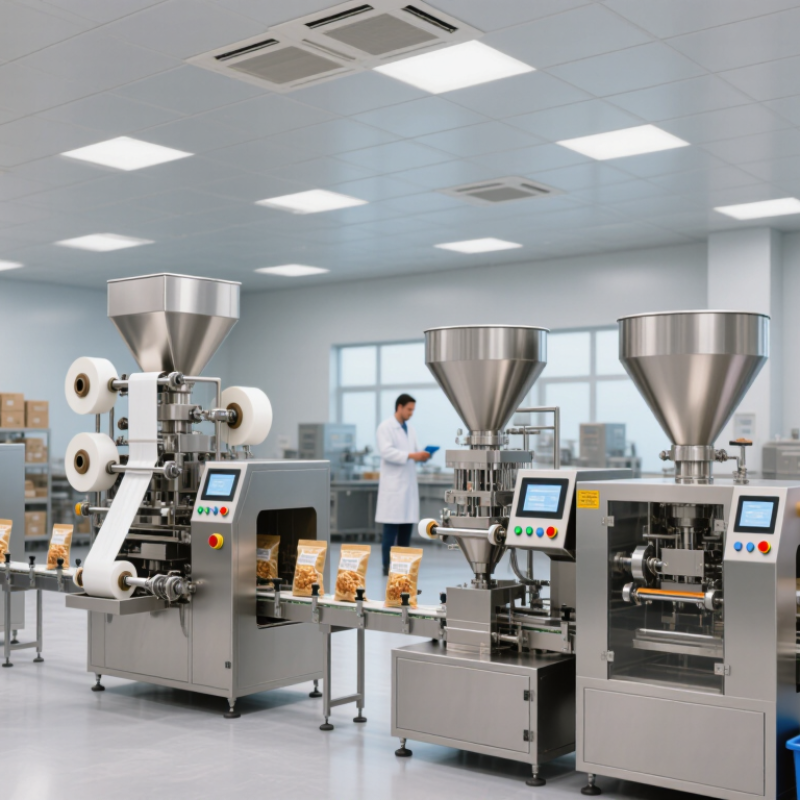
Food packaging manufacturers produce machines for nearly every step between a prepared product and a sealed case. Filling systems handle liquids, sauces, powders, and chunky foods; operators often adjust nozzles or augers to control drips and portion weight. Form-fill-seal machines shape film, fill packs, and close them in one line. Thermoformers create trays, while vacuum and modified-atmosphere systems remove or replace air. Small details matter. A weak seal can undo careful processing.
Downstream equipment includes flow wrappers, lidding machines, labelers, date coders, checkweighers, metal detectors, case packers, and palletizers. Some lines also use vision systems to inspect seals and printed codes. The FAO’s 2023 report on SDG progress estimated that 13.2% of food was lost between harvest and retail in 2021; suitable packaging can help protect products, though it cannot solve every cause of loss. Grand View Research valued the global food packaging market at USD 363.9 billion in 2023. That context helps explain demand for flexible equipment, not a guarantee of machine sales. I would still verify a line’s actual needs against product texture, cleaning time, and changeover frequency. The right machine on paper may be awkward on a real shift.
| Machine Category | What It Does | Common Package Formats | Typical Food Applications | Common Features and Options |
|---|---|---|---|---|
| Vertical Form-Fill-Seal (VFFS) Machine | Forms a bag from a roll of flexible film, fills it with product, and seals the package. | Pillow bags, gusseted bags, block-bottom bags, and sachets | Rice, grains, snacks, frozen vegetables, powders, and pet food | Multihead or auger dosing, date coding, gas flushing, and zipper application |
| Horizontal Form-Fill-Seal (HFFS) Machine | Forms and seals flexible packages around products fed horizontally through the machine. | Flow wraps, fin-seal packs, and three-side-seal pouches | Bakery products, snack bars, confectionery, fresh produce, and ready-to-eat foods | Product collation, printed-film registration, modified-atmosphere packaging, and easy-open features |
| Premade Pouch Filling and Sealing Machine | Opens preformed pouches, doses product, and seals the pouch. | Stand-up pouches, flat pouches, spouted pouches, and zipper pouches | Sauces, coffee, dried fruit, nuts, soups, and pet treats | Pouch opening checks, liquid or granular filling, zipper closing, and gas flushing |
| Liquid Filling Machine | Measures and dispenses liquid or semi-liquid food into containers. | Bottles, jars, cups, tubs, and pouches | Beverages, edible oils, dairy products, dressings, syrups, and sauces | Volumetric or mass-based dosing, anti-drip nozzles, level filling, and container indexing |
| Weighing and Dosing System | Measures a target quantity of product and feeds it to a packaging machine or container. | Used with bags, trays, cups, cartons, and jars | Whole or cut produce, snack foods, frozen foods, grains, powders, and confectionery | Multihead weighing, linear weighing, checkweighing, and product-feed control |
| Tray Sealing Machine | Applies lidding film to a tray and heat-seals it to the tray flange. | Rigid or semi-rigid trays with flat or compartmented bases | Fresh meat, seafood, prepared meals, produce, and ready-to-eat foods | Vacuum or gas flushing, film cutting, seal inspection, and change parts for different tray sizes |
| Thermoforming Packaging Machine | Heats and forms a lower web into package cavities, fills them, and seals them with a top web. | Vacuum packs, modified-atmosphere packs, and formed trays | Cheese, sliced meat, seafood, fresh pasta, and prepared foods | Vacuum packaging, gas flushing, forming-tool changes, and printed or clear top film |
| Vacuum Chamber Packaging Machine | Removes air from a bag inside a chamber and heat-seals the bag. | Flexible vacuum bags and pouches | Meat, cheese, fish, coffee, and bulk food ingredients | Single or double chambers, adjustable vacuum settings, and gas-flush options on selected models |
| Cartoning Machine | Forms or loads cartons, inserts products, and closes the cartons. | Folding cartons and sleeves | Cereal, confectionery, frozen foods, tea, and multipacks of packaged foods | Product grouping, leaflet insertion, tuck-in or glued closures, and carton coding |
| Case Packer and Case Erector | Forms shipping cases and packs filled retail packages into cases for distribution. | Corrugated cases, trays, and wraparound cases | Packaged bottles, cans, cartons, pouches, and bags | Robotic or mechanical loading, case sealing, product collation, and case coding |
| Labeling and Coding Equipment | Applies labels or prints variable product information on packages. | Bottles, jars, cans, trays, cartons, and flexible film | Most packaged food categories | Wraparound or pressure-sensitive labels, lot and date coding, barcode printing, and vision inspection |
| Checkweigher and Metal Detector | Checks package weight or detects metal contamination as products move along a line. | Packaged products on conveyors, including bags, cartons, and trays | Packaged foods where weight control or foreign-body detection is required | Automatic reject systems, production records, alarms, and integration with conveyor lines |
Machine configuration, materials, output, and suitability depend on the product, package dimensions, food-safety requirements, and production-line design. This overview describes equipment categories and does not rank individual manufacturers.
"*" indicates required fields