China Top 10 Whey Hydrolyzed Peptide Suppliers?

China’s whey protein industry has expanded from basic powder processing to specialized peptide manufacturing. Whey Hydrolyzed Peptide is now used in sports nutrition, clinical nutrition, food applications, and selected wellness products. Buyers often seek faster digestion, consistent amino acid profiles, and reliable batch performance.

This introduction outlines how to assess China’s top ten suppliers beyond online rankings. The review considers manufacturing experience, enzyme hydrolysis methods, protein content, peptide distribution, solubility, taste, and documentation. A dependable supplier should provide recent certificates of analysis, microbiological results, allergen statements, and traceability records. Factory audits, sample testing, and clear communication also matter. A polished website proves very little.

Small details reveal more. Check whether the powder disperses in cool water without heavy sediment. Examine the packaging seal and lot number. Ask how the supplier controls bitterness after hydrolysis. Request evidence of quality systems, such as HACCP, ISO, or other relevant certifications. Export experience can also reduce delays and misunderstandings.

No supplier is perfect. Some companies offer strong technical support but limited customization. Others provide attractive prices with less transparent testing. That trade-off deserves attention. This guide therefore treats supplier selection as a practical comparison, not a fixed verdict. Product suitability depends on your formula, target market, regulatory responsibilities, and required certification level. The final shortlist should be verified through samples, documents, and direct factory communication. Claims may change over time, so careful buyers should review current evidence before making a decision.
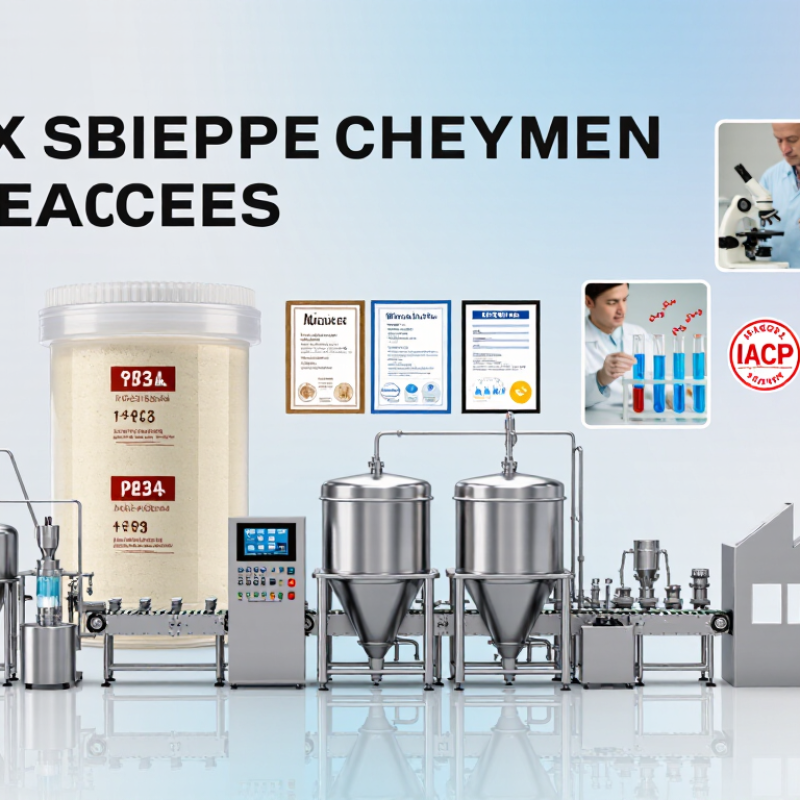
China Top 10 Whey Hydrolyzed Peptide Suppliers?

Definition and Role of Whey Hydrolyzed Peptides

Whey hydrolyzed peptides are milk proteins broken into smaller peptide chains through controlled enzymatic hydrolysis. The process improves digestion speed and may support amino acid delivery after exercise. Their nutritional value depends on peptide size, amino acid composition, and processing quality. Smaller is not always better.

In practical sourcing, Chinese suppliers should explain their hydrolysis method and provide a clear specification sheet. Buyers should check protein content, moisture, ash, lactose, solubility, and sensory performance. A reliable supplier can provide batch-specific certificates of analysis and independent microbiological testing. Traceability matters. So does consistency.

The product should dissolve smoothly in water, without excessive foam or a sharp bitter taste. Yet bitterness can still appear after deeper hydrolysis. This detail is often underestimated. Suppliers should also disclose allergen controls, storage conditions, shelf life, and production standards such as HACCP or GMP-based systems. A “top” supplier is not defined by price alone. It should demonstrate stable batches, responsive technical support, and honest communication about limitations. Some claims remain too broad. Buyers need testing, not attractive wording.

Key Quality Standards for Chinese Peptide Suppliers

China Top 10 Whey Hydrolyzed Peptide Suppliers?
Key Quality Standards for Chinese Peptide Suppliers

Supplier selection should begin with measurable quality, not a polished website. Grand View Research valued the global whey protein market at approximately USD 14.7 billion in 2023, showing strong demand for consistent raw materials. For hydrolyzed whey peptides, request protein content, peptide-size distribution, degree of hydrolysis, amino-acid profiles, moisture, and solubility results. Small differences matter. A bitter aftertaste may signal excessive hydrolysis or poor processing control.

Food safety documentation must be specific and current. Look for HACCP, ISO 22000, and good manufacturing practice systems, supported by batch-level certificates of analysis. Testing should cover Salmonella, coliforms, yeast, mold, heavy metals, allergens, and prohibited contaminants. The 2023 FAO and WHO food safety report estimates that contaminated food causes 600 million illnesses globally each year, which makes traceability more than paperwork. Ask for the testing method, laboratory qualification, sampling date, and limits used.

A reliable Chinese supplier should provide production records, ingredient origin, packaging details, and retained-sample procedures. Independent laboratory verification is useful for the first shipment and periodic audits. Still, certificates can become outdated. I would question any supplier offering perfect results without variation. Real production has variation. The key is whether controls detect it, explain it, and correct it. “Clean label” claims also need evidence, not attractive wording.

China Top 10 Whey Hydrolyzed Peptide Suppliers? - Key Quality Standards for Chinese Peptide Suppliers
Rank Anonymous Supplier Profile Typical Product Form Protein Content Degree of Hydrolysis Peptide Molecular Weight Microbiological Release Criteria Heavy-Metal and Contaminant Controls Key Qualification Evidence
1 Profile A Instantized whey hydrolysate powder ≥ 90% protein on a dry basis 15–25% Predominantly < 2,000 Da Total plate count, yeast and mold, coliforms, Salmonella and E. coli tested per batch Lead, arsenic, cadmium and mercury tested against applicable food-safety limits Batch COA; traceability records; allergen declaration; retained samples
2 Profile B Low-lactose whey peptide powder ≥ 85% protein on a dry basis 10–20% Major fraction < 3,000 Da Routine pathogen screening with documented sampling and laboratory methods Heavy metals, pesticides and veterinary-drug risks evaluated through risk-based testing HACCP-based controls; process flow diagram; manufacturing specifications
3 Profile C High-solubility whey peptide powder ≥ 90% protein on a dry basis 12–22% At least 80% below 5,000 Da Release testing for total count, yeast and mold, coliforms and specified pathogens Contaminant limits defined in the product specification and verified by periodic testing Supplier approval program; calibration records; deviation and corrective-action procedures
4 Profile D Enzymatically hydrolyzed whey protein ≥ 80% protein on a dry basis 8–18% Broad distribution, generally < 10,000 Da Microbiological limits established according to intended food application Lead and other regulated metals controlled through raw-material qualification and finished-product testing Enzyme identity and activity records; allergen cross-contact controls; COA verification
5 Profile E Sports-nutrition whey hydrolysate ≥ 85% protein on a dry basis 10–25% Peptide profile confirmed by validated analytical testing Pathogen absence requirements specified for Salmonella and E. coli Screening program for prohibited substances and undeclared adulterants where relevant Product specification; identity testing; lot coding; complaint and recall procedure
6 Profile F Whey peptide powder for beverage applications ≥ 80% protein on a dry basis 8–16% Solubility-focused peptide distribution Routine testing for total aerobic count, yeast, mold and coliforms Moisture, ash and contaminant limits controlled by approved specifications Solubility and dispersibility data; packaging validation; storage-stability information
7 Profile G Hydrolyzed whey isolate peptide powder ≥ 90% protein on a dry basis 15–30% High proportion of short-chain peptides Finished-lot microbiological release testing with documented laboratory competence Heavy-metal results linked to the specific production lot or a justified monitoring plan Raw-material origin records; change-control system; packaging integrity checks
8 Profile H Neutral-flavor whey hydrolyzed peptide ≥ 85% protein on a dry basis 10–20% Particle-size and molecular-weight distribution reported Microbiological acceptance criteria stated on the COA and product specification Control of moisture, oxidation indicators and foreign-material risks Flavor and odor inspection; sensory standards; non-conformance records
9 Profile I Rapid-dissolving whey peptide ingredient ≥ 80% protein on a dry basis 8–20% Distribution reported by size-exclusion or equivalent validated method Pathogen control program appropriate for powdered dairy ingredients Allergen, melamine and other economically motivated adulteration risks assessed Validated test methods; laboratory records; environmental-monitoring program
10 Profile J Customized whey hydrolysate peptide blend Specification agreed according to application, commonly ≥ 80% Customer-defined target range Customer-defined peptide-size profile Acceptance criteria agreed before production and verified by lot release Risk-based testing plan covering metals, pesticides and relevant contaminants Technical agreement; sample approval; audit access; full batch traceability

Quality benchmarks are based on commonly used controls for food-grade dairy peptide ingredients. Final acceptance limits should be confirmed against the destination market’s regulations, applicable Chinese food-safety standards, customer specifications and the intended use of the product. A supplier should not be ranked solely by protein percentage; identity, hydrolysis profile, microbiological safety, contaminant control, traceability and batch-to-batch consistency are also essential.

Top 10 China-Based Whey Hydrolyzed Peptide Suppliers

China Top 10 Whey Hydrolyzed Peptide Suppliers?

China-based whey hydrolyzed peptide suppliers serve sports nutrition, medical nutrition, and functional food manufacturers worldwide. A reliable top-ten shortlist should not rely on online rankings alone. It should examine production experience, processing control, documentation, and customer support. Some suppliers operate modern spray-drying lines, while others focus on smaller customized batches.

During supplier evaluation, request a recent certificate of analysis for each lot. Check protein content, peptide size distribution, degree of hydrolysis, moisture, microbiological limits, and heavy metal results. Allergen statements and raw material traceability also matter. Ask for a retained sample, sealed in a labeled pouch, before approving a larger order. The powder should dissolve consistently, without unusual sediment or harsh odor. Small details reveal process discipline.

A factory audit can provide stronger evidence than polished sales materials. Review sanitation records, calibration logs, warehouse conditions, and batch-recall procedures. Export experience is useful, but it does not replace technical transparency. No shortlist is perfect. Supplier capacity may change, and a low quotation can hide packaging, testing, or shipping costs. I would compare at least three quotations and repeat testing through an independent laboratory before long-term cooperation. Clear communication matters too. A dependable supplier answers difficult questions directly and records agreed specifications in writing.

How to Compare Suppliers, Products, and Certifications

Choosing among China’s top ten whey hydrolyzed peptide suppliers requires more than comparing prices. Review their manufacturing experience, raw material controls, and export documentation. A credible supplier should explain whey origin, hydrolysis methods, peptide distribution, and processing temperatures. Ask for a recent certificate of analysis, not a recycled template. Details matter.

Compare products through measurable data. Check protein content, degree of hydrolysis, solubility, flavor, moisture, and microbiological limits. Request testing for heavy metals, allergens, and prohibited contaminants through an independent laboratory. Small samples can reveal sediment, bitterness, or poor dispersion. Taste tells part of the story. It is not enough.

Certifications deserve careful reading. Confirm whether GMP, HACCP, ISO 22000, or other certificates cover the actual production site and product category. Check issue dates, certificate numbers, audit bodies, and expiration dates. Also evaluate batch traceability, complaint handling, minimum order quantities, lead times, and stability data. A polished document can still hide weak controls. I have seen comparisons become too focused on certificates and overlook inconsistent sample quality. That mistake is easy to repeat. Supplier communication should be tested with precise questions, recorded specifications, and clear acceptance criteria before commercial purchasing.

Import, Testing, and Partnership Considerations

China Top 10 Whey Hydrolyzed Peptide Suppliers?

Import, Testing, and Partnership Considerations

Selecting a leading supplier requires more than comparing prices or protein percentages. Importers should request a complete specification, recent certificate of analysis, allergen statement, and lot traceability records. Testing should confirm protein content, peptide distribution, moisture, microbiological safety, heavy metals, and prohibited contaminants. An independent laboratory can verify critical results before shipment. This step costs more, but one failed batch costs much more. Customs documentation also matters. Check the product classification, commercial invoice, packing list, certificate of origin, and transport conditions with an experienced customs broker. Dry storage is usually essential, especially when packaging travels through humid ports.

Tips: Order a representative sample, not a showroom sample. Compare three production lots when possible. Ask how the supplier handles specification changes, delayed shipments, and customer complaints. A clear answer is useful evidence. A vague answer is a warning.

Partnership quality becomes visible after the first purchase. Discuss minimum order quantities, production lead times, batch reservation, packaging options, and technical support. Request an audit or a live factory video when travel is impractical. Confirm whether quality records remain available after delivery. Written agreements should cover testing standards, replacement terms, confidentiality, and change notifications. Some suppliers communicate well before payment, then respond slowly later. That risk is easy to underestimate. A scoring sheet helps, but it cannot measure every relationship detail. Evaluate responsiveness over several weeks before signing a long-term contract.

China Top 10 Whey Hydrolyzed Peptide Suppliers: Import, Testing, and Partnership Considerations

This chart presents a practical, non-company-specific weighting model for evaluating whey hydrolyzed peptide suppliers. Quality verification, import documentation, traceability, and long-term supply capability are prioritized before commercial terms.

The percentages represent the recommended share of a procurement evaluation score. Buyers should verify the current specification, certificate of analysis, microbiological results, allergen status, heavy-metal testing, country-of-origin documents, and customs requirements for each shipment.

"*" indicates required fields