2026 How to Recycle Steel and Aluminum Sustainably?
In the realm of sustainability, the recycling of steel and aluminum holds significant importance. As industry expert Dr. Emily Carter states, "Recycling steel and aluminum is not just about reclaiming materials; it's about preserving our planet." This highlights a crucial point; we must engage in effective recycling practices to minimize waste.
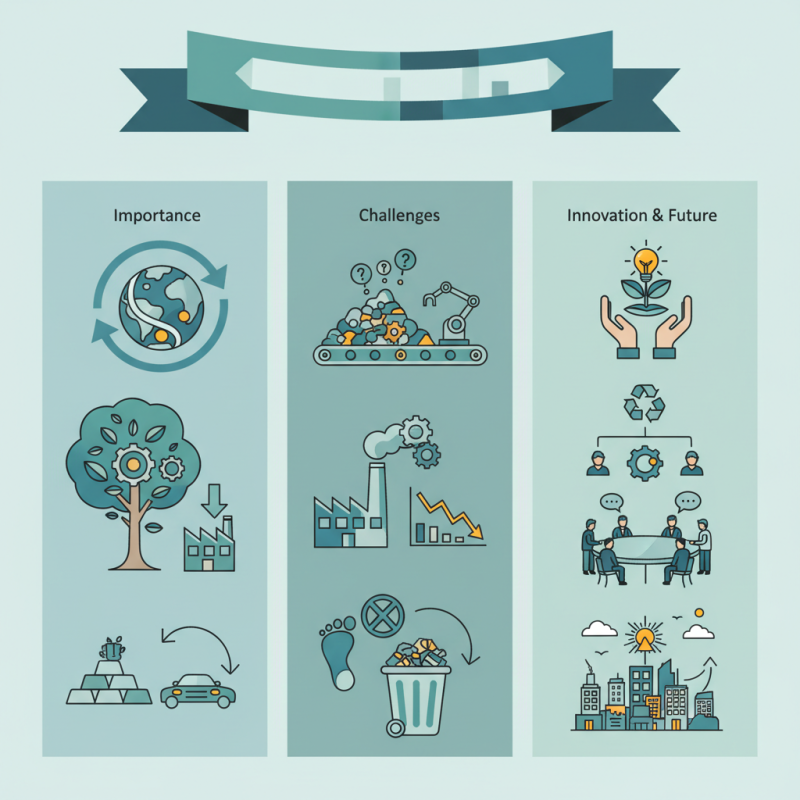
Steel and aluminum are pivotal in various consumer products, from vehicles to packaging. Yet, the recycling processes often face challenges. For instance, sorting these materials can be cumbersome and resource-intensive. Many facilities still struggle with the efficiency of their recycling systems. Insights from professionals like Dr. Carter urge us to rethink these processes and innovate for sustainability.
Additionally, the ecological footprint of steel and aluminum production cannot be overlooked. While recycling can significantly reduce energy consumption, many still overlook it due to logistical barriers. Addressing these issues is essential for progress. Continuous dialogue and improvement will pave the way for a more sustainable future in the steel and aluminum industry.
Understanding the Importance of Recycling Steel and Aluminum in 2026
Recycling steel and aluminum is essential for a sustainable future in 2026. These materials are endlessly recyclable, making them valuable resources. Steel is used in construction, transportation, and packaging. Aluminum, found in cans and foils, plays a vital role as well. Recycling reduces energy consumption significantly. It can save up to 95% of energy for aluminum production.
Despite its importance, many struggle with effective recycling practices. Contamination of materials can lead to inefficient recycling. It's crucial to clean and separate your recyclables properly. Public education on recycling methods is still lacking. Many people do not realize how to prepare items for recycling correctly. Community programs can help address these gaps.
Looking ahead, we need to improve awareness of recycling processes. Implementing better recycling systems can ensure higher rates of recovery. Innovation in technology is another key area. Advanced sorting machines can increase material purity. However, we must focus on the human element, encouraging responsible consumer habits. Not all communities have equal access to recycling facilities, which must be addressed.
Step-by-Step Process for Recycling Steel and Aluminum Efficiently
Recycling steel and aluminum efficiently is a crucial step toward sustainability. In 2021, the recycling rate for steel reached 87%, according to the Bureau of International Recycling. This is a high benchmark but not without challenges. Many facilities still face contamination issues with non-recyclable materials. This can lower the quality of recycled metal, leading to wasted resources.
The recycling process starts by collecting scrap metal. This is often done through curbside pickup or drop-off centers. After collection, sorting is essential. Steel and aluminum must be separated from other materials. Studies indicate that proper sorting can improve recycling purity by 30%. However, consumers must be aware of how they dispose of these materials to avoid contamination.
Once sorted, metal is shredded into small pieces. This makes melting more efficient and reduces energy use. On average, recycling aluminum saves up to 95% energy compared to producing new aluminum. Yet, facilities still struggle with outdated equipment. Upgrading technology can be costly but often pays off in the long run. It can lead to improved recycling rates and lower emissions.
Key Technologies and Innovations in Sustainable Metal Recycling
The recycling of steel and aluminum faces challenges that require innovative technologies. One key development is hydrometallurgical processing. This method uses aqueous solutions to extract metals efficiently. It shows promise in reducing energy consumption. However, its implementation is often limited by cost.
Another noteworthy technology is the use of artificial intelligence in sorting materials. AI can identify metals in a mixed stream, improving efficiency. This leads to higher purity levels in recycled metals. Yet, the reliance on technology raises concerns about job loss in traditional sorting roles.
Additionally, advancements in melting techniques are crucial. Induction melting systems provide energy savings and reduce emissions. Nevertheless, they require significant initial investment. This creates a barrier for smaller recycling facilities. Exploring these innovations reveals both potential and challenges in the recycling industry.
Environmental Impact: Benefits of Recycling Steel and Aluminum
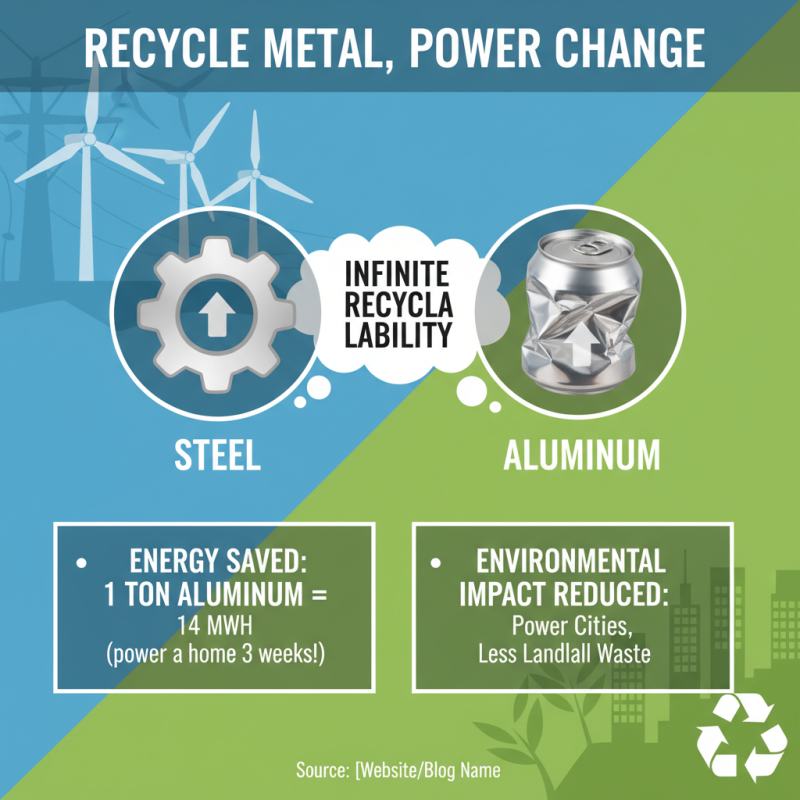
Recycling steel and aluminum play crucial roles in reducing environmental impact. These metals are highly durable and can be recycled repeatedly. The energy saved from recycling can power cities and reduce waste in landfills. Recycling just one ton of aluminum saves about 14 megawatt-hours of energy, enough to run a home for three weeks.
The process isn't perfect. Contamination can lead to inefficiencies. Plastics, for instance, mixed with metals create problems during recycling. Many people still don’t know how to sort their recyclables properly. Mistakes like this can undermine the benefits of recycling. Awareness is key. Communities need better education about the right practices.
Furthermore, the global demand for these metals increases with industrial growth. The environmental implications are significant. Mining new materials comes with habitat destruction and pollution. Consequently, investing efforts into a sustainable recycling system is critical. Each individual can contribute by recycling more often and learning proper techniques. Small changes can lead to a larger impact on our planet’s health.
Industry Standards and Best Practices for Metal Recycling in 2026
In 2026, the aluminum and steel recycling industry is evolving rapidly. New standards focus on purity and efficiency. Many facilities now prioritize the separation of metals. Clean scrap yields higher value. Yet, some recyclers still mix materials, leading to contamination.
Best practices emphasize community education. More initiatives teach the public about proper disposal methods. Workshops and online resources are gaining traction. However, not everyone is engaged or informed. A gap remains in understanding specialized requirements for different metals.
Technology plays a crucial role in metal recycling. Automation improves sorting processes, but not all facilities have access to these tools. Some still rely on manual labor. This creates inconsistencies in quality. Regular audits and assessments are necessary to ensure compliance with evolving standards.
2026 Steel and Aluminum Recycling Rates
This chart illustrates the projected recycling rates for steel and aluminum in 2026. Steel is expected to maintain a high recycling rate of 85%, while aluminum is also expected to remain strong at 75%. These figures highlight the industry's commitment to sustainable practices in metal recycling.