How to Source American Steel for Global Procurement Needs?
In today's global market, sourcing American steel is both an opportunity and a complex challenge. John Smith, a leading expert in the metallurgy industry, states, "American steel provides quality and innovation that can’t be matched." This highlights the high standards set by the American steel industry. With ongoing trade policies and economic fluctuations, navigating the procurement process demands careful consideration.
American steel is known for its durability and reliability. Many businesses rely on it for construction and manufacturing. However, sourcing it effectively requires a deep understanding of the market and its players. Companies often face hurdles such as fluctuating prices and supply chain disruptions. These factors can complicate the procurement process.
Additionally, there is a critical need for transparency within the supply chain. Many organizations struggle to find trustworthy suppliers. Without clear information, the risk increases. Reflecting on these challenges can provide valuable insights. It is vital to adapt sourcing strategies for American steel in this constantly evolving landscape.
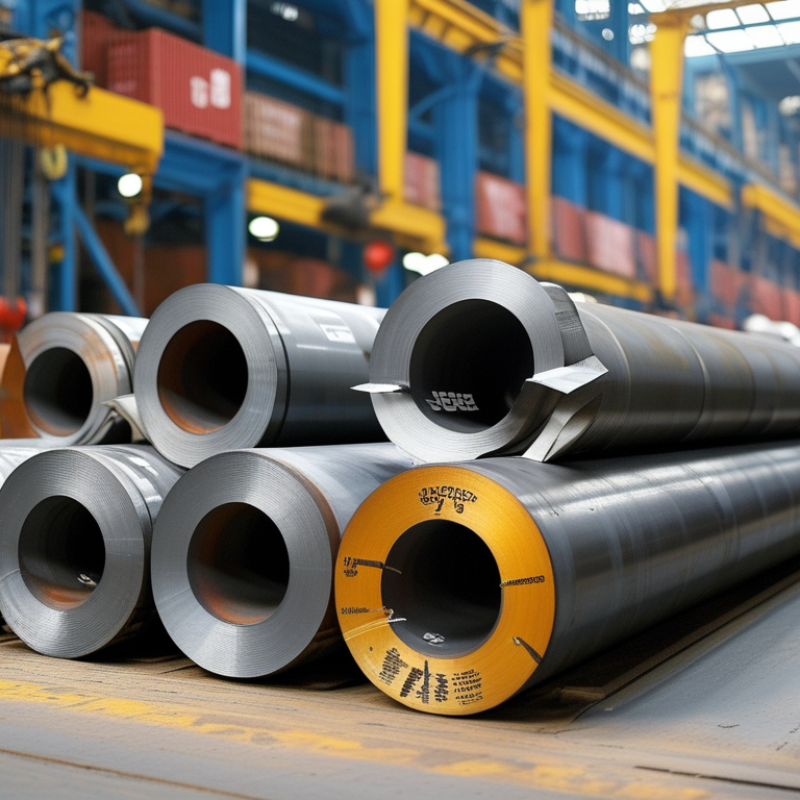
Understanding the Basics of American Steel Sourcing
When sourcing American steel, understanding the foundational aspects is crucial. The process begins with identifying suppliers who comply with industry standards. Many manufacturers pride themselves on their quality control measures. It's essential to evaluate their certifications and past projects. This step ensures the steel meets international quality benchmarks.
Communication is key in procurement. Clarity about specifications, such as grades and dimensions, can prevent multiple rounds of delays. Asking questions about production timelines and logistics offers insights into reliability. The cost may vary based on market demand, so be prepared for fluctuations.
It's important to reflect on potential challenges during sourcing. For example, regional shortages can disrupt supply chains. Establishing relationships with multiple suppliers can mitigate this risk. Additionally, remain cautious about the environmental impact of sourcing practices. Always seek transparency regarding sustainability measures from your partners. The more informed your decisions, the better your sourcing outcomes will be.
How to Source American Steel for Global Procurement Needs?
| Steel Type |
Common Uses |
Sourcing Location |
Approx. Cost per Ton (USD) |
Lead Time (Weeks) |
| Carbon Steel |
Construction, Automotive |
Midwest USA |
800 |
6-8 |
| Alloy Steel |
Aerospace, Chemicals |
Northeast USA |
1,200 |
8-10 |
| Stainless Steel |
Food Processing, Medical Equipment |
West Coast USA |
2,500 |
5-7 |
| Tool Steel |
Manufacturing, Metal Forming |
South USA |
1,700 |
4-6 |
| Reinforcing Steel |
Infrastructure, Architecture |
Midwest USA |
600 |
3-5 |
Identifying Reliable American Steel Suppliers
Identifying reliable American steel suppliers is crucial for global procurement needs. The American Iron and Steel Institute reports that the U.S. steel industry produced over 90 million tons of steel in 2022. This robust production landscape creates a diverse supplier base. However, not all suppliers are equal. Evaluating their reliability requires diligence.
When sourcing, consider supplier certifications. Organizations like the American National Standards Institute offer certification programs that reflect quality standards. Look for suppliers with an ISO 9001 certification, which indicates a commitment to quality management. Additionally, reviewing customer feedback can provide insights into a supplier's reliability.
Networking in industry-specific events can also unveil trusted suppliers. Participation connects you with manufacturers and distributors, fostering relationships that can lead to fruitful partnerships. Conducting site visits turns theoretical assessments into concrete evaluations. By experiencing operations first-hand, buyers gain a clearer picture of capabilities and quality adherence.
Researching suppliers' financial health is another vital step. Financial stability ensures that a supplier can meet long-term commitments. Explore their credit ratings and historical performance data. A reliable supplier will demonstrate a solid track record.
Engaging in local steel associations and using online databases can help in identifying potential partners. The Metal Service Center Institute's reports can aid in finding reputable steel distributors. Ultimately, a thorough vetting process will help secure trustworthy suppliers, ensuring your procurement efforts are fruitful.
Evaluating Quality and Standards in American Steel Products
When considering American steel for global procurement, understanding quality and standards is vital. The American Iron and Steel Institute (AISI) emphasizes that U.S. steel products meet stringent standards, including ASTM and ANSI specifications. These standards ensure that materials can withstand various stresses and environmental conditions. In fact, testing data shows U.S.-made steel often outperforms international equivalents in durability and resilience.
Quality assurance processes, like ISO certification, play a crucial role in assessing steel products. Many American manufacturers follow stringent quality management systems. Reports indicate that roughly 70% of steel mills in the United States are ISO 9001 certified. This certification reflects a commitment to continuous improvement and customer satisfaction. However, some mills may not adhere strictly to these standards, leading to variability in product quality.
It's essential to analyze source certifications and materials testing as you evaluate potential suppliers. The Federal Highway Administration suggests that improper quality assessments can lead to significant project delays and cost overruns. Thus, potential procurement strategies should include thorough reviews of manufacturer history and reliable testing methods. Building strong relationships with suppliers can help ensure consistency in quality.
Navigating Logistics and Shipping for Global Procurement
Navigating logistics and shipping for global procurement can be complex, especially when sourcing American steel. Understanding various shipping options is essential for a smooth process. The journey from American manufacturers to international clients involves multiple steps, each with its own set of challenges. Importers must consider customs regulations, tariffs, and transportation methods.
One effective approach is to establish a strong partnership with reliable logistics providers. Communication with these partners is crucial. They can help navigate the intricate shipping landscape and ensure timely delivery. Flexibility in shipping methods can also open up cost-saving opportunities. Air freight offers speed but at a premium, while sea freight is economical but requires patience.
When sourcing American steel, consider the seasonality of shipping routes. Peak seasons can lead to delays and increased costs. Monitor the market trends and adjust procurement schedules accordingly. Be ready to reassess logistics strategies as circumstances change. A proactive attitude can mitigate risks and unexpected challenges in the global supply chain. Always prioritize building relationships with competent agents to streamline the process.
Establishing Long-Term Relationships with Steel Suppliers
Establishing long-term relationships with steel suppliers is crucial for effective global procurement. Trust and reliability are foundational. Choose suppliers who demonstrate consistent quality and timely deliveries. Engage in open dialogues to understand their capabilities and limitations. This transparency builds confidence and fosters collaboration.
Building these relationships takes time and effort. Visit suppliers’ facilities to better understand their operations. Hands-on engagement can uncover insights not visible in contracts or emails. Regular audits and feedback sessions can enhance the partnership. Reflection on past dealings will help identify areas for improvement.
Consider the following tips: Prioritize communication to maintain alignment. Consistent check-ins can help address concerns before they escalate. Set clear expectations from the outset, but also be flexible. The steel industry can be unpredictable. Adjusting to changes together will strengthen your bond and ensure stability in procurement. Trust, patience, and adaptability are key elements in nurturing these valuable relationships.
Steel Procurement Overview: Sourcing American Steel