Why Choose Monel 400 Plate for Your Industrial Applications?
When selecting materials for industrial applications, the choice can significantly impact performance. The Monel 400 Plate is a remarkable option due to its unique properties. This alloy, primarily composed of nickel and copper, excels in various corrosive environments. It resists pitting and stress corrosion, making it ideal for marine and chemical applications.
Industries rely on Monel 400 Plate for its durability and strength. It withstands extreme temperatures and harsh conditions. This reliability translates to longer equipment life and reduced maintenance costs. However, some may hesitate due to its higher price compared to standard steels. Yet, the long-term benefits often outweigh initial expenses.
Engineers and decision-makers should evaluate the specific needs of their projects. Monel 400 Plate could be the solution they overlook. Its versatility in industries like oil and gas showcases its crucial role. By understanding its applications and advantages, professionals can make informed decisions.
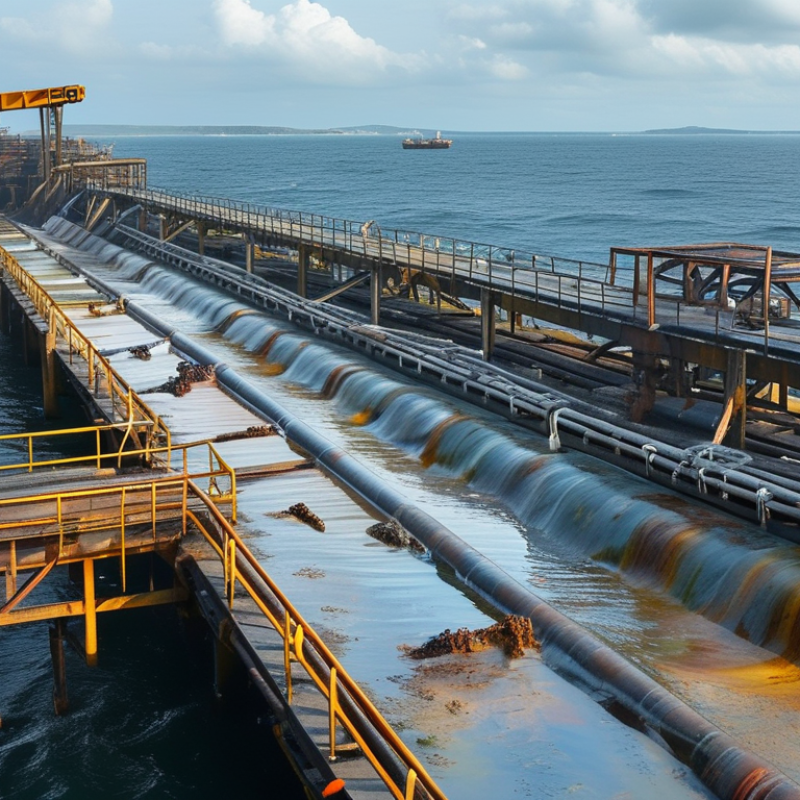
Benefits of Using Monel 400 Plate in Industrial Settings
Monel 400 is a nickel-copper alloy widely used in industrial applications. Its unique properties make it ideal for environments that are both chemically aggressive and highly corrosive. According to a report by the Nickel Institute, Monel 400 exhibits excellent resistance to corrosion in seawater and acidic environments. This makes it a preferred choice for industries such as marine, chemical processing, and oil and gas.
The strength of Monel 400 is another crucial benefit. It retains high mechanical resistance at elevated temperatures, outperforming many stainless steels. For instance, the ASTM standards indicate that Monel 400 can withstand temperatures up to 1,000°F without losing its structural integrity. This capability ensures reliability in demanding conditions, reducing the need for frequent replacements.
However, working with Monel 400 is not without challenges. Fabrication can be complex due to its hardness. Skilled professionals are required for machining and welding tasks, which adds to the overall cost. Moreover, while Monel 400 excels in specific environments, it may not be as effective in situations with strong oxidizing agents. Understanding these nuances is vital for making informed decisions in material selection for industrial applications.
Key Properties of Monel 400 That Enhance Performance
Monel 400 is an alloy known for its exceptional resistance to corrosion and high strength. Its unique composition, primarily consisting of nickel and copper, grants it remarkable durability in harsh environments. Data from industry reports indicate that Monel 400 can withstand corrosive conditions in marine applications, with less than 0.1% weight loss in seawater at 25°C after 30 days. This property enhances its performance in areas like oil and gas and chemical processing.
Furthermore, Monel 400 exhibits high thermal stability. This makes it ideal for applications requiring temperature fluctuations. Research suggests that it retains excellent mechanical properties, even at elevated temperatures. Notably, it can handle pressures exceeding 60,000 psi in certain contexts. However, users must consider fabrication challenges due to its toughness. Welding, for instance, might require specialized techniques.
Another key feature is its magnetic permeability. Monel 400 remains non-magnetic, allowing it to be used in sensitive electronic environments. While it presents certain challenges in machining, such as tool wear, the trade-off for its durability is often worthwhile. Engineers continue to explore its applications, balancing performance requirements with manufacturing limitations.
Common Industries and Applications for Monel 400 Plates
Monel 400 plates are integral to various industrial applications. These plates excel in environments prone to corrosion and high temperatures. Industries such as oil and gas heavily rely on Monel 400 due to its impressive resistance to seawater and various acids. The material's ability to perform in extreme conditions is supported by data showing a 30% reduction in corrosion-related failures compared to stainless steel in similar settings.
Marine engineering also benefits significantly from Monel 400. Marine structures, which face harsh conditions, utilize this alloy for pumps and valves. Reports indicate that structures employing Monel can enhance service life by up to 40%. This longevity makes a strong case for its use in submerged applications, where maintenance is challenging and costly.
In chemical processing, Monel 400 plates withstand corrosive chemicals that can degrade other materials. Statistics from industry reports highlight that nearly 25% of chemical plant failures stem from material degradation. Monel’s stability under these conditions can mitigate risks and improve safety. These applications underscore the value of Monel 400 plates in diverse sectors, ensuring reliability and performance in demanding environments.
Comparative Analysis: Monel 400 vs. Other Alloys
Monel 400 is a nickel-copper alloy known for its excellent corrosion resistance. It's especially effective in harsh environments, like marine and chemical processing industries. When comparing Monel 400 to other alloys, such as stainless steel or titanium, its unique properties stand out. For instance, it can withstand high temperatures and resist pitting from saltwater.
Stainless steel is widely used, but it can corrode in certain environments. Monel 400 does not suffer the same fate, making it a reliable choice for various applications. Titanium has high strength but is often more expensive. For those operating on tighter budgets, Monel 400 offers comparable performance without the steep cost.
Each alloy has its strengths and weaknesses. Monel 400 is not as strong as some high-strength alloys, affecting its use in certain applications. However, its thermal and chemical resistance often outweighs this disadvantage. This complexity in material choice encourages a deeper examination of project requirements. Understanding these differences helps engineers make informed decisions in their applications.
Factors to Consider When Selecting Monel 400 for Projects
When selecting Monel 400 for industrial projects, understanding its unique properties is essential. This alloy is composed mainly of nickel and copper. Its high resistance to corrosion makes it suitable for harsh environments. Industries like marine, oil, and chemical processing frequently demand durable materials. Monel 400 operates well in both acidic and alkaline environments.
It’s important to consider the application specifics. While Monel 400 offers excellent strength, some projects may require even higher tensile properties. A thorough analysis of stress levels and temperature conditions is crucial. Unforeseen factors, such as thermal expansion or galvanic corrosion, can negatively impact performance. Therefore, careful material assessment can lead to better outcomes.
Cost is another factor to keep in mind. Monel 400 can be more expensive than other materials. Budget constraints might limit its use in smaller projects. However, the long-term durability can justify the upfront costs. Balancing immediate expenses with future savings requires thoughtful planning.
