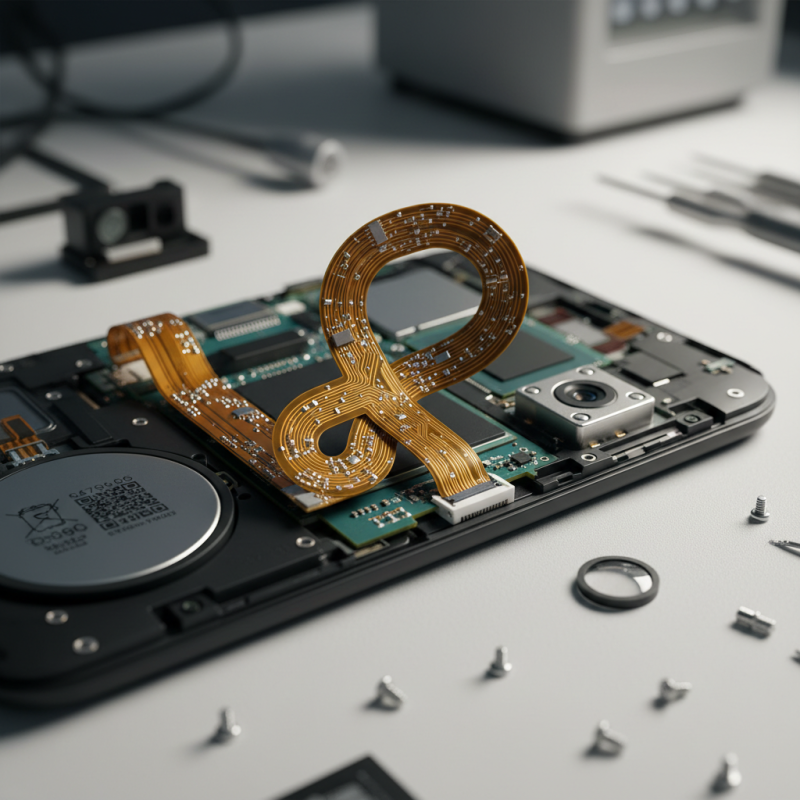
What is a Flexible PCB and How is it Used?
Flexible Pcbs, or printed circuit boards, have revolutionized electronics. They provide a unique design that accommodates various applications. The flexibility in their structure allows them to bend, twist, and fit into compact spaces.
These boards are widely used in smartphones, wearables, and medical devices. They enable lighter and thinner designs while maintaining performance. However, not all flexible PCBs are created equal. Some may face challenges related to durability and reliability. Ensuring quality can be tricky.
While their adaptability is appealing, there are limitations. Manufacturing processes can lead to imperfections. It's essential to reflect on these issues. Understanding the balance between flexibility and durability is crucial when choosing flexible PCBs for specific needs.
Definition and Characteristics of Flexible PCBs
Flexible printed circuit boards (PCBs) are versatile components with distinct characteristics that enhance electronic device design. These boards can bend and twist, fitting into compact spaces. Unlike traditional rigid boards, flexible PCBs are lighter and thinner, often made from materials like polyimide or polyester. This adaptability leads to innovative designs in sectors like consumer electronics, automotive, and medical devices. Flexible PCBs can be produced in various shapes, allowing for greater freedom in layout.
Statistical data highlights their growing importance. The flexible PCB market is projected to reach $31.1 billion by 2028, showing a 10.24% annual growth rate. This demand stems from the need for smaller, more efficient electronics. However, developing flexible PCBs can be challenging. The manufacturing process requires precise techniques. Any mistake can compromise performance. Ensuring reliability in flexing applications remains a hurdle. The complexity of integrating components can lead to higher costs in production.
These attributes make flexible PCBs a popular choice, yet challenges persist. The durability of flexible materials needs consideration. As devices become more intricate, there is a risk of failure when subjected to mechanical stress. Designers must balance flexibility and reliability. Ultimately, while flexible PCBs offer numerous advantages, they also bring a set of criteria that demand careful evaluation in modern electronics.
Materials Used in Flexible PCB Manufacturing
Flexible PCBs are made from various materials, each chosen for specific properties. The most common base material is polyimide. This resin offers excellent thermal stability and flexibility, allowing the PCB to bend without breaking. Another material used is polyester, which is more cost-effective but has lower heat resistance.
Conductive layers can be made from copper or silver. Copper is widely used due to its conductivity and cost-effectiveness. Silver, while more expensive, has superior conductivity and is sometimes chosen for high-performance applications. Additionally, flexible PCBs often include an adhesive layer. This layer bonds materials together while ensuring flexibility.
Tips: When selecting materials for flexible PCBs, consider the intended application. Think about the environment, temperature fluctuations, and flexibility requirements. Not all materials work for every project, so assess your needs carefully.
Choosing the right material is crucial, but it can be challenging. Sometimes, one might overlook the long-term effects of material degradation. Researching and testing options can save future headaches. Always ensure that the materials align with your design goals.
Materials Used in Flexible PCB Manufacturing
Common Applications of Flexible PCBs in Various Industries
Flexible printed circuit boards (PCBs) have gained traction across multiple industries. Their adaptability makes them ideal for applications needing compact designs. According to a recent industry report, the flexible PCB market is expected to reach USD 50 billion by 2025, driven by increasing demand in consumer electronics and medical devices.
In the automotive sector, flexible PCBs contribute to advanced safety systems and infotainment setups. They are used in airbag sensors and dashboard displays. A study found that 40% of new vehicles will incorporate some form of flexible circuitry by 2024. However, challenges exist. Manufacturing irregularities can lead to malfunctions, complicating integration into intricate vehicle designs.
Medical devices also benefit from flexible PCBs, especially in wearable technologies. They enable innovative health monitoring solutions. Reports show that the wearable medical device market will expand at a CAGR of 24% through 2026. But, the complexity of design can hinder production efficiency. As industries evolve, the need for rigorous testing increases to ensure reliability and performance. The journey of flexible PCBs is one of promise, but it also requires careful consideration of manufacturing techniques.
What is a Flexible PCB and How is it Used? - Common Applications of Flexible PCBs in Various Industries
| Application Area | Description | Benefits |
| Consumer Electronics | Used in smartphones, tablets, and wearables for circuit interconnections. | Lightweight and compact design allows for slim devices. |
| Medical Devices | Incorporated in devices like portable ECG monitors and medical imaging equipment. | Flexibility helps in maintaining compact forms and easy integration into devices. |
| Automotive Industry | Used in dashboard controls, electronic displays, and sensors. | Durability in harsh environments and weight reduction. |
| Aerospace | Employed in avionics and various control systems. | High reliability and performance in critical applications. |
| Telecommunications | Integrated into mobile networks and satellite communications. | Enables high-frequency signal transmission and minimizes signal loss. |
Advantages of Flexible PCBs Over Rigid PCBs
Flexible PCBs have gained significant attention in recent years, mainly due to their unique advantages over rigid PCBs. These advantages are not just theoretical; industry reports indicate that the flexible PCB market is projected to grow from $14 billion in 2020 to over $25 billion by 2026. This staggering growth underscores their increasing importance in various sectors.
One primary advantage of flexible PCBs is their ability to conform to limited spaces. This flexibility allows for lighter and more compact designs in devices like smartphones and wearables, where space is at a premium. Moreover, flexible circuits can endure bending and twisting, making them ideal for applications in medical devices and robotics. A study indicated that flexible PCBs can reduce assembly costs by up to 40%, which is appealing in today’s cost-sensitive market.
However, it's essential to acknowledge the challenges associated with flexible PCBs. While they offer many benefits, issues with reliability and manufacturing complexity remain. These circuits often require specialized production processes, which can lead to higher costs if not managed correctly. There’s also the potential for increased failure rates under stress, making thorough testing crucial. The balance between innovation and practicality must be navigated carefully to fully leverage the advantages of flexible designs.
Design Considerations for Flexible PCB Development
When developing flexible PCBs, several design considerations are crucial. The choice of materials directly impacts performance. The substrate must resist bending and stretching without breaking. Multiple layer configurations can enhance capabilities but complicate the manufacturing process. Balancing flexibility and durability is often tricky.
Another key aspect is the layout. Components need careful placement to avoid stress points. Tight spaces may lead to challenges in soldering and signal integrity. Designers should also think about how the PCB will behave in different environments. Temperature changes can influence performance differently in flexible designs.
Testing and validation are essential. Prototyping helps identify potential issues before mass production. Feedback is valuable, as flexibility in design can lead to unforeseen complications. Engineers must be willing to revisit and refine their designs continuously.