"*" indicates required fields
China remains a major force in global metals manufacturing, but scale does not guarantee quality metal. The World Steel Association reported global crude steel production of approximately 1.88 billion tonnes in 2024. China contributed more than half of that volume. This capacity creates opportunity, yet it also makes supplier selection more complex. Buyers must examine production evidence, not attractive catalog photographs.
Andrew Carnegie, a steel-industry pioneer, once observed, “As I grow older, I pay less attention to what men say; I just watch what they do.” His principle still fits modern sourcing. A dependable Chinese supplier should provide verifiable mill test certificates, heat numbers, chemical analysis, mechanical results, and clear material traceability. ISO 9001 certification helps, but it does not replace an independent factory audit. That assumption can fail.
Reports from the International Organization for Standardization and the OECD stress consistent quality systems, documentation, and responsible supply-chain controls. Therefore, this guide examines practical checks before signing a purchase order. It covers supplier verification, applicable ASTM, EN, or GB standards, sample testing, third-party inspection, and shipment documentation. Request a recent production sample. Compare its dimensions, surface condition, and test results with the quotation. Then confirm whether the certificate matches the actual heat number.
Small details matter.
A supplier may respond quickly and still lack process discipline. Conversely, a smaller factory may offer excellent technical control. Price alone is a weak signal. The strongest decision combines factory experience, engineering communication, transparent records, and repeatable inspection results. The process is not perfect, but disciplined verification sharply reduces costly surprises.

A reliable sourcing process begins with a precise product definition. State the metal type, grade, dimensions, thickness, surface finish, and acceptable tolerances. Include drawings, material standards, and expected monthly volume. A vague request produces vague quotations.
Be specific.
Describe how the metal will be used. A structural component needs different strength data than a decorative panel. Specify cutting methods, welding requirements, hardness, corrosion resistance, and packaging details. Request samples made with the same process as mass production. Small samples can reveal scratches, warping, uneven edges, or inconsistent color.
Your supplier requirements should be equally clear. Look for relevant production equipment, trained inspectors, material traceability, and documented testing procedures. Ask whether the factory can provide inspection reports, mill certificates, and shipment records. Confirm its experience with your product type, not merely with metal products in general.
Do not judge quality from a polished website alone. Review factory photos, sample measurements, audit documents, and communication speed. Ask how the supplier handles rejected batches. The answer matters.
My sourcing checklist has changed over time. I once focused too heavily on price and underestimated packaging damage during transport. That mistake affected delivery timing and rework costs. Now, I assess quality controls, corrective actions, lead times, and production capacity together. A supplier may meet every technical requirement but still struggle with updates. That weakness deserves attention before signing an agreement.
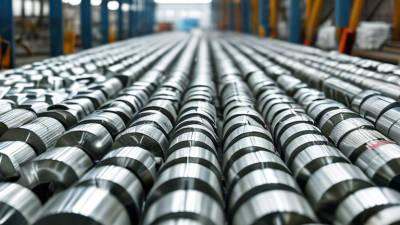
Research China’s metal supplier market before requesting quotations. Compare suppliers by material range, production capacity, export experience, and quality controls. A polished website proves very little. Ask for factory registration details, product specifications, inspection procedures, and recent test reports. Check whether the supplier can provide heat numbers, material certificates, and batch-level traceability. These details matter when a shipment contains hundreds of identical parts.
Build a shortlist of three to five candidates. Send each supplier the same drawings, tolerances, surface requirements, packaging instructions, and expected volume. Their questions can reveal technical competence. Good suppliers usually clarify alloy grades, machining allowances, coating thickness, and inspection points before pricing. Request samples from the actual production line, not only showroom pieces. Measure them independently. Photograph surface marks, edge conditions, labels, and packaging.
Use a scoring sheet. Include quality evidence, response speed, sample consistency, lead time, payment terms, and corrective-action ability. A supplier with the lowest price may create expensive delays. I once treated fast replies as proof of reliability. That was a weak assumption. The samples arrived late, and the documents needed repeated checking. Visit the factory when the order is critical, or arrange an independent audit. Look at raw-material storage, calibration records, worker instructions, and rejected parts. Do not ignore small signs, such as mixed labels or uncovered steel near a wet floor. Shortlisting is not a final verdict. It is a controlled way to reduce uncertainty.
Finding a capable metal supplier in China starts with evidence, not polished presentations. Request the business license, legal manufacturing address, export history, and named quality manager. Then compare these details with independent audit records. The 2022 ISO Survey reported more than 1.26 million ISO 9001 certificates worldwide. However, certification proves a management system exists; it does not guarantee perfect steel chemistry or machining accuracy.
Ask for process-specific proof. A serious supplier should show furnace or forming equipment, inspection tools, calibration records, and recent material test certificates. Check whether certificates match heat numbers on sample parts. For critical alloys, use an independent laboratory to verify chemical composition, hardness, tensile strength, and dimensions. The International Trade Centre’s Trade Map data can also help compare China’s export activity for the relevant metal category, but export volume alone does not prove technical capability.
Quality systems deserve closer attention than slogans. Review incoming inspection, in-process controls, nonconformance reports, and corrective-action records. Ask how the supplier handles a failed batch. Weak answers matter. A factory may hold ISO 9001 certification yet outsource key processes without clear traceability. That risk is easy to miss. A small pilot order, witnessed inspection, and documented acceptance criteria create stronger evidence than a long supplier profile. Leave room for doubt. Even a well-run audit captures one moment, not every future production shift.
| Category | Verification Dimension | Recommended Weight | Objective Evidence to Request | Verification Method | Suggested Acceptance Benchmark | Review Status |
|---|---|---|---|---|---|---|
| Credentials | Legal business identity and manufacturing location | 10% | Business registration information, registered address, factory address, ownership details, and export authorization where applicable. | Compare submitted documents with the physical site, official registration records, invoices, and bank-account information. | The contracting entity, payment beneficiary, and manufacturing site are clearly identified and consistent. | Verify |
| Credentials | Quality management certification | 12% | A current ISO 9001 certificate showing the correct legal entity, manufacturing site, product scope, certificate number, and validity period. | Confirm certificate validity through the certification body or an internationally recognized accreditation database. | Certification is current, traceable, and its scope covers the relevant metal products and production activities. | Verify |
| Credentials | Environmental and occupational safety systems | 6% | Relevant ISO 14001 and ISO 45001 certificates, environmental permits, safety procedures, and corrective-action records. | Review certificate scope and conduct a site audit covering waste handling, chemical storage, emergency controls, and worker protection. | Legal permits are available, major risks are controlled, and applicable management systems are documented and implemented. | Verify |
| Capabilities | Material and product scope | 10% | Material grades, dimensions, tolerances, surface finishes, applicable standards, and process capability documentation. | Match the supplier’s documented scope with the technical drawings, specifications, and standards in the purchase requirement. | The supplier can produce the required grade, size range, tolerance, finish, and test requirements without undocumented outsourcing. | Verify |
| Capabilities | Production equipment and process control | 12% | Equipment list, machine capacities, maintenance records, process flow charts, calibration records, and operator qualification records. | Conduct a factory audit and compare equipment capacity with the required process sequence and annual demand. | Critical equipment is available, maintained, calibrated where applicable, and operated by trained personnel. | Verify |
| Capabilities | Production capacity and delivery reliability | 10% | Capacity planning records, production schedules, historical on-time delivery data, lead-time definitions, and bottleneck analysis. | Review production records from recent comparable orders and confirm capacity during peak periods. | Capacity is supported by records, lead times are defined in writing, and contingency plans exist for critical operations. | Verify |
| Quality Systems | Incoming material control | 8% | Approved supplier list, incoming inspection procedures, heat or batch identification rules, and material certificates. | Trace a selected material batch from receiving records to production and final shipment. | Materials are inspected or verified before use, and each batch or heat can be linked to objective records. | Verify |
| Quality Systems | Product testing and laboratory competence | 10% | Inspection and test plans, test methods, equipment calibration certificates, laboratory qualifications, and sample test reports. | Check that methods reference the required product standard and that external laboratories, when used, are competent and independent. | Required chemical, mechanical, dimensional, and surface tests are defined, recorded, and performed with calibrated equipment. | Verify |
| Quality Systems | Material traceability and certification | 10% | Heat numbers, batch records, production travelers, inspection reports, and material certificates such as EN 10204 Type 3.1 when specified. | Perform a backward and forward traceability exercise from a finished product to raw material and related test results. | Traceability remains intact from raw material receipt through processing, inspection, packing, and shipment. | Verify |
| Quality Systems | Nonconformance and corrective action | 7% | Nonconformance reports, root-cause analyses, corrective-action records, customer complaint logs, and effectiveness reviews. | Sample closed cases and confirm containment, root-cause analysis, corrective action, and verification of effectiveness. | Issues are documented, investigated using a defined method, closed on time, and monitored for recurrence. | Verify |
| Quality Systems | Final inspection, packaging, and shipment control | 5% | Final inspection reports, packing specifications, preservation procedures, labeling rules, and shipping-release records. | Review a completed shipment file and inspect packaging controls for corrosion, impact, moisture, identification, and quantity accuracy. | Products are released only after required inspections are complete and packaging protects the material throughout transport. | Verify |
| Suggested use: score each dimension from 0 to 5 after document review and on-site or remote verification. Set purchase-specific requirements according to the applicable material standard, drawing, end use, and regulatory obligations. | ||||||
Quality metal sourcing in China starts with comparable samples, not attractive photographs. Request identical drawings, alloys, dimensions, surface finishes, and quantities from each supplier. Inspect edges, welds, coating thickness, and visible defects under consistent lighting. Ask for material certificates and independent test reports when performance matters. A sample that feels excellent may still hide inconsistent batch control.
Pricing needs a common format. Compare metal grade, tooling, packaging, inspection, taxes, freight, and payment terms line by line. A cheaper quote may exclude testing or protective wrapping. Request a price-validity period, especially when metal costs fluctuate. Keep one approved sample and record its weight, measurements, and finish. Small details matter. I have seen buyers compare unit prices while ignoring expensive tooling charges.
Lead times should separate production, inspection, and shipping. Ask for a written schedule with milestone dates and notice requirements for delays. Then review the contract carefully. It should define specifications, acceptable tolerances, payment stages, ownership of tooling, inspection rights, confidentiality, and remedies for rejected goods. State which party handles transport risk and import documentation. Use clear delivery terms and applicable law. Do not accept vague phrases such as “best quality” or “prompt shipment.” One weakness remains: forecasts are never perfect. A realistic buffer may protect production, but an excessive buffer can hide poor planning. Check capacity with recent order records, not promises alone.
Supplier performance depends on more than a factory visit. Start with material certificates, production capacity, and traceable batch records. Ask for recent inspection reports, not prepared samples only.
A pre-production inspection should confirm alloy grade, dimensions, surface finish, packaging, and agreed tolerances. Third-party inspectors can use spectrometers, calipers, hardness testers, and visual checks.
Shipping needs equal attention. UNCTAD’s Review of Maritime Transport reports that over 80% of global merchandise trade by volume moves by sea. Therefore, port delays, container shortages, and document errors can affect metal deliveries.
Confirm Incoterms, export documents, packing methods, and moisture protection before production starts. The World Bank’s Logistics Performance Index 2023 evaluates customs, infrastructure, tracking, and timeliness. Use these areas when reviewing a supplier’s logistics capability.
Request shipment milestones, container photos, and arrival-condition records.
Tips:
Set measurable supplier targets. Track defect rates, inspection pass rates, on-time delivery, and response time monthly.
Keep a small reserve for urgent orders. It helps, but it is not a complete solution. Reassess suppliers every quarter.
Compare promised lead times with actual arrivals. If performance declines, require a corrective-action plan with owners and deadlines.
Do not rely on friendly communication alone. Evidence matters.
Trade data changes, and suppliers change with it. Recheck assumptions regularly.
"*" indicates required fields