Essential Heat Treatment Furnaces Tips for Optimal Performance?
In the world of manufacturing, Heat Treatment Furnaces are crucial for enhancing material properties. John Smith, a renowned expert in thermal processing, once stated, "Optimizing furnace performance is essential for achieving quality results." His insight highlights the importance of these systems in industries like aerospace and automotive.
To ensure optimal functioning, careful attention is required. Regular maintenance checks are vital to avoid unexpected breakdowns. Poorly managed furnaces can lead to inconsistent heat distribution. This, in turn, negatively impacts product quality. Operators must monitor temperature settings closely.
Additionally, utilizing advanced technologies can enhance efficiency. However, many facilities still rely on outdated practices. This raises questions about the potential loss of productivity. Investing in training for staff can mitigate these risks. A well-informed team can significantly improve the operation of Heat Treatment Furnaces. Overall, ongoing reflection and adaptation are essential for success in this field.
Understanding the Basics of Heat Treatment Furnaces
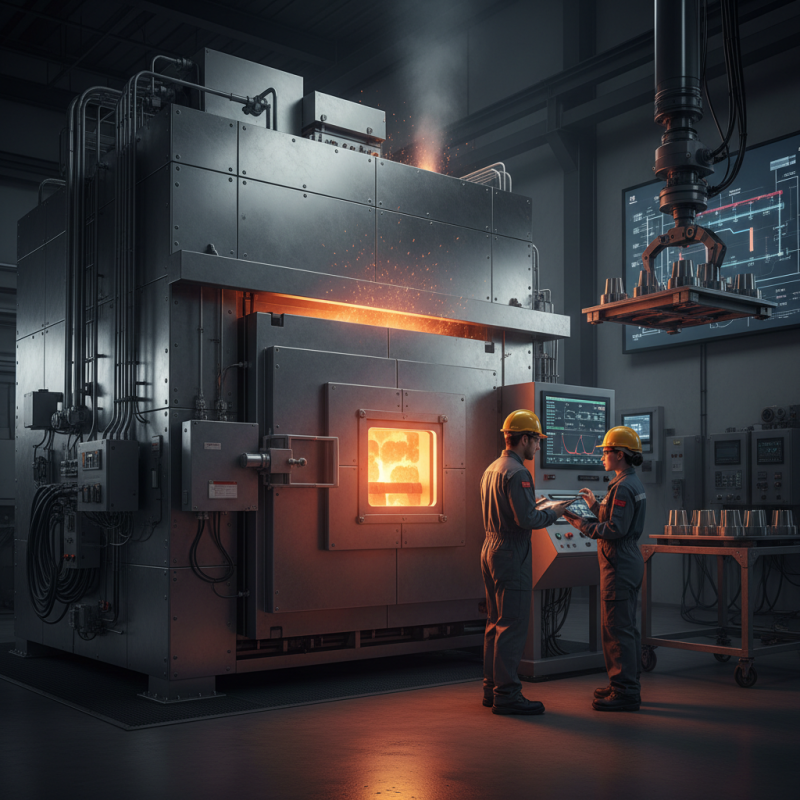
Understanding heat treatment furnaces is crucial for effective metal processing. These furnaces are designed to alter the properties of metals through controlled heating and cooling. The basics involve different heating methods, such as electric or gas-fired systems that warm the material to specific temperatures. Each method presents its own set of challenges and benefits.
One tip for optimal performance is to maintain a consistent temperature throughout the heating process. Fluctuations can lead to uneven material properties, compromising the entire operation. Regularly calibrating temperature sensors ensures reliability. Also, check your furnace's software updates. Outdated programs might miss critical safety protocols.
Another important factor is ensuring proper insulation. Poor insulation can lead to energy losses, impacting efficiency. Inspect the insulation regularly for wear and tear. If you notice any gaps, it may be time for repairs. Lastly, a clean furnace is a more efficient furnace. Remove any contaminants and product residues that could interfere with the process. Regular maintenance might seem trivial, but these simple practices can significantly enhance performance.
Essential Heat Treatment Furnaces Performance Metrics
This chart illustrates the performance of various heat treatment furnaces based on their operating temperatures. Monitoring and optimizing these temperatures is crucial for ensuring the efficiency and effectiveness of the heat treatment process.
Types of Heat Treatment Processes and Their Applications
Heat treatment processes are vital in various industries. They enhance the properties of metals and alloys. Common methods include annealing, quenching, and tempering. Each has specific applications, serving differing needs.
Annealing softens materials for improved workability. It can reduce internal stresses. This process is essential in making metals easier to shape. Quenching, on the other hand, rapidly cools metals to harden them. It’s used mainly for high-carbon steels. However, improper quenching can lead to warping or cracking.
Tempering follows quenching. It reduces brittleness while maintaining hardness. Without careful tempering, the desired balance may not be achieved. These processes often require precise temperature control. Key factors such as time and cooling rates are critical. Mistakes in any stage can compromise the final product's quality. Understanding these nuances is crucial for optimal performance.
Key Factors Influencing Furnace Performance and Efficiency
Heat treatment furnaces are vital for various industries. Performance and efficiency are influenced by several key factors. These include temperature control, insulation quality, and atmosphere management. Recent industry studies reveal that proper temperature control can improve production efficiency by up to 25%. This improvement highlights the importance of precision in heating processes.
Optimizing insulation is another critical aspect. Inefficiencies in insulation can lead to heat loss, impacting both performance and energy costs. Up to 15% of energy consumption may be attributed to poor insulation. Regular assessments and upgrades can minimize these losses.
Tips for furnace optimization include regular maintenance checks. Investing in quality sensors for temperature control enhances accuracy. Also, consider periodic training for operators. Knowledgeable staff can make a significant difference in furnace operation. Reflect on current practices; are they yielding the best results? Continuous improvement is essential in maintaining peak performance. Strive for excellence, and your furnaces will deliver optimal results.
Best Practices for Maintenance and Troubleshooting of Furnaces
Maintaining heat treatment furnaces is crucial for optimal performance. Regular checks on temperature and pressure gauges help ensure accuracy. Without these checks, discrepancies could lead to product defects. Proper calibration should be scheduled every six months.
Keep furnaces clean to avoid buildup. Dust and residue can affect efficiency and lead to overheating. Use a soft brush or vacuum for light cleaning. Periodic deep cleaning is also necessary, but it often gets overlooked. A team member must be assigned this vital task.
Troubleshooting common furnace issues helps managers identify concerns early. Look for unusual noises or irregular temperature readings. These signs indicate potential malfunctions. Documenting these observations can assist technicians during repairs. Relying only on scheduled maintenance may lead to costly failures. Regular inspections are essential for the lifespan of the equipment; neglecting them can be a costly mistake.
Safety Guidelines and Precautions for Operating Heat Treatment Furnaces
Operating heat treatment furnaces requires strict adherence to safety guidelines. Understanding these protocols can prevent accidents. Always wear personal protective equipment (PPE) like gloves and goggles. Proper clothing, made from fire-resistant materials, is essential too.
Before starting the furnace, inspect all components. Look for wear and damage. Establish a routine for checking temperature and pressure gauges. Ensure ventilation systems are working. This prevents toxic fumes from accumulating. If something seems off, don’t ignore it. Address the issue immediately.
Training is crucial. Not every operator is familiar with oven functions. Regular training can highlight potential hazards. Encourage open communication about safety concerns. Discuss recent incidents, no matter how minor. Reflect on what to improve. Each precaution makes a difference in performance and safety.
