What You Need to Know About Electrical Steel for Global Sourcing
In the evolving landscape of global sourcing, understanding electrical steel is crucial. Dr. Emily Chen, a leading expert in the industry, emphasizes, "The future of electrical steel is tied to innovation and sustainability." This statement highlights the significance of electrical steel in various applications, from electric vehicles to renewable energy technologies.
Electric steel plays a vital role in transformer and electric motor efficiency. Manufacturers focus on enhancing its magnetic properties for better performance and energy savings. However, sourcing high-quality electrical steel can be challenging. There are numerous suppliers worldwide, each with different standards and specifications.
Navigating this complex market demands careful consideration. Buyers need to assess quality over price. Importantly, the relationship with suppliers should prioritize transparency and reliability. As the demand for electrical steel continues to grow, ongoing discussions about material sourcing and production methods are more relevant than ever. The industry must reflect on its practices to improve and evolve.

Understanding the Basics of Electrical Steel and Its Importance
Electrical steel plays a vital role in modern technology. It is essential for manufacturing transformers, electric motors, and generators. Understanding its basic properties helps in global sourcing decisions. Electrical steel is designed to reduce energy losses, which maximizes efficiency in electrical devices. Its magnetic properties are crucial for performance.
Tips: When sourcing electrical steel, consider the grade needed for your application. Different grades offer varying magnetic properties and core losses. Researching suppliers thoroughly is also important. Look for certification and reliability.
The global market for electrical steel is complex. Factors like geographical availability and production costs vary widely. This makes sourcing a challenge. Quality can also fluctuate. It’s vital to evaluate suppliers regularly to ensure consistency in materials. Even the best-sourced materials can sometimes disappoint. Keep an open line of communication with your suppliers. It can lead to better understanding and improved partnerships.
Key Properties and Types of Electrical Steel for Global Applications
Electrical steel plays a crucial role in various global applications, especially in electric motors and transformers. Its key properties include high magnetic permeability and low core loss. These characteristics enable efficient energy conversion and minimize wasted electricity. When sourcing electrical steel, understanding the different types is essential. There are two primary categories: silicon electrical steel and non-oriented electrical steel.
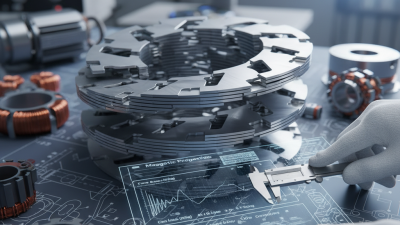
Silicon electrical steel is preferred for transformer cores due to its superior magnetic properties. Non-oriented electrical steel is commonly used in electric motors, offering excellent performance in rotary applications. Attention to detail in selecting the right type can significantly impact efficiency and overall system performance.
Tips: Always verify the specifications before purchasing. Minor discrepancies can lead to increased energy loss. Assessing production capabilities of suppliers is also vital. Consider testing samples to ensure compatibility with your specific requirements. Digging deeper into the supplier's history can disclose valuable insights into their reliability. Be cautious; not all materials labeled as electrical steel perform the same.
Global Sourcing Strategies for Electrical Steel: What to Consider
When sourcing electrical steel globally, a thorough understanding of market dynamics is crucial. This material is essential in manufacturing various electrical components, such as transformers and motors. Different regions may have unique suppliers, production techniques, and quality standards. Assessing these factors is vital to ensure that sourced materials meet specific project requirements.
Evaluating supplier reliability and technical capabilities is equally important. Not all suppliers adhere to the same industry standards. Some may deliver quality products but lack customer service. This discrepancy can lead to disruptions in the supply chain. It’s also essential to consider geopolitical factors that may affect sourcing, such as tariffs or trade agreements. Engage with various stakeholders to gather insights and navigate these complexities.
Cost is another pivotal consideration in global sourcing. While lower prices may be appealing, they can compromise quality. Striking a balance between cost efficiency and material quality will yield the best results. Sometimes, the cheapest option may lead to higher costs in the long run due to failures or inefficiencies. Conducting cost-benefit analyses is a strategic move here. Embrace the challenges and remain open to refining your sourcing strategies for better outcomes.
Global Sourcing of Electrical Steel: Key Considerations
Major Suppliers and Regions Leading in Electrical Steel Production
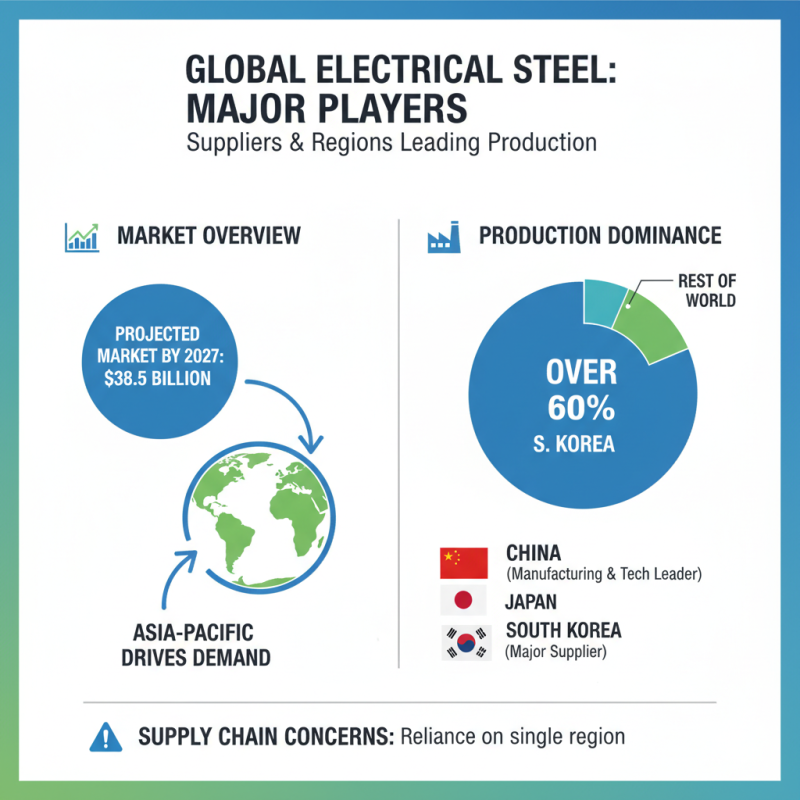
When discussing electrical steel, it's crucial to look at the major suppliers and production regions. The global electrical steel market is projected to reach $38.50 billion by 2027. A significant portion of this demand comes from Asia-Pacific, notably China, Japan, and South Korea. These countries dominate production, accounting for over 60% of the entire market. China’s leading status in manufacturing highlights its technological advancements. However, reliance on a single region raises concerns about supply chain vulnerabilities.
In Europe, countries like Germany and Italy are prominent players in electrical steel production. The European market emphasizes high-quality materials, adhering to strict environmental regulations. In fact, the EU’s Green Deal impacts how electrical steel is produced. Some manufacturers face challenges in balancing sustainability with production demands. This inconsistency may affect overall market stability.
North America is also an important region, led by the United States. The projected compound annual growth rate (CAGR) for electrical steel in North America is around 4.5% from 2022 to 2027. Yet, domestic production relies on imports for various specialized grades of steel. This mix creates potential risks for manufacturers needing quick access to specific types. The intricate web of global sourcing necessitates careful consideration of these regional dynamics.
Challenges and Trends in the Electrical Steel Market Worldwide
The global electrical steel market faces significant challenges and trends that impact sourcing strategies. As per a recent market analysis, demand for electrical steel is projected to grow at a CAGR of 4.5% through 2027. This growth is largely driven by the rise of renewable energy technologies and electric vehicles. However, sourcing electrical steel globally can be intricate due to fluctuating supply chains and raw material prices.
One major challenge is the reliance on specific alloys for production. Suppliers may face difficulties meeting standards due to varying quality controls across regions. The International Energy Agency has reported that electrical steel accounts for nearly 30% of energy loss in transformers. Thus, the quality of steel directly influences efficiency, which is critical for manufacturers seeking to optimize performance.
Additionally, geopolitical factors have led to uncertainty in trade agreements. Tariffs and import restrictions can hinder access to quality materials. A recent industry report highlighted that producers must adapt quickly to changes to avoid disruptions. Companies must prioritize establishing relationships with reliable suppliers. This approach can mitigate risks associated with sourcing from unstable regions. Investing in local sourcing may offer a viable alternative while addressing procurement challenges.
What You Need to Know About Electrical Steel for Global Sourcing - Challenges and Trends in the Electrical Steel Market Worldwide
| Region |
Major Challenges |
Current Trends |
Market Demand Growth (%) |
Key Application Areas |
| North America |
Supply chain disruptions, environmental regulations |
Increased focus on renewable energy sources |
4.5% |
Electric vehicles, grid infrastructure |
| Europe |
High production costs, regulatory pressures |
Shift towards high-efficiency electrical steels |
5.2% |
Wind turbines, transformers |
| Asia-Pacific |
Overcapacity, intense competition |
Rising demand for electric vehicles |
6.0% |
Electric motors, generators |
| South America |
Limited access to advanced technology |
Growing interest in local production |
3.8% |
Distribution transformers, industrial equipment |
| Middle East & Africa |
Political instability, market volatility |
Investment in energy infrastructure |
2.5% |
Power generation, renewable energy projects |