Top 5 Tips for Sourcing Tube Steel Efficiently?
When sourcing tube steel, efficiency is key for any business engaged in construction or manufacturing. Tube steel is versatile, strong, and widely used across various industries. However, many face challenges in sourcing it effectively. The market dynamics can be complex, and missteps can lead to delays and increased costs.
Understanding the nuances of tube steel procurement is crucial. Quality, specifications, and pricing all play significant roles in the selection process. Engaging with reliable suppliers is vital, but selecting the right one is not always straightforward. The experience and expertise of industry professionals can greatly influence the sourcing process.
Making informed choices requires more than just connecting with suppliers. Companies must assess their needs and analyze market trends. Frequent communication and collaboration with suppliers can unveil hidden opportunities. However, businesses should also reflect on their current practices. Continuous improvement is necessary to adapt to changing market conditions and secure the best tube steel available.

Understanding the Basics of Tube Steel Sourcing
When sourcing tube steel, understanding the basics is essential. Tube steel comes in various sizes and shapes. Recognizing the specifications is crucial before making a purchase. It ensures that you select the right material for your project’s needs. Consider the intended application of the tube steel. Different projects may require different grades and finishes.
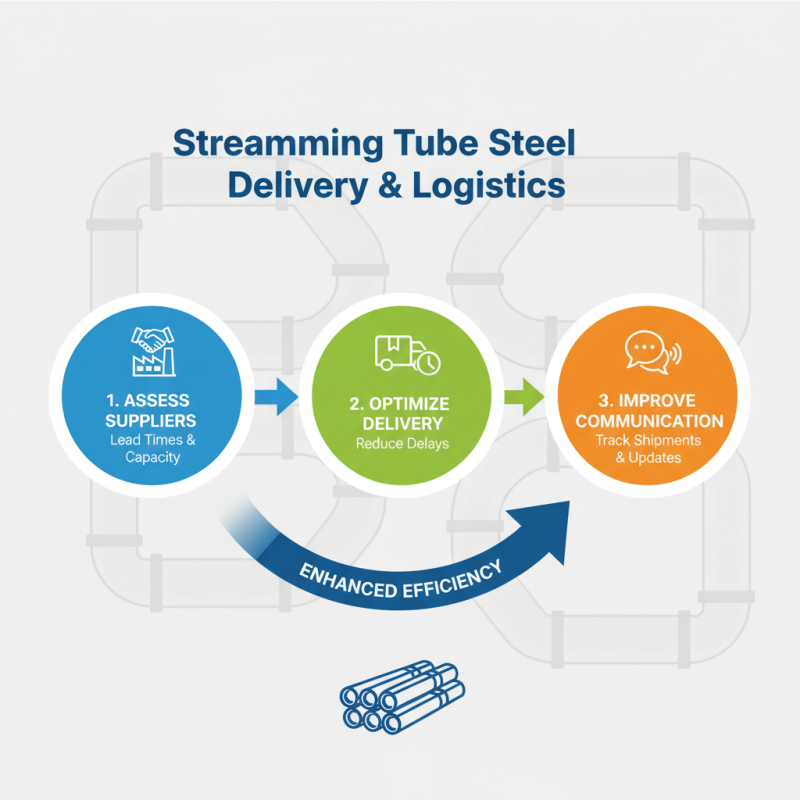
Tip one: Prioritize local suppliers. Local options can reduce shipping costs and lead times. Tip two: Compare quotes from multiple vendors. This practice helps in obtaining the best price. It's important to analyze quality versus price. Sometimes, the cheapest option may not provide reliable performance. Tip three: Build relationships with suppliers. Strong communication can lead to better deals and improved service.
Occasionally, decisions may lead to oversights. For example, overlooking the importance of correct dimensions can result in delays. Furthermore, understanding industry standards can help avoid mistakes. Make sure to stay informed on the latest trends in tube steel. Investing time in research pays off in the long run.
Identifying Reliable Suppliers for Tube Steel
When sourcing tube steel, finding reliable suppliers is crucial. A trustworthy supplier ensures consistent quality and timely delivery. Begin your search by seeking recommendations from industry peers. Personal experiences can shed light on reputable suppliers, making your choice easier.
Evaluate potential suppliers based on their track record. Ask for references and case studies. This helps you understand their reliability. Some suppliers may overstate their capabilities, so be cautious. Not all promises are kept, and you should verify claims through independent sources.
Consider visiting suppliers' facilities, if possible. An in-person inspection reveals their operational standards and quality control measures. It's also a chance to gauge their customer service. Don't overlook the importance of clear communication. Suppliers should be responsive to queries and open about their processes.
Even with research, some discrepancies may arise. A supplier might have a stellar reputation, yet customer experiences can vary. Stay vigilant after establishing a relationship. Regular follow-ups will help maintain quality expectations. Remember, efficient sourcing of tube steel hinges on collaboration and trust.
Top 5 Tips for Sourcing Tube Steel Efficiently
Evaluating Quality Standards in Tube Steel Products
When sourcing tube steel, evaluating quality standards is crucial. Tube steel must meet specific measurements, as variations can lead to structural failures. Check wall thickness, diameter, and length. These specifications impact both strength and performance. Standardized testing methods should be employed to ensure that the steel meets industry guidelines.
Another key aspect is the type of steel used in manufacturing. Different grades offer varied tensile strengths and corrosion resistance. Familiarize yourself with common grades and their applications. For example, structural tube steel must withstand heavy loads. Understanding these nuances helps avoid costly mistakes.
Lastly, certification is vital. Look for certifications from reputable organizations. These indicate that the manufacturer adheres to strict quality controls. Sometimes, suppliers may present misleading information. Always request documentation to verify quality claims. This vigilance will pay off in the long run, ensuring your projects are built on a reliable foundation.
Exploring Cost-Effective Procurement Strategies
When sourcing tube steel, cost-effective procurement strategies become essential. Recent industry reports indicate that inefficient sourcing can inflate material costs by 10-20%. Understanding the market landscape is vital for making informed decisions. Research shows that having multiple suppliers can help negotiate better pricing. Engaging local suppliers often reduces shipping costs and lead times, which can be crucial for on-time project delivery.
Employing innovative technologies, like digital procurement platforms, can streamline the sourcing process. According to data from the Supply Chain Management Review, companies using these technologies see a reduction in procurement time by 30%. However, firms must evaluate their capabilities and readiness for integration. Not every company can seamlessly adopt new tools, and not assessing this can lead to unproductive investments.
Regularly reviewing supplier performance is another effective strategy. Based on a recent survey, nearly 40% of businesses fail to assess their suppliers adequately. This oversight can lead to missed opportunities for cost savings and quality improvements. Establishing a robust feedback loop can foster better relationships and reveal potential areas for negotiation.