What is a Cylindrical Gearbox and How Does It Work?
Cylindrical Gearboxes play a crucial role in various mechanical applications. They are widely used in industries such as automotive, aerospace, and robotics. According to a report by MarketsandMarkets, the global cylindrical gearbox market is expected to reach USD 11 billion by 2025, reflecting its growing importance in modern engineering.
Expert Richard S. Taylor, a leading authority in gearbox design, states, "Cylindrical gearboxes are the backbone of efficient power transmission." His insights highlight the significance of these devices. They convert input torque and speed efficiently. This efficiency is vital in optimizing machine performance across sectors.
However, the development and manufacturing of cylindrical gearboxes are not without challenges. Precision in design and material selection can impact durability and performance. Companies must balance cost and quality. The quest for perfection in cylindrical gearbox design continues as industries evolve. This dynamic field requires ongoing innovation and adaptation to meet future demands.
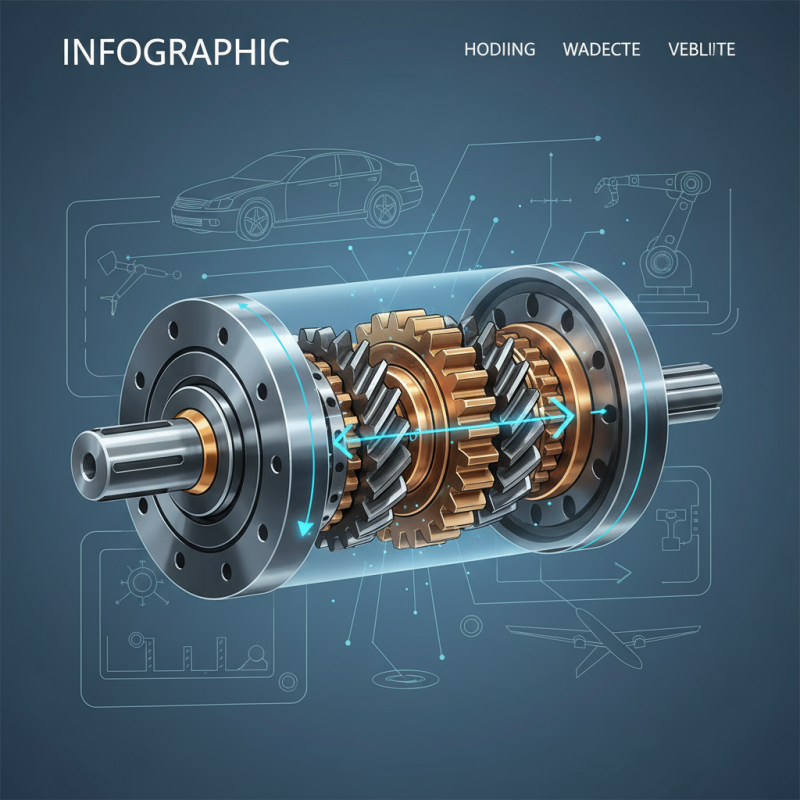
Definition and Function of a Cylindrical Gearbox
A cylindrical gearbox is a critical component in many mechanical systems. It consists of cylindrical gears that work together to transmit torque and rotational motion efficiently. Understanding its function helps in selecting the right gearbox for specific applications.
Cylindrical gearboxes are known for their effectiveness in reducing speed and increasing torque. They are widely used in industrial machinery, automotive applications, and robotics. According to a recent industry report, the global market for gearboxes is projected to reach $50 billion by 2026, highlighting their significance in various sectors. The design allows for high load capacities and smooth operation, making them ideal for heavy-duty applications.
However, challenges do arise. Efficiency can be impacted by wear and tear over time. Misalignment of gears can lead to increased noise and vibration. Regular maintenance is essential to prevent these issues. Studies indicate that failure rates in gearboxes can reach up to 30% in some industries. Equipment managers must pay close attention to operational parameters to ensure reliability. Understanding the limitations of cylindrical gearboxes is crucial for optimizing performance.
Components of a Cylindrical Gearbox
A cylindrical gearbox is a crucial component in various machinery. It primarily consists of several parts that work together to transmit power efficiently. Key components include the input shaft, gears, output shaft, and housing. Each component plays a vital role in the overall functioning of the gearbox.
The input shaft connects to a power source, receiving rotational motion. Gears are mounted on the input and output shafts. Their teeth mesh together, allowing for torque transmission and speed reduction. The housing holds these components securely, protecting them from external damage. A common issue arises from wear and tear, leading to inefficiencies. Regular maintenance can help in identifying such problems before they worsen.
Another important part is the bearing, which supports the shafts and reduces friction. Selecting the right type of bearing impacts the gearbox's efficiency. Often, overlooked details, like lubrication, can cause significant issues over time. Despite their robust design, cylindrical gearboxes require understanding and care to perform optimally.
What is a Cylindrical Gearbox and How Does It Work? - Components of a Cylindrical Gearbox
| Component | Description | Function |
| Input Shaft | The shaft that receives input from the motor. | Transmits power to the gearbox. |
| Gear Teeth | The surface of the gears that mesh together to transmit torque. | Enables power transfer between gears. |
| Output Shaft | The shaft that delivers power to the workload. | Converts rotational motion for external use. |
| Bearings | Support rotating components to reduce friction. | Ensures smooth operation and longevity. |
| Housing | The outer casing that protects internal components. | Provides structural support and protection from the environment. |
Types of Cylindrical Gearbox Configurations
Cylindrical gearboxes, known for their efficient power transmission, come in various configurations. Each design caters to specific application needs. Common types include parallel shaft, helical, and spur gear configurations. These variations affect factors such as torque capacity and noise levels.
Parallel shaft gearboxes feature shafts parallel to each other. They excel in high-load situations, as noted in a recent report by Power Transmission Engineering, which states that parallel configurations can handle up to 60% more torque than their spur counterparts. Helical gearboxes have teeth cut at an angle, enabling smoother operation. This configuration reduces noise and vibration by distributing load over multiple teeth.
Spur gear configurations are the simplest, best for low-speed applications. But, they can create significant noise, making them less desirable in some situations. Each configuration has trade-offs, giving engineers plenty to consider. As industries evolve, expectations for efficiency and durability rise, forcing a reevaluation of these traditional designs. Insights from recent studies suggest a growing need for hybrid solutions, combining the benefits of various configurations. Understanding these nuances in gearbox types is essential for optimal design and application.
Working Principle of a Cylindrical Gearbox
A cylindrical gearbox is a vital component in machinery. Understanding its working principle is essential for effective use. At its core, the cylindrical gearbox uses cylindrical gears to transmit motion and torque. It converts the rotational motion from a motor into a usable output. This process involves meshing gears that rotate together, which is where the mechanics become fascinating.
As the input gear rotates, it engages with the output gear, transmitting force. This interaction between the gears is not without challenges. Gears must align perfectly to prevent wear and tear. Misalignment can lead to noise and reduced efficiency. Factors like material choice and lubrication also play significant roles in performance and longevity.
The design of cylindrical gearboxes supports various applications, from machinery to vehicles. However, users must consider load capacity and speed ratios. Overloading or improper settings can result in failures. Understanding these nuances helps engineers make informed decisions. A well-designed gearbox can enhance efficiency, yet it requires careful attention to detail.
Applications of Cylindrical Gearboxes in Industries
Cylindrical gearboxes play a crucial role in various industries, facilitating smooth and efficient power transmission. These gearboxes are widely used in manufacturing, automotive, and robotics sectors. According to a report by MarketsandMarkets, the global market for cylindrical gearboxes is expected to reach USD 9.83 billion by 2025, growing at a CAGR of 6.73% from 2020 to 2025. This growth underscores their significance in supporting complex machinery.
In manufacturing, cylindrical gearboxes are vital for conveyor systems and mixers. They provide reliable torque and reduce the speed of motors, optimizing performance. In the automotive industry, these gearboxes enhance the efficiency of electric vehicles by enabling better control of power delivery. Robotics applications also benefit from these gearboxes, as they ensure precise movements and positioning in robotic arms and automated systems.
Tips: Regular maintenance is essential for long-lasting performance. Lubrication can minimize wear and tear. Always check alignment to avoid unnecessary stress on the gearbox. Yet, even with good care, issues can arise. Sometimes, unexpected vibrations or noises signal potential problems, requiring immediate attention. Users must remain vigilant and proactive to ensure their cylindrical gearboxes function optimally in demanding environments.
