Top 10 Duct Heater Types How to Choose the Right One?
A duct heater is more than a metal coil placed inside an air stream. It is a controlled heat source that must match airflow, voltage, duct dimensions, and building needs. In practice, a heater that performs well in a small office may fail in a large warehouse. Poor sizing can create cold zones, overheating, noisy operation, or unnecessary energy use. The right selection begins with actual conditions, not a product photo. This guide examines ten common duct heater types and explains where each design fits. It also considers electric resistance, hot water, steam, gas-fired, and specialized options. Details matter.
Choosing equipment requires technical knowledge and field judgment. Review heating capacity, minimum airflow, pressure drop, control methods, service access, and material compatibility. Confirm electrical loads and installation requirements with qualified professionals. Manufacturer data and applicable local codes should guide the final decision. A promising heater can still become unsuitable when filters become dirty or airflow changes seasonally. That is easy to overlook. We will compare strengths, limitations, operating costs, and maintenance concerns in practical terms. Expect clear guidance, but not false certainty. Building use, climate, duct layout, and control strategy can change the answer. The best duct heater is not always the most powerful model. It is the one that delivers steady comfort, safe operation, and dependable performance over time.
Duct Heater Basics: Purpose, Structure, and Operating Principles
Top 10 Duct Heater Types: How to Choose the Right One?
Duct heaters warm moving air inside ventilation or HVAC systems. They help prevent cold drafts, protect comfort, and support accurate supply-air temperatures. Common designs include electric resistance, hydronic coil, steam coil, and gas-fired units. Each type suits different energy sources and installation conditions.
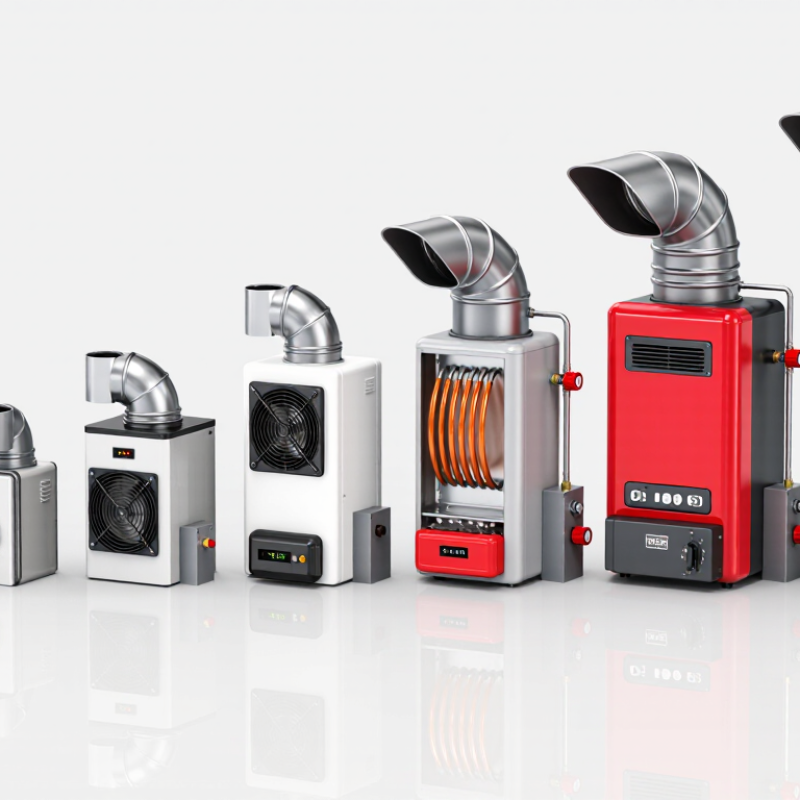
A typical duct heater includes a metal casing, heating elements or coils, temperature sensors, limit controls, and an access panel. Electric models create heat through resistance elements. Hydronic models transfer heat from hot water through finned tubes. The fan pushes air across these surfaces, raising its temperature before distribution. Safety controls should stop heating when airflow drops. That detail matters.
Tips: Check airflow, duct size, static pressure, voltage, and required temperature rise before selecting a heater. Measure actual conditions during commissioning, not only design estimates. A unit with excessive capacity may cycle often and waste energy. An undersized unit may run continuously. Technicians should also verify clearances, insulation, control compatibility, and filter condition. Installation manuals and local safety requirements remain essential. In practice, selection is rarely perfect on the first attempt. Rechecking field readings can reveal a quieter, safer, and more efficient solution.
How to Compare Duct Heaters by Capacity, Control, and Installation
Choosing a duct heater starts with capacity, not cabinet size. Calculate airflow, entering-air temperature, desired temperature rise, and building heat loss. A heater that is too small will run continuously. An oversized unit may cycle often and waste energy. Use manufacturer data and a qualified engineer’s calculation, since real duct conditions rarely match design assumptions perfectly.
Compare control methods carefully. Staged heaters provide simple, dependable output for steady loads. Modulating controls offer smoother temperature management, especially in rooms with changing occupancy. Check the control signal, sensor location, airflow proving switch, and high-limit protection. During commissioning, measure voltage, current, airflow, and discharge temperature. A control diagram may look clear, but field wiring mistakes still happen.
Tips: Confirm the heater fits the duct’s actual dimensions and leaves required service clearance. Install it downstream of filters when practical, and keep airflow even across the heating elements. Verify electrical capacity before ordering. I once saw a heater selected correctly but rejected because the panel lacked spare capacity. That detail should be checked early. Also review local electrical codes, grounding requirements, access panels, and maintenance space. A practical comparison should include installation labor, controls, safety devices, and future servicing—not only the rated kilowatts.
Top 10 Duct Heater Types: How to Choose the Right One
Typical selection capacity ranges by heater type. Compare the heating capacity, control approach, and installation requirements before final selection.
Electric and VAV heaters are compact and easy to control, while hot-water, steam, glycol, and gas-fired systems can serve larger loads but require more mechanical infrastructure. SCR control provides precise modulation for electric heaters, whereas staged control is generally simpler and more economical.
Safety, Energy Efficiency, and Maintenance Factors to Evaluate
Top 10 Duct Heater Types: How to Choose the Right One?
Safety should guide every duct heater selection. Electric resistance, hydronic, gas-fired, steam, heat-pump, and indirect-fired units each suit different airflow and building conditions. Electric models offer clean operation, but their high operating load needs careful electrical planning. Gas-fired heaters require combustion-air design, flame supervision, and safe venting. NFPA 90A emphasizes fire protection, installation clearances, and reliable safety controls for air-moving systems. High-limit switches and airflow proving devices are essential, not optional extras.
Energy efficiency deserves equal attention. The U.S. Energy Information Administration’s 2015 Residential Energy Consumption Survey reported that space heating represented 42% of household energy use. The U.S. Department of Energy also notes that poorly sealed ducts can lose 20% to 30% of moving air. A heater cannot compensate for leaking ductwork. Choose staged or modulating capacity when loads change often, and verify insulation, controls, and airflow during commissioning. ASHRAE Standard 90.1 provides useful efficiency guidance for commercial systems, although local requirements still matter. Maintenance is less glamorous. Filters, coils, sensors, electrical terminals, and burner assemblies need scheduled inspection. A small airflow fault can create overheating, noise, or wasted energy. No selection is perfect. The real mistake is trusting a catalog rating without checking the building’s actual load, ventilation pattern, and maintenance access.
A Step-by-Step Guide to Choosing the Right Duct Heater for Your System
Choosing a duct heater starts with the system, not the product label. Measure the duct width, airflow, entering-air temperature, and available electrical or fuel capacity. A small mistake here can cause weak heating or dangerous overheating. Keep airflow stable.
Select the heater type that matches those conditions. Electric duct heaters suit many clean, compact systems and allow precise staged control. Hot-water and steam coils can work well where central heating is already available. Gas-fired units may suit larger air volumes, but they require suitable ventilation, clearances, and professional installation. Check the required heat output with a qualified engineer, using the formula for airflow, temperature rise, and air density. Do not guess.
Inspect the controls before choosing the final model. The heater should coordinate with the fan, airflow switch, high-limit protection, and thermostat. Confirm that the control panel matches the site voltage and phase. In practical commissioning, technicians often verify airflow at several points, not only near the fan. Uneven distribution can create hot spots. I have found that design drawings sometimes hide these problems. Recheck them in the field. Leave access for cleaning, testing, and replacing safety components. A cheaper heater can become expensive when maintenance access is poor. Record measured values, wiring details, and protection settings for future service. That record may reveal whether the original selection was truly correct.
