How to Choose the Right Aluminum Heat Sink for Your Project?
Choosing the right Aluminum Heat Sink for your project is crucial. Efficient heat dissipation can significantly impact the performance and longevity of electronic devices. The market offers a variety of options, making the selection process daunting.
Understanding your project’s specific requirements is essential. Factors such as thermal conductivity, size, and design play pivotal roles in determining the right heat sink. An Aluminum Heat Sink’s effectiveness often depends on its surface area and airflow. Not every design suits every application.
Consider your project's unique characteristics. Experimenting with different configurations can lead to unexpected results. This process involves trial and error. A suboptimal choice may result in inadequate cooling, leading to overheating issues. Taking the time to assess these elements is vital for success.
Understanding the Basics of Aluminum Heat Sink Functionality and Design
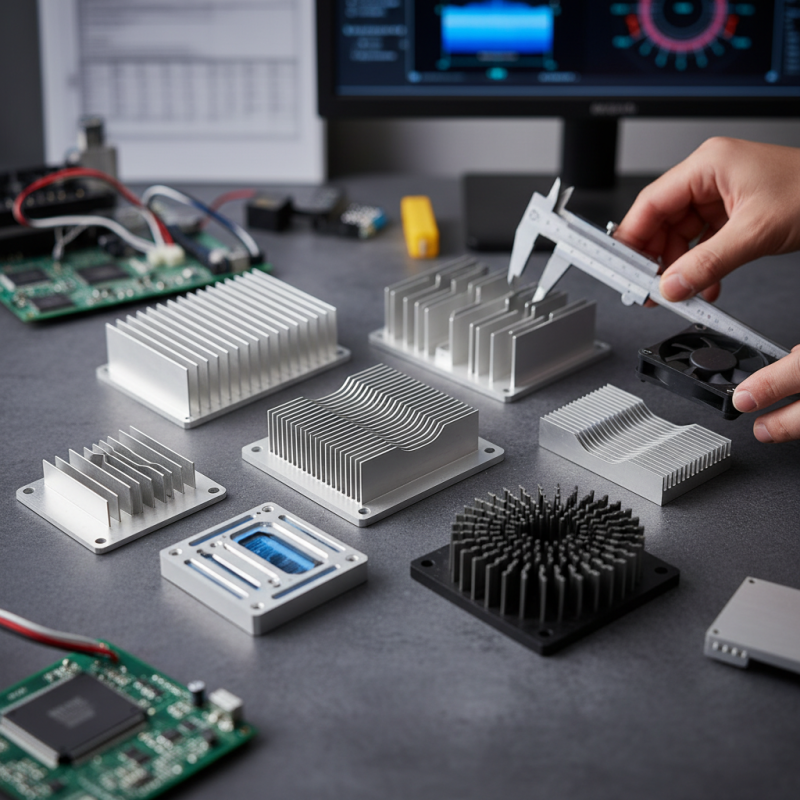
Choosing the right aluminum heat sink for your project involves understanding its functionality and design principles. Aluminum heat sinks dissipate heat from electronic components effectively. They do this through conduction and convection, transferring heat away from sensitive parts. The design plays a crucial role in how efficiently a heat sink can manage temperature.
Key factors include size, shape, and surface area. A larger surface area often allows for better heat dissipation. However, space constraints in designs can complicate this. It's essential to balance efficiency with available space. The shape also impacts airflow and cooling. For example, fins can increase surface area but may require careful placement.
While many resources offer guidelines, each project may present unique challenges. For instance, thermal performance can vary based on the environment. High ambient temperatures may necessitate heavier-duty sinks. Understanding specific needs is vital to making informed decisions. It's okay to experiment and adapt designs as projects evolve.
How to Choose the Right Aluminum Heat Sink for Your Project?
| Heat Sink Type | Material | Dimensions (mm) | Thermal Resistance (°C/W) | Weight (g) | Application |
| Standard Heat Sink | Aluminum | 50 x 50 x 20 | 1.0 | 150 | General Electronics |
| Extruded Heat Sink | Aluminum | 100 x 50 x 30 | 0.7 | 200 | LED Lighting |
| Pin Fin Heat Sink | Aluminum | 40 x 40 x 40 | 0.5 | 100 | High Performance Computing |
| Flat Plate Heat Sink | Aluminum | 150 x 100 x 10 | 1.5 | 250 | Power Electronics |
| Custom Heat Sink | Aluminum | Customized | Variable | Variable | Custom Applications |
Key Thermal Properties of Aluminum Affecting Heat Sink Performance
When selecting an aluminum heat sink, understanding its thermal properties is crucial. Conductivity is key. Aluminum has high thermal conductivity, usually around 200-250 W/m·K. This means it can effectively transfer heat away from components. The design should maximize surface area. Fins and plates increase airflow around the heat sink, enhancing cooling performance significantly.
Another important factor is thermal resistance. This property indicates how well a heat sink can dissipate heat. Lower thermal resistance is better. It depends on the material, geometry, and airflow. Thickness also matters. If the heat sink is too thick, it can trap heat. If too thin, it won’t dissipate effectively.
While aluminum is lightweight, it can be less effective than copper in specific situations. Its performance can be compromised in high-temperature environments. Always consider the project's specific needs. Balancing weight, thermal properties, and structure can be challenging. Experimentation may be necessary to achieve optimal performance. Decisions should be made based on thorough testing and evaluation.
Factors Influencing Heat Sink Selection: Size, Shape, and Material
Selecting the right aluminum heat sink is crucial for effective thermal management in electronic projects. One major factor is size. A heat sink must fit within the constraints of the overall design. If it’s too large, it can obstruct other components. Conversely, a small heat sink may not dissipate heat effectively. Always measure available space before making a choice.
The shape of the heat sink plays a significant role as well. Simple designs, such as block shapes, provide basic cooling but might not be sufficient for high-power applications. Finned shapes enhance airflow, maximizing heat dissipation. However, complex shapes can complicate manufacturing and increase costs. Balance functionality with practicality.
Material selection is equally important. Although aluminum is widely used for its lightweight and good thermal conductivity, it may not always be the best option. Sometimes, copper offers superior performance but at a higher price point. Reflect on the specific heat dissipation needs of your project. Keep budget constraints in mind, as well as the intended operating environment. The right choice balances these factors thoughtfully.
Choosing the Right Aluminum Heat Sink - Factors Influencing Selection
This bar chart illustrates the importance levels of different factors influencing the selection of aluminum heat sinks for your project. Size and shape are crucial considerations, with size rated at 85 and shape at 90, while material properties are also significant at 80.
Calculating Heat Dissipation: Analyzing Power and Temperature Requirements
Calculating heat dissipation is critical in selecting the right aluminum heat sink for your project. Begin by analyzing your power requirements. Determine the total power output of your components. This value often represents the heat generated. Next, consider the temperature requirements. Your system needs to operate within a specific temperature range. Knowing the maximum allowable temperature is essential for effective thermal management.
Once you have these figures, calculate the necessary heat sink parameters. Use the formula Q = P / ΔT, where Q is the heat dissipated, P is power, and ΔT is the temperature difference between the component and ambient air. This calculation will help you estimate the heat sink size. Remember, a larger heat sink may offer better performance, but space is often limited.
It's also important to acknowledge the limitations of these calculations. Real-world conditions may vary. Ambient temperature fluctuates, and airflow can change. These factors impact heat dissipation. Sometimes, practical application shows discrepancies compared to theoretical models. Consider testing different heat sinks in actual conditions to validate your calculations. Understanding these nuances will enhance your project's reliability and efficiency.
Common Applications of Aluminum Heat Sinks in Electronics and Cooling Systems
When selecting an aluminum heat sink, it's vital to understand its applications in electronics and cooling systems. Aluminum heat sinks are commonly used in high-power LED lighting. They dissipate heat efficiently, ensuring longer lifespan and better performance. By absorbing and radiating heat, these components keep LEDs cool, preventing damage.
Another frequent use is in computer processors. CPUs generate significant heat during operation. Aluminum heat sinks attached to these processors help maintain optimal temperatures. This is critical for performance and stability. They must be designed with proper surface area and airflow in mind.
In power electronics, heat sinks play a crucial role. They manage heat in devices like inverters and power amplifiers. A well-designed aluminum heat sink can enhance system reliability. However, choosing the wrong size or shape might lead to overheating. Balancing thermal resistance and airflow is essential. Reflecting on these factors is key to successful thermal management.