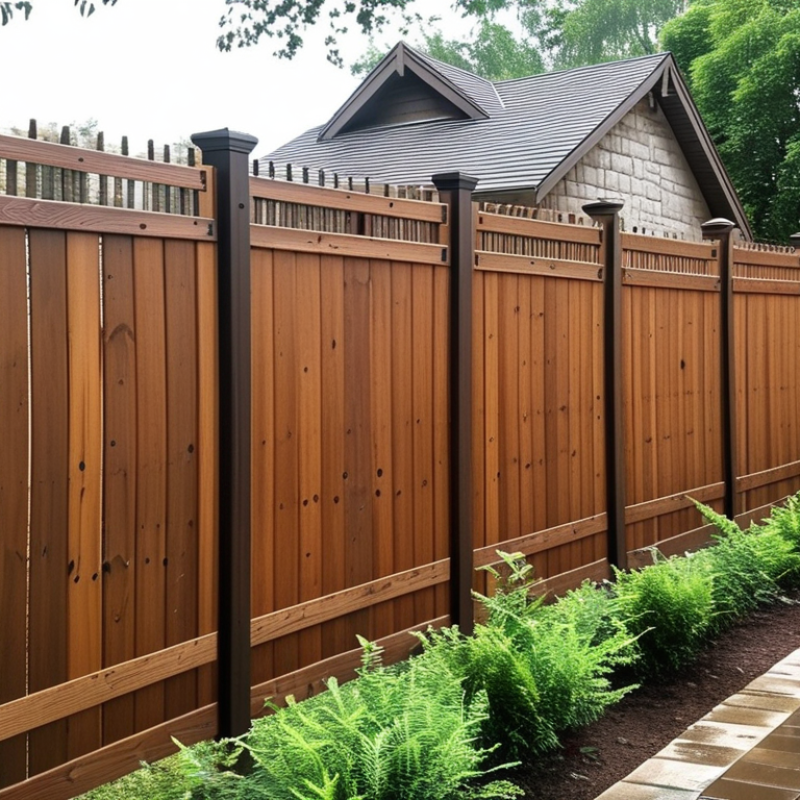
How to Choose the Best WPC Fence for Your Needs?
Choosing the best Wpc Fence can be challenging. With multiple options available, making the right decision requires careful consideration. John Smith, a WPC fence expert, emphasizes, “Quality and durability should be your primary focus when selecting a WPC fence.” This advice resonates well in a market that boasts various products.
When evaluating your choices, think about the climate in your area. Is it humid? Does it experience extreme temperatures? These factors can affect the longevity of a WPC fence. Furthermore, the aesthetic appeal should match your home and landscape.
Pay attention to the warranty and maintenance requirements. Not all WPC fences are created equal. Some may require more upkeep than you realized. Reflecting on these aspects could lead you to a more satisfactory purchase, ensuring that your WPC fence fulfills its intended purpose effectively.
Understanding WPC Fencing Materials and Their Benefits
When choosing WPC fencing materials, it's vital to understand their unique properties. WPC stands for Wood Plastic Composite. This material combines wood fibers and recycled plastics. Such a blend offers durability and aesthetic appeal. It can withstand extreme weather much better than traditional wood. This is crucial for long-term use. WPC fences require less maintenance and resist rot, insects, and fading.
The environmental benefits of WPC fencing are noteworthy. Recycled materials are used, making it a more sustainable choice. Homeowners can feel good about their environmental impact. However, not all WPC options are created equal. Some may contain lower-quality materials, impacting performance. Be cautious when selecting products. Consider the manufacturing process and the sourced materials. It’s essential to research various options before making a decision.
Installation can be straightforward, but proper guidance is essential. If not done correctly, issues may arise over time. Some homeowners face challenges with alignment and stability. Seek advice from experts when unsure. Understanding these materials can lead to informed choices that enhance both the functionality and aesthetics of your property.
Evaluating Your Specific Fencing Needs and Requirements
When considering a WPC fence, understanding your specific needs is critical. Many homeowners prioritize durability and maintenance. WPC, or wood-plastic composite, combines plastic and wood fibers. Research shows that composite fencing can last 25 years or more, significantly outpacing traditional wood fences. This longevity reduces the need for frequent replacements.
Another important aspect is aesthetics. Some homeowners seek a natural wood look without the associated upkeep. WPC can mimic the appearance of wood, providing the desired visual appeal. According to studies, 70% of homeowners value design flexibility. This means you can customize the color and finish to match your property seamlessly.
Lastly, consider your local climate. WPC fences resist moisture better than standard wood. However, in extreme heat, some WPC materials may warp or fade. It's essential to evaluate the specifications of your chosen product for climate resilience. Reflect on your environment and select a fence that meets your needs without compromising quality.
Key Factors to Consider When Choosing WPC Fencing
Choosing the right WPC fence requires careful consideration of several key factors. One significant aspect is durability. WPC, or wood-plastic composite, offers resistance to rot and fading. This means fewer repairs over time. However, not all WPC materials are created equal. Some may sustain damage from impacts or extreme weather.
Another crucial factor is design flexibility. WPC fencing comes in various styles and colors. This diversity allows homeowners to customize their outdoor space effectively. Still, it’s essential to think about how these choices will harmonize with existing landscapes. Sometimes, a trendy style might not fit a more traditional home.
Installation also deserves attention. While some WPC fences are marketed as easy to install, others may require professional help. Evaluate your own DIY skills honestly. It's easy to underestimate this task. An improperly installed fence can lead to future issues, including stability and aesthetics. Reflecting on these details can lead to a better-informed decision.
Comparing WPC Fencing Brands and Product Quality
When selecting a WPC (Wood Plastic Composite) fence, it’s essential to evaluate the product quality of various brands. Many manufacturers offer distinct features and performance levels, which can influence your decision. For instance, some brands emphasize durability and resistance to weather, while others may focus on aesthetics and color variety. It's crucial to read customer reviews and testimonials to gather insights about real-life performance.
Analyzing the material composition is another important aspect. A higher ratio of wood fibers typically leads to better strength and a natural look. On the other hand, excessive plastic can result in brittleness and fading over time. Visual inspection can also reveal inconsistencies, such as rough edges and color uniformity. Consider how well the fence will blend with your landscape.
It’s also worth contemplating warranty options. A longer warranty may indicate the manufacturer’s confidence in their product. However, warranties can be complex; you should read the fine print carefully to understand coverage limitations. Reflections on your own experience with fencing materials can guide you in assessing which features are most relevant to your needs. Remember, choosing the right WPC fence involves both emotional and practical considerations.
Installation and Maintenance Tips for WPC Fences
When installing a WPC (Wood-Plastic Composite) fence, proper techniques can enhance its longevity and aesthetic appeal. Start by ensuring a level base. Uneven surfaces may cause gaps, leading to water accumulation and potential warping over time. According to the Composite Materials Handbook, proper alignment during installation minimizes these risks, which is key for stability.
Regular maintenance is vital for WPC fences. While they are resistant to rot, they can still accumulate dirt and mold. A survey by the American Fence Association showed that 60% of WPC users experience discoloration without proper cleaning. A simple routine of washing with soap and water can prevent buildup. Additionally, check for loose boards or fasteners periodically. Neglect can lead to greater issues down the line.
Consider seasonal changes as well. Extreme temperatures can affect WPC material. Cold can make it brittle, while excessive heat can lead to expansion. Awareness of these factors aids in maintaining the fence’s integrity. Embracing the realities of installation and care can lead to better decisions for your fencing needs.