"*" indicates required fields
Global projects rarely fail because steel looks wrong on a drawing. They struggle when dimensions, delivery schedules, documentation, and site conditions do not align. Steel and tube products can support structural frames, utility systems, transport links, and industrial facilities, but selection must match the project’s actual loads, environment, and fabrication plan.
A reliable supplier helps teams compare grades, section sizes, tolerances, coatings, and available certificates before orders reach the site. That work is practical: checking mill documentation, confirming cut lengths, and coordinating shipment dates can prevent costly delays. “A sound specification is only useful when the material arriving on site matches it.” This is an editorial line, not a verified quotation from a named industry expert; no source article or expert attribution was provided.
There is no universal steel and tube solution. Coastal exposure, temperature swings, local fabrication capacity, and transport limits can change the best choice. Even careful plans miss things. A connection detail may need review once the drawings meet real site conditions. This guide examines how product quality, supplier capability, logistics, and technical support shape global project decisions—and where buyers should ask harder questions before committing.
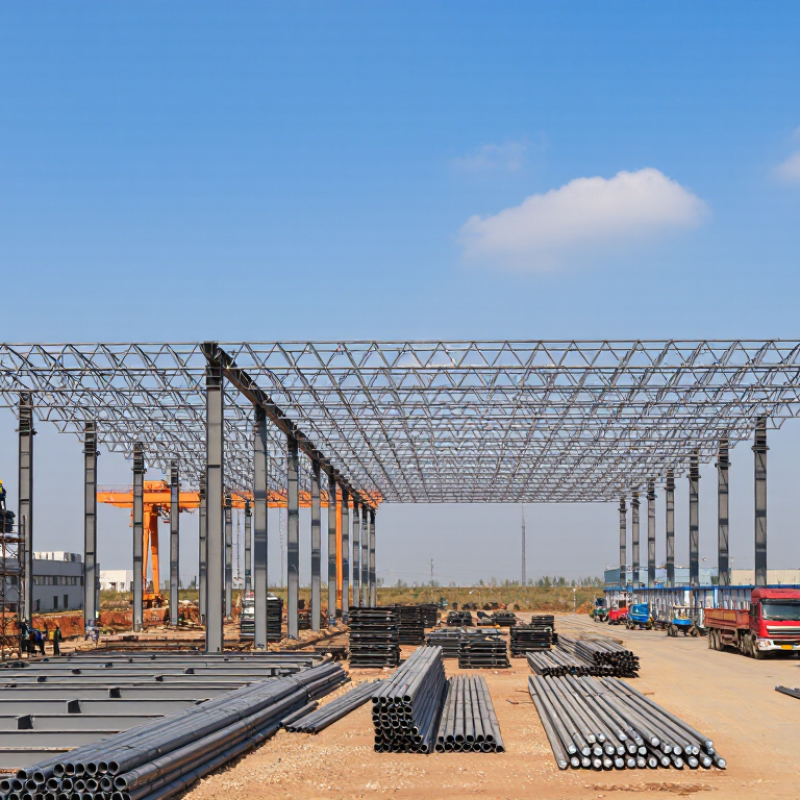
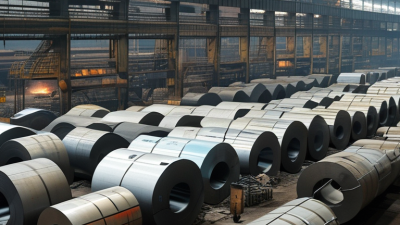
Steel and tube products serve different roles in global projects, even when they arrive on the same site. Steel plate and sheet provide broad surfaces for tanks, panels, and fabricated assemblies. Beams, channels, and angles support frames and connections. Each form has different dimensions, tolerances, and handling needs. Small details matter.
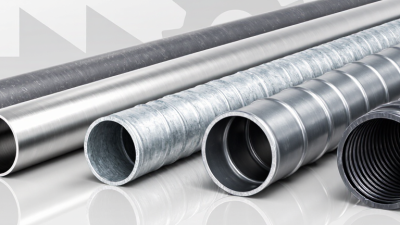
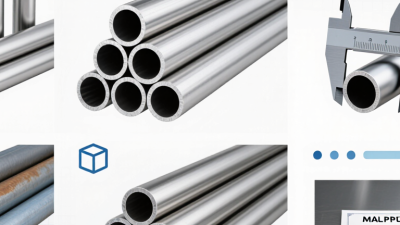
Tubes are available in round, square, and rectangular profiles. Round tubes often suit fluid transport or curved assemblies, while hollow structural sections can create neat frames with less exposed surface. Product choice depends on load, wall thickness, joining method, and operating environment. A tube that looks adequate on a drawing may be difficult to weld or inspect in practice.
Specifications should identify the grade, dimensions, applicable standards, and required surface condition. Coatings or other corrosion protection may be needed for humid, coastal, or industrial settings, but the right option depends on exposure and maintenance plans. Check traceability and test documentation before materials are released for fabrication. This takes time. It can also prevent costly substitutions later. One point is easy to overlook: delivery length and packaging affect storage, lifting, and cutting on site, so they belong in procurement discussions too.
| Material family | Common product forms | Example specifications | Typical project uses | Key selection considerations |
|---|---|---|---|---|
| Carbon structural steel | Plates, sheets, flats, angles, channels, and beams | ASTM A36; EN 10025-2 grades such as S235JR and S355JR | Building frames, bridges, equipment supports, and general fabrication | Check design strength, section dimensions, weldability, corrosion protection, and the project’s governing standard. |
| High-strength low-alloy structural steel | Plate, sheet, and structural shapes | ASTM A572, including Grade 50; applicable EN 10025 grades | Long-span structures, heavy equipment frames, and projects where strength-to-weight efficiency matters | Confirm the required grade, thickness-dependent properties, toughness requirements, and fabrication procedures. |
| Structural hollow sections | Round, square, and rectangular hollow sections | ASTM A500; EN 10210 or EN 10219 product standards | Columns, trusses, frames, supports, and architectural structures | Verify outside dimensions, wall thickness, corner geometry, manufacturing route, and applicable structural design rules. |
| Carbon steel pipe | Seamless pipe and welded pipe | ASTM A106 for seamless pipe used in high-temperature service; ASTM A53 for specified general service applications | Process piping, utility lines, and other piping systems designed for the applicable service conditions | Match grade, nominal size, schedule or wall thickness, pressure and temperature design, end finish, and inspection requirements. |
| Stainless steel | Sheet, plate, bar, and welded or seamless pipe | ASTM A312 pipe grades such as TP304/304L and TP316/316L | Piping, tanks, food-processing equipment, and environments requiring corrosion resistance | Select the grade for the exposure conditions; consider chloride levels, temperature, cleaning practices, and fabrication requirements. |
| Reinforcing steel | Deformed reinforcing bars and, where specified, plain bars | ASTM A615/A615M; other regional reinforcement standards as specified by the project | Reinforced concrete foundations, slabs, columns, walls, and infrastructure | Confirm bar size, grade, ductility, bendability, splice details, and compatibility with the design code. |
Specification examples are indicative; confirm the required edition, grade, dimensions, testing, and certification requirements in the project documents.
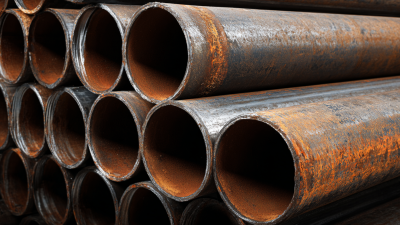
Global projects expose steel and tube products to different climates, handling methods, and installation schedules. Performance starts with choosing material properties that match the actual service conditions, not simply selecting the thickest section. Strength matters. So does toughness, especially where temperatures fall or structures face repeated loading.
Corrosion resistance needs equal attention. Coastal air, humid storage yards, and contact with dissimilar metals can all shorten service life. Protective coatings help, but their performance depends on surface preparation, transport, and maintenance. A coating scratched during unloading may need repair before installation. Small details count. Dimensional consistency also affects fit-up: tubes that arrive with stable wall thickness and straightness are easier to align on site. Still, tolerances should be checked against the project specification rather than assumed from a general product description.
Weldability and traceability support reliable fabrication across distributed teams. Clear material records help engineers verify grade, test results, and batch identity when components move between suppliers and job sites. For long-distance projects, packaging and end protection matter too; water trapped inside a tube can create problems before the steel reaches service. These checks take time. They can also prevent avoidable rework. No single property guarantees success, and specifications may need adjustment after reviewing local exposure, connection design, and installation capacity.
Why Choose Steel and Tube for Global Projects?
Manufacturing Quality and International Standards
Global projects need more than strong steel and accurate tubes. They need repeatable manufacturing, clear records, and confidence across borders. Experienced suppliers verify chemical composition, tensile strength, wall thickness, and surface condition before shipment. Each batch should carry a traceable heat number. That number connects the material to test results and production records. Practical checks may include ultrasonic testing, dimensional measurement, hydrostatic testing, and visual inspection. These details matter when pipes arrive at a busy construction site.
International standards create a shared technical language. Depending on the project, specifications may reference ISO 9001 quality systems, ASTM requirements, EN standards, or regional codes. A reliable manufacturer confirms the correct grade, tolerance, testing method, and documentation before production begins. Mill certificates should match the delivered material, not merely describe an expected product. No inspection plan is perfect. A rushed review can still miss a small ovality issue or an unclear certificate. That is why independent verification and sample testing remain valuable for critical applications.
Tips: Request material certificates early. Check heat numbers against labels and packing lists. Confirm whether the destination requires specific standards or third-party inspection. Store tubes on supports, away from standing water, to protect their condition before installation. Small gaps in communication can become expensive delays. Good documentation prevents many of them.
ISO 9001 is an international quality management system standard. This timeline shows the publication years of its major editions; it does not represent any company's certification status or product performance.
Global steel and tube projects depend on more than material quality. They depend on predictable movement from mill to site. Experienced procurement teams check production capacity, export documentation, port schedules, and inland delivery routes before placing orders. A shipment may leave on time yet face congestion at transshipment ports. Small delays can interrupt fabrication crews and increase storage costs.
Regional availability can reduce these risks. Stock held near major construction zones supports faster replacement of damaged or missing sections. It also helps projects respond to changing drawings without waiting for another overseas shipment. Local warehouses may offer common sizes, while specialized profiles still require longer planning. That distinction matters. I have seen schedules fail because teams assumed every section was locally available.
Logistics planning should match the project’s real conditions. Engineers need verified mill certificates, dimensional records, corrosion specifications, and traceable batch information. Procurement managers should compare full landed costs, including handling, duties, insurance, storage, and last-mile transport. A lower unit price may hide expensive port delays. Weather and border procedures can also affect delivery windows. No plan is flawless. Contingency stock, alternative ports, and approved substitute specifications create useful flexibility, though they add expense and require technical review. Clear communication between suppliers, freight coordinators, and site managers keeps decisions documented and measurable.
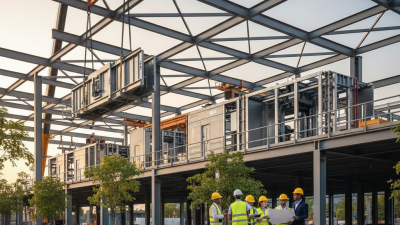
Steel and tube products support projects that must carry loads, resist weather, and fit demanding site conditions. In infrastructure, structural steel forms bridge beams, station frames, utility supports, and pedestrian walkways. Steel tubes are useful for columns, handrails, drainage systems, and protective barriers. Their hollow profile can provide strength while keeping weight manageable. That matters when lifting components into place with cranes or working above busy roads.
Industrial settings bring different demands. Factories use steel frames for equipment platforms, pipe racks, and maintenance access. Warehouses rely on columns and trusses to create wide, open floor areas. In coastal or humid locations, protective coatings and suitable material grades can help limit corrosion. Still, specifications should match the actual exposure and service loads. A coating is not a substitute for proper inspection. Small details matter.
Tips: Confirm dimensions, grade, coating, and testing documents before procurement. Check how sections will be transported, joined, and maintained on site. Allow room for fabrication tolerances; drawings do not always capture every site condition. A careful review can prevent costly adjustments, though it cannot remove every uncertainty.
"*" indicates required fields