How to Choose the Right Round Filter Press at Canton Fair?
Choosing the right Round Filter Press can significantly impact your operations. At the upcoming Canton Fair, which showcases diverse industries, finding the ideal filter press is crucial. The fair provides a unique opportunity to explore various suppliers and innovations.
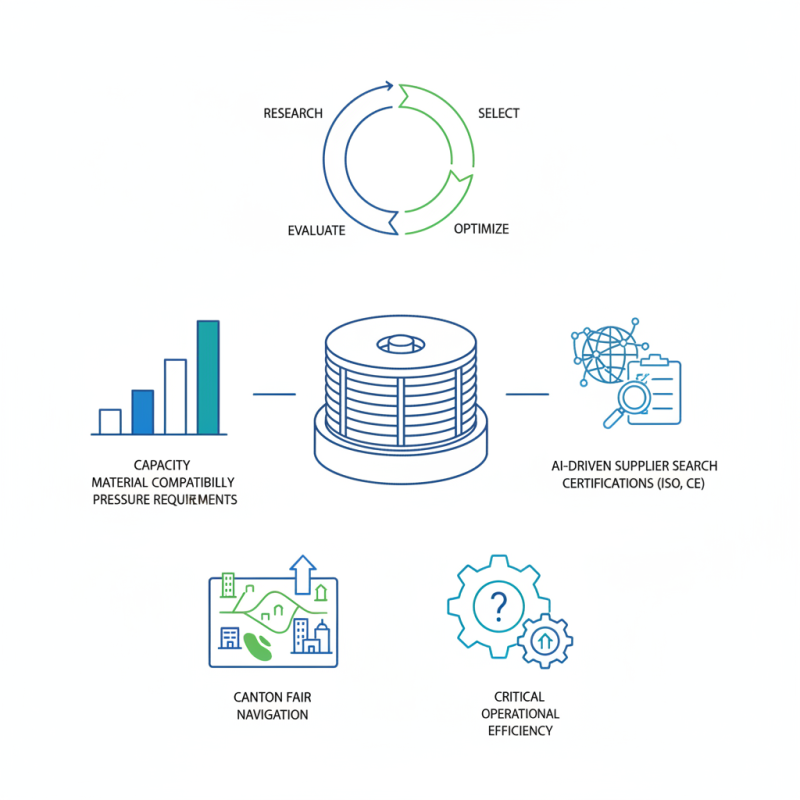
Attendees can leverage AI-driven tools for efficient navigation. This technology helps buyers filter suppliers based on specific certifications, like ISO and CE. The impressive layout of 1.55 million square meters can be overwhelming, yet these tools enhance the experience.
However, it's important to approach the selection process with critical thinking. Not every filter press is suitable for every application. Determine your specific needs before making decisions. Reflecting on your requirements can lead to better choices and improved operational efficiency.
Understanding the Functionality of Round Filter Presses
When attending the Canton Fair, understanding the functionality of round filter presses is essential. These machines play a vital role in various industries, efficiently separating solids from liquids. Their circular design allows for a compact footprint, making them suitable for limited spaces. However, potential buyers must grasp how each feature works and its implications.
One key aspect to consider is the filtration process itself. Round filter presses utilize pressure to facilitate separation, but not all materials respond equally. The type of slurry being processed can greatly influence the machine's effectiveness. This might lead to surprises if expectations are not aligned with reality. It's essential to consider the compatibility of your materials before making a decision.
Another important detail is maintenance. Like any equipment, round filter presses require regular upkeep to operate smoothly. Ignoring maintenance can lead to performance issues. Buyers should reflect on the resources available for service and repair. A well-informed choice hinges on the understanding of both functionality and long-term commitment to upkeep.
Identifying Your Specific Filtration Needs
When attending the Canton Fair, understanding your specific filtration needs is crucial. Each industry has unique requirements. Consider the type of materials you’ll be filtering. Liquids differ greatly from slurries and solids. Do you need fine filtration or are coarser materials sufficient? Assessing these needs narrows your options.
Next, think about the volume of material. What capacity do you need? A small operation may only require a modest unit. However, larger setups need bigger machines. Pay attention to operational efficiency. This aspect often affects your choice. Running a model that doesn’t match your output can lead to waste.
Also, evaluate your budget constraints. High-quality machines may come at a higher price. Yet, quality often translates to long-term savings. Take time to reflect on these factors at the fair. Speak with experts and observe various models. Your choices will affect productivity and costs down the line.
How to Choose the Right Round Filter Press at Canton Fair? - Identifying Your Specific Filtration Needs
| Filtration Needs | Filter Press Type | Material | Application | Capacity (L) |
| High Pressure Filtration | Round Filter Press | Stainless Steel | Chemical Processing | 500 |
| Temperature Sensitive Liquids | Round Filter Press | Polypropylene | Food and Beverage | 300 |
| Fine Particulate Removal | Round Filter Press | Titanium | Pharmaceuticals | 200 |
| Highly Viscous Slurries | Round Filter Press | Cast Iron | Mining and Minerals | 800 |
| Wastewater Treatment | Round Filter Press | Fiberglass | Environmental Services | 600 |
Key Features to Consider When Selecting a Round Filter Press
Choosing the right round filter press involves several key features to optimize your filtration process. First, consider the size. A filter press that fits your specific workload will maximize efficiency. An oversized press can lead to wasted resources. Conversely, a smaller unit may struggle to meet demand.
Next, evaluate the material quality. The frame and plates should be durable and corrosion-resistant. This ensures a longer lifespan and better performance. Look for options that offer a range of materials, such as stainless steel or high-strength plastics. Sometimes, suppliers may only show their best models, leading you to overlook essential alternatives.
Don't forget about the ease of operation. A user-friendly design can save time and training costs. Check for features such as a simple hydraulic system or an intuitive control panel. Sometimes, too many functions can complicate usage, making it harder for operators. Each decision affects your workflow. Make sure to weigh the pros and cons thoroughly.
Evaluating Manufacturers and Suppliers at Canton Fair
When evaluating manufacturers and suppliers at the Canton Fair, it's important to focus on quality and reliability. Many buyers overlook critical aspects. Understanding the market dynamics can help you make informed choices. According to industry reports, over 30% of buyers face challenges with supplier reliability. This statistic emphasizes the need for thorough evaluations.
Visit booths and interact directly with suppliers. Ask relevant questions about their production processes and certification. Many suppliers display their certifications prominently. Yet, it's essential to verify these claims. Trust but verify is a good approach. Take notes during conversations. This can aid in your decision-making later.
Tip: Look for suppliers with positive reviews and solid market presence. Data shows that companies with at least five years in business have a lower failure rate.
Don't hesitate to discuss past projects to gauge their capabilities. Some suppliers may advertise diverse products, but their actual expertise could be limited. Inspecting their previous works can reveal much about their professional standards. A quality supplier will readily provide case studies or references.
Tip: Request samples before finalizing your choice. It’s also wise to consider the suppliers’ support services. Good communication can significantly ease future dealings.
Tips for Comparing Prices and Quality During Your Visit
When visiting the Canton Fair, choosing the right round filter press can be daunting. To make informed decisions, focus on comparing prices and quality. Start by setting a budget for your purchase. Prices can vary significantly, so it's essential to research typical costs beforehand. Be wary of deals that seem too good to be true. They could mean lower quality materials or hidden costs.
Quality should be a top priority. A well-constructed filter press will last longer and perform better. Inspect the materials used in the construction. Look for detailed specifications and manufacturing processes. Don’t hesitate to ask questions. Sometimes, the best insights come from casual conversations with manufacturers.
Take notes on your findings as you visit different booths. Compare these notes later when you make a decision. Reflect on what aspects matter to you most—durability, maintenance, or efficiency. Sometimes the perfect choice isn't obvious right away. Allow yourself time to weigh each option thoroughly. This process can help you avoid regrets after the fair concludes.