How to Choose the Right CNC Machining Services for Your Needs?
Choosing the right CNC machining services can significantly impact your project's success. With numerous providers available, the selection process can feel overwhelming. Each service offers various capabilities, technologies, and pricing structures. Understanding your specific needs is essential in this journey.
An experienced provider can bring expertise to your project. They will understand materials, tolerances, and production methods that suit your design requirements. Reliable CNC machining services often have robust quality control practices in place. However, it's essential to evaluate their experience and past projects to ensure they align with your expectations.
Sometimes, a provider may seem perfect on paper but fall short in real-world applications. Checking reviews and seeking past client testimonials can provide valuable insight. Ultimately, ask questions and engage in discussions with potential partners. A clear communication line will guide your decision-making process.
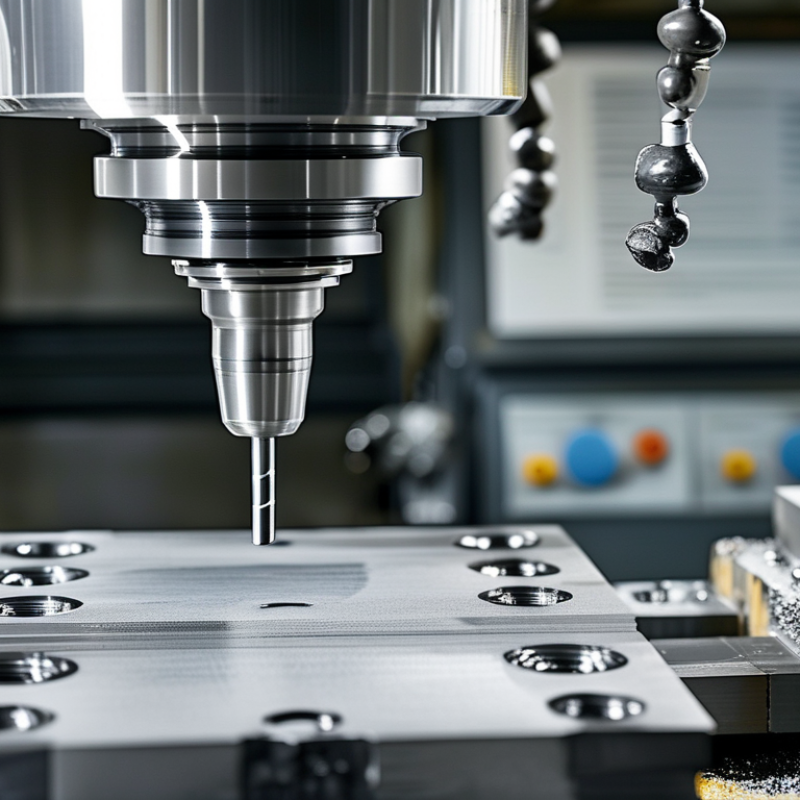
Understanding Your CNC Machining Requirements and Specifications
Understanding your CNC machining requirements is crucial. Begin by assessing the materials you need. Different projects require aluminum, plastic, or steel. Each material has unique properties. For example, aluminum is lightweight and corrosion-resistant. Plastic alternatives offer flexibility but vary in strength.
Next, consider the tolerances of your parts. Tight tolerances are essential for precision components. Specify exact measurements to avoid costly mistakes. If a project demands high precision, communicate this clearly. Don't overlook surface finishes either. A rough finish might be acceptable for some parts, while others may need a polished look.
Reflect on your volume needs as well. High-volume runs require different setups than low-volume prototypes. Many machine shops offer varying rates based on volume. Calculate your budget accordingly. Lastly, engage with your potential service provider. Ask questions about their capabilities and past projects. Their response can reveal much about their experience and reliability. This dialogue is essential for a successful partnership.
Types of CNC Machining Services Available in the Market
CNC machining services come in various types, catering to different manufacturing needs. These services include milling, turning, and electrical discharge machining (EDM). Each type has unique characteristics that make it suitable for specific applications. Milling is great for creating complex shapes. Turning is ideal for cylindrical parts. EDM is perfect for intricate designs requiring high precision.
When choosing a service, consider your project requirements. Evaluate the material types you need machined. Different machines handle metals, plastics, and composites differently. It's crucial to understand each machine's capabilities. Some machines offer better tolerances and finishes than others. This knowledge can greatly influence your choice.
Be clear about your budget. Prices vary among different types of services and materials. Finding a reliable service that fits your financial plan requires research. Ask for quotes from multiple providers to compare. Look for reviews about their past work. This feedback can reveal their reliability and expertise. Knowing these details helps avoid unexpected costs later on.
Evaluating the Expertise and Capability of CNC Service Providers
When selecting CNC machining services, assessing the expertise and capability of providers is crucial. A reliable provider should have a track record of successful projects. Review case studies or portfolio samples to gauge their experience. Look for details on specific types of materials they have worked with. This gives insight into their proficiency in handling your particular needs.
Evaluate their equipment and technology. Advanced machines can achieve higher precision and efficiency. Check if they use the latest software for design and programming. This can greatly impact the quality of the final product. A lack of investment in technology may hint at outdated practices.
Communication is also key. A provider should be willing to discuss your project in detail. Their ability to ask questions often reflects their understanding of CNC machining. Poor communication might suggest a lack of experience or capability. Pay attention to their responsiveness and willingness to collaborate throughout the process.
How to Choose the Right CNC Machining Services for Your Needs?
| Criteria | Description | Importance Level |
| Experience | Years in business and the number of projects handled. A company with more experience is likely more reliable. | High |
| Capabilities | Range of services offered such as milling, turning, 3D printing, and surface finishing. | High |
| Technology | Type and age of CNC machines used; newer technology typically leads to better precision and efficiency. | Medium |
| Quality Assurance | Processes in place to ensure product quality, such as certifications like ISO 9001 or specific industry standards. | High |
| Customer Reviews | Feedback from previous clients can provide insight into the service quality and performance of the provider. | Medium |
| Turnaround Time | The time taken to complete an order, impacting your own project timelines. | High |
| Cost | Total cost of services, including hidden fees and material costs, should align with your budget. | High |
Comparing Pricing, Turnaround Time, and Quality Assurance Standards
When selecting CNC machining services, pricing is a crucial factor to consider. Prices can vary significantly among service providers. Some may offer low rates but compromise on quality. Others might charge more, ensuring precision and durability. It's important to ask for detailed quotes. Hidden costs can inflate the overall price, so clarity is essential. Researching multiple quotes will give you a clearer picture of the market rates.
Turnaround time is another key element in the decision-making process. Different companies have varied capabilities for completing orders. Some may promise rapid delivery but might rush the machining process. Speed should not come at the expense of quality. Evaluating a company's ability to meet deadlines while maintaining standards is vital. Checking their past performance and customer reviews can provide insights into their reliability.
Quality assurance standards play a significant role in CNC machining. Companies should adhere to strict protocols to ensure their products meet your specifications. Certifications can be indicative of their commitment to quality. However, not all certified companies maintain consistent quality levels. Look for those with a proven track record. Engaging in conversations with potential suppliers can help assess their expertise. Quality should not be overlooked in favor of cost savings or promises of quick delivery.
Assessing Customer Reviews and Service Support for CNC Machining
When selecting CNC machining services, customer reviews play a pivotal role. They offer insights into the experiences of others. A plethora of positive reviews can indicate reliability, while negative feedback might raise red flags. Look for detailed comments rather than vague statements. Customers often share specifics about precision, turnaround times, and customer service.
Service support is equally important. Responsive support can make a significant difference in your project’s success. If issues arise, quick communication is vital. A company that provides robust customer support demonstrates commitment to quality. It stands out in a crowded marketplace. Evaluating the availability of technical assistance or consultation can help ensure your needs are met effectively.
Consider the patterns in feedback. If many customers mention delays or poor communication, reflected expectations might not align with reality. Balance this data with direct inquiries. Seeking clarification on services can reveal insights not captured in reviews. Such an approach fosters informed decisions about your CNC machining needs.
