How to Choose Between Aluminum and Steel for Your Projects?
Choosing between aluminum and steel for your projects is crucial. Both materials have unique properties that can impact performance and cost. According to a report by Smithers Pira, the global aluminum market is projected to grow by 4% annually, driven by demand in various industries. This suggests a rising trend in aluminum applications.
Aluminum offers lightweight characteristics and excellent corrosion resistance. This makes it popular in aerospace and automotive industries. A study by the American Iron and Steel Institute highlights steel's high strength and durability, which are essential for construction projects. Yet, these benefits can come with higher weight.
Decision-making can be complex. Many project managers wrestle with factors like budget, sustainability, and desired performance. Selecting the right material requires careful consideration of each project's specific needs. Reflecting on these points will help clarify your choice between aluminum steel.

Factors to Consider When Choosing Aluminum vs. Steel
When choosing between aluminum and steel, several key factors come into play. Weight is a major consideration. Aluminum is about one-third the weight of steel. This makes it ideal for applications where weight reduction is critical. For instance, in the aerospace industry, the demand for lightweight materials has driven the use of aluminum to innovate fuel-efficient designs. According to a 2021 report by the International Aluminum Institute, aluminum use in transportation grew by 20% over the past decade.
Strength and durability also matter. Steel boasts higher tensile strength compared to aluminum. Structures subjected to heavy loads often prefer steel for its resilience. However, corrosion resistance is another critical aspect. Aluminum can withstand harsh environments better than steel, which may rust if unprotected. The American Society of Civil Engineers reported that corrosion costs the U.S. economy over $300 billion annually, underscoring the importance of material selection.
Cost considerations cannot be overlooked either. Generally, aluminum is more expensive than steel. Pricing fluctuates based on market conditions, with a notable price surge for aluminum in response to global demand. A careful evaluation of project requirements is essential. Balancing weight, strength, and cost can be challenging. Ignoring the specifics might lead to choices that affect project viability. Each material has distinct advantages and drawbacks that should be thoughtfully analyzed.
Weight and Strength Comparisons of Aluminum and Steel
When choosing between aluminum and steel, weight and strength are crucial factors.
Aluminum is known for its lightweight nature. It is roughly one-third the weight of steel, making it ideal for applications where reducing weight is essential. For instance, automotive and aerospace industries prioritize lighter materials to improve fuel efficiency. According to the Aluminum Association, aluminum's specific strength, which is its strength-to-weight ratio, often surpasses that of steel, particularly in structural applications.
On the other hand, steel offers higher tensile strength. On average, the tensile strength of structural steel is about 250 MPa, while aluminum typically ranges from 70 to 700 MPa depending on its alloy. Heavy-duty industrial applications often favor steel due to its superior strength. However, it can be substantially heavier. This can lead to increased costs in transport and installation.
Moreover, fabrication techniques differ. Aluminum can be easily extruded into complex shapes, enhancing design flexibility. Steel requires more extensive processing, often resulting in longer lead times. It's essential to weigh these factors against project requirements. Costs also vary widely, influenced by market conditions and alloy specifications. Balancing weight and strength may not be straightforward. Consider long-term performance and environmental impact when making your choice.
Corrosion Resistance: Aluminum vs. Steel
Corrosion resistance is a critical factor when deciding between aluminum and steel for projects. Aluminum naturally forms a protective oxide layer. This layer prevents further oxidation in most environments. Research indicates that aluminum can last decades in harsh conditions without significant deterioration. In contrast, steel is more prone to rust when exposed to moisture and corrosive elements. A report from the Corrosion Engineering Association states that corrosion costs industry billions annually, often due to steel use in unsuitable environments.
In some cases, steel can be treated with protective coatings. However, these coatings may wear off over time. This can create vulnerabilities, especially in industrial settings. Interestingly, around 10% of steel structures experience major corrosion issues within five years of installation. Conversely, aluminum, while more costly initially, often leads to lower maintenance costs over time. Its durability can provide long-term savings that steel may not.
Choosing between aluminum and steel involves weighing these factors. Consider the specific environment your material will face. For projects near saltwater or chemical exposures, aluminum might better meet your needs. Reflecting on these points can lead to a more informed decision. Balancing initial costs with long-term performance is essential.
Corrosion Resistance: Aluminum vs. Steel
This chart illustrates the corrosion resistance of aluminum and steel in different environments. The data reflects general performance in typical corrosive conditions over a five-year period.
Cost Analysis and Budgeting for Aluminum and Steel Projects
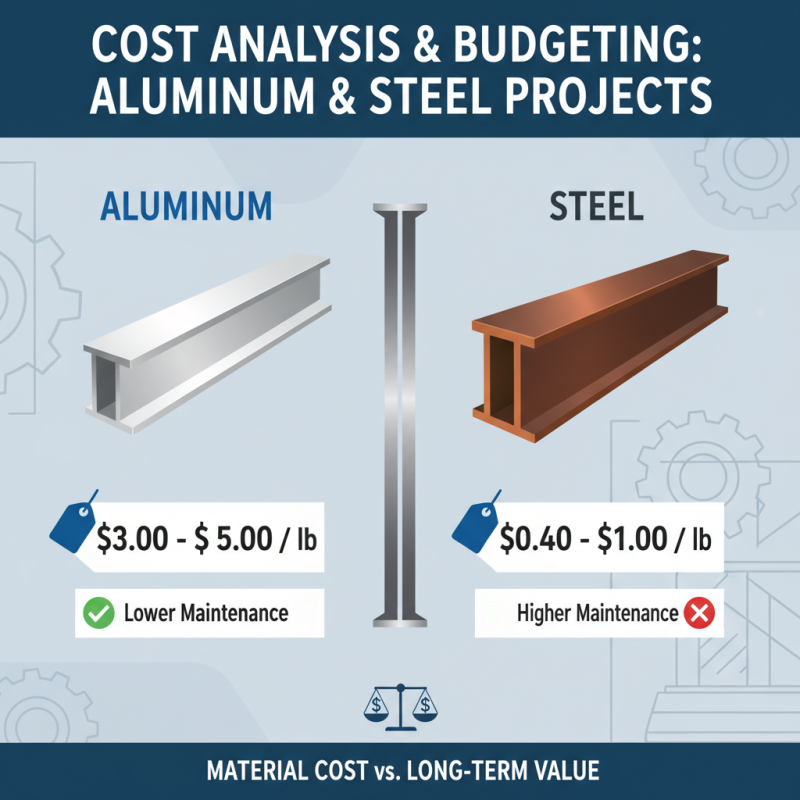
When considering projects that utilize aluminum or steel, cost analysis is essential. According to industry reports, aluminum typically costs around $3.00 to $5.00 per pound, while steel ranges from $0.40 to $1.00 per pound. This stark price difference can heavily influence project budgets. However, lower material costs for steel do not always translate to savings. Steel can require more maintenance than aluminum, potentially increasing long-term expenses.
In addition to initial costs, the value of strength-to-weight ratio comes into play. Aluminum is lightweight, making transportation easier and cheaper. This reduces overall project costs significantly. For instance, projects utilizing aluminum can save up to 30% on shipping costs compared to heavier steel counterparts. However, if strength and durability take precedence, steel may be the better choice despite its higher transportation costs.
Another area of concern is the environmental impact. Aluminum production is energy-intensive, with a carbon footprint that can be double that of steel. This aspect can affect project budgeting, especially for companies aiming for sustainability. It’s vital to weigh the long-term environmental costs against initial savings. Balancing upfront costs with projected future expenses is crucial in making an informed decision.
Common Applications and Use Cases for Aluminum and Steel
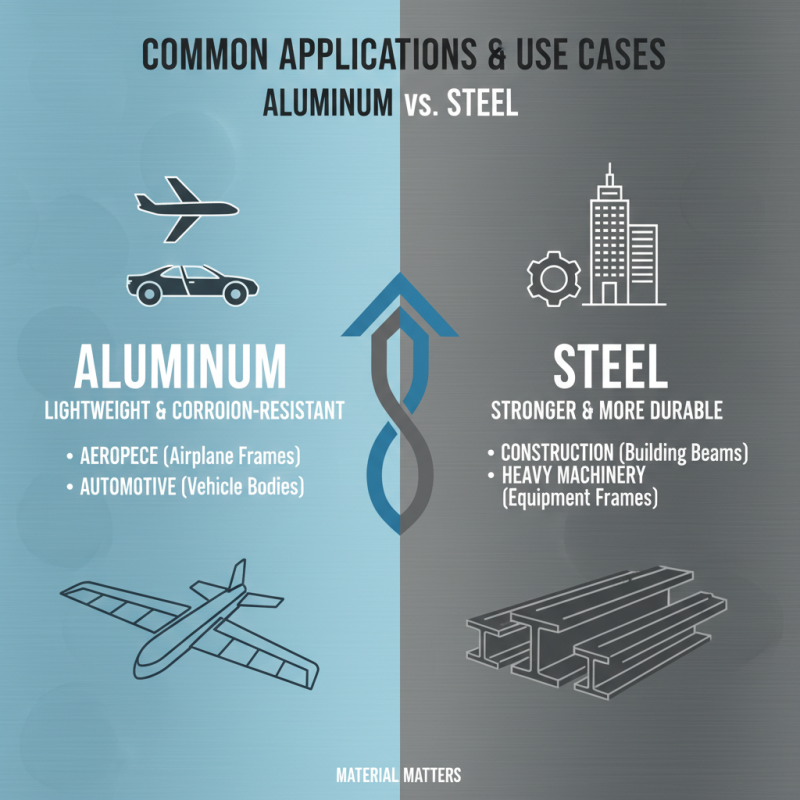
When choosing materials for various projects, understanding the common applications of aluminum and steel is vital. Aluminum is lightweight and resistant to corrosion. It's widely used in the aerospace and automotive industries. For instance, airplane frames often rely on aluminum for its strength-to-weight ratio. In contrast, steel is stronger and more durable. This makes it a preferred choice for construction and heavy machinery. Steel beams can support large structures effectively.
In daily life, aluminum is found in packaging and cooking utensils. This versatility makes it a favorite for many household items. Meanwhile, steel is often used in tools and outdoor furniture due to its toughness. However, each material has its drawbacks. Aluminum can be more prone to warping under extreme heat. Steel, while strong, can rust if not treated properly. Weighing these factors is crucial for project success.