How to Choose the Best Toxic Gas Detector for Your Needs?
Choosing the right Toxic Gas Detector is essential for ensuring safety in various environments. John Smith, an industry expert in gas detection technology, once stated, “A reliable detector is your first line of defense against toxic gases.” Knowing this, it's crucial to understand the key aspects of selecting an effective device.
Toxic gas exposure can lead to severe health issues. Selecting the appropriate detector involves understanding your specific needs. Consider factors like gas types, detection range, and response time. Different situations demand different features. A detector with a fast response time can save lives in emergencies.
The market offers various options, but not all are created equal. Testing capabilities and durability are essential features. Some detectors are more sensitive than others. They might trigger false alarms, leading to frustration. It's vital to find a balance between sensitivity and reliability. Investing in a high-quality Toxic Gas Detector ensures safety and peace of mind.
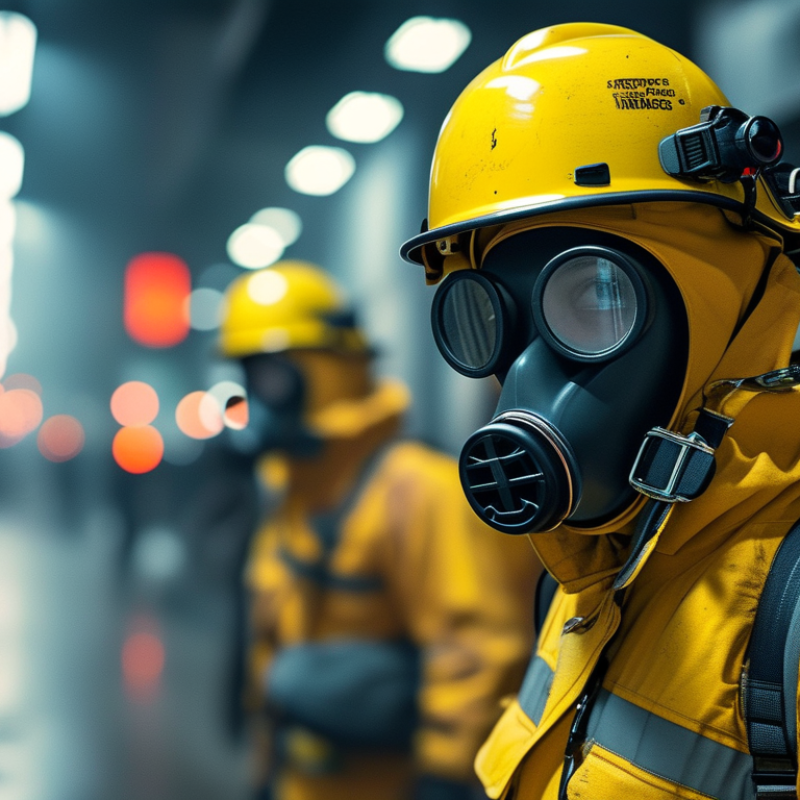
Understanding the Different Types of Toxic Gas Detectors Available
When selecting a toxic gas detector, understanding the types available is crucial. There are several main categories to consider. First, electrochemical sensors are common for detecting gases like carbon monoxide and hydrogen sulfide. These sensors offer high sensitivity and quick response times, making them suitable for confined spaces. According to a 2022 industry report, these detectors account for over 40% of the market due to their effectiveness.
Another type includes infrared sensors, ideal for detecting gases like methane and carbon dioxide. These sensors work by measuring the absorption of specific wavelengths of light. They can offer significant advantages in terms of accuracy and durability, especially in varying temperature conditions. However, they can be more expensive, and users must ensure they have the necessary calibration tools.
Tips: Always assess your environment. Consider gas types that may be present. Ensure the detector is calibrated for those specific gases. Regular maintenance is key to reliable readings.
Portable gas detectors are also gaining popularity. They provide flexibility for outdoor or industrial applications. Many feature data logging capabilities, which can enhance safety compliance. However, it’s important to choose models with robust battery life and ease of use.
Investigate user reviews and industry standards when making your decision. This will help ensure you choose a reliable detector that meets your needs effectively. Remember, the goal is to protect lives and prevent hazardous situations.
Comparison of Different Types of Toxic Gas Detectors
This chart compares the response time, detection range, and average cost of various types of toxic gas detectors to help you choose the best option for your needs.
Key Features to Consider When Selecting a Toxic Gas Detector
Selecting a toxic gas detector involves careful consideration of several key features. Sensitivity ratings are crucial. A detector should effectively identify hazardous gas concentrations. Many industry experts recommend a minimum sensitivity of 1 ppm (parts per million). This level allows for early detection, minimizing health risks.
Another important feature is the response time. Ideal detectors display readings within seconds. This rapid response is vital in emergency situations. Recent studies show a direct link between response time and safety outcomes in industrial environments. Delays can lead to severe consequences.
Calibration and maintenance requirements are also critical. Reliable detectors need regular calibration for accuracy. Some models offer self-calibration features, enhancing reliability. Additionally, user-friendly interfaces are vital. Complex controls can lead to errors, particularly in high-stress scenarios. Therefore, consider ease of use alongside functionality. Balancing these elements ensures the chosen detector meets specific safety needs effectively.
Assessing Sensitivity and Accuracy Levels in Gas Detection
When selecting a toxic gas detector, sensitivity and accuracy are paramount. Sensitivity refers to the detector’s ability to identify low concentrations of gas. A highly sensitive detector can alert users to hazardous conditions before they become critical. This is essential in workplaces with a high risk of exposure. However, too much sensitivity can lead to false alarms, causing unnecessary disruptions. Understanding the right balance is crucial.
Accuracy is equally important. It dictates how correctly the detector measures gas concentrations. An accurate device provides reliable readings that inform safety protocols. Inaccurate measurements can lead to complacency or panic. Testing and calibrating the detector regularly enhances its accuracy. Consider the detection range as well. A wider range means the detector can identify more types of gases, broadening its application.
Don’t overlook environmental factors that affect performance. Temperature and humidity can impact readings. Some models are more resilient than others in adverse conditions. User experience informs practical insights. Many users suggest prioritizing features essential to your specific environment. Reflect on your needs, and don’t rush the decision-making process. Choose a detector that seamlessly aligns with your safety measures while ensuring reliable performance.
Evaluating Power Source Options for Your Toxic Gas Detector
Choosing the right power source for a toxic gas detector is crucial. The choice can impact durability and functionality. Traditional options include battery and AC power. Batteries provide portability. They are essential for fieldwork. However, battery life can be a concern. Reports indicate that up to 40% of users experience unexpected battery drain in portable detectors.
AC power offers stability. It suits fixed installations well. However, it limits placement flexibility. Wired detectors are confined to one location. This can hinder response times in emergencies. According to industry analysis, nearly 30% of installations using AC power had delayed alerts due to wiring issues.
Hybrid power sources are emerging. These options combine batteries and AC power. They aim to provide flexibility and reliability. Users can seamlessly switch between power sources. This adaptability is valuable in high-risk environments. However, hybrid systems may require more maintenance. Regular checks are necessary to ensure both power sources function properly. Understanding these pros and cons is vital in making an informed decision.
How to Choose the Best Toxic Gas Detector for Your Needs? - Evaluating Power Source Options for Your Toxic Gas Detector
| Power Source Type | Advantages | Disadvantages | Typical Use Cases |
| Battery Powered | Portable, easy to use, no cords | Limited operational time, need battery replacements | Fieldwork, outdoor environments |
| AC Powered | Consistent power, reliable for long-term use | Dependent on power source, less portable | Permanent installations, industrial spaces |
| Rechargeable | Cost-efficient, eco-friendly options | Need time to charge, heavier than batteries | Frequent use environments, short trips |
| Solar Powered | Sustainable, low operation costs | Dependent on sunlight, less reliable in poor weather | Remote areas, off-grid applications |
Reviewing Maintenance and Calibration Requirements for Gas Detectors
Choosing the right gas detector is crucial for safety. One key aspect often overlooked is maintenance and calibration. Regular maintenance ensures that the device functions correctly and accurately. Calibration adjusts the detector to ensure it reads gas concentrations accurately.
Tips for maintenance include checking the user manual for specific guidelines. Regularly inspect the detector for damage. Keep the sensor clean and free from contaminants. Check battery levels frequently. A short battery life can lead to failures in critical situations.
Calibration should be done at least annually. Some environments, however, may require more frequent calibration. Factors such as temperature and humidity can impact performance. Ensure you have the right calibration gas for your model when performing this task. Documenting these maintenance activities is essential.
Reliable records help identify patterns in performance and allow for better decision-making.
