How to Choose the Best Steel Products for Global Procurement?
Choosing the best steel products for global procurement is critical for businesses today. The global steel market is projected to reach approximately 1.6 billion metric tons by 2025, according to industry reports. This growth underlines the importance of making informed decisions. Selecting quality steel products can significantly impact supply chain efficiency and operational costs.
Steel products vary widely in specifications and applications. Companies often struggle with understanding which standards to prioritize. For instance, the specifications outlined by ASTM International are essential for ensuring quality and compliance. Moreover, assessments by the World Steel Association indicate a rising demand for sustainable steel solutions. This evolution in the market demands a keen eye for details.
However, procurement is fraught with challenges. Price volatility and fluctuating demand can lead to unanticipated costs. Firms must balance quality and expense while navigating a complex landscape. Reflecting on past procurement decisions can reveal essential lessons. By leveraging industry insights, businesses can refine their strategies for sourcing the best steel products.

Identify Key Steel Product Requirements for Procurement
Choosing the right steel products for global procurement requires a clear understanding of your specific needs. Different industries demand varying properties in steel, such as tensile strength, corrosion resistance, or thermal conductivity. For instance, the construction sector often emphasizes strength and durability. On the other hand, automotive applications might prioritize lightweight materials with high tensile qualities.
It's also crucial to consider sustainability. More companies are seeking eco-friendly suppliers who prioritize recycling and sustainable practices. Doing so not only helps the environment but also meets the rising expectations from consumers. Evaluating a supplier's certifications and practices can reveal their commitment to these values.
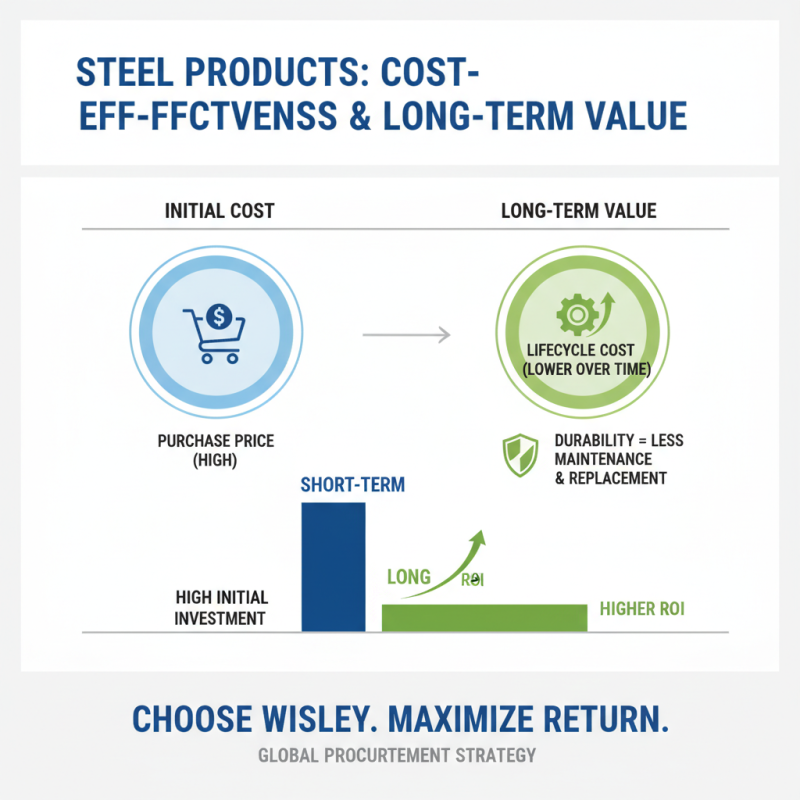
Lastly, understanding your budget constraints is vital. Quality steel can come at a premium. Balancing cost against quality can be challenging. You might face trade-offs that require careful thought. A cheaper product may not meet performance expectations, leading to future expenses. Reflecting on these factors ensures that your procurement process aligns tightly with both strategic goals and operational needs.
Evaluate Global Suppliers for Steel Quality and Reliability
When evaluating global suppliers for steel quality and reliability, understanding the nuances of the industry is essential. Many factors come into play. First, assess the supplier's certifications and standards. Valid quality certifications can indicate a commitment to excellence. However, don’t rely solely on these. Sometimes, companies may hold certifications without truly adhering to the required standards.
Visiting suppliers' facilities can provide invaluable insights. Observing production processes allows you to gauge their operational efficiency. It's crucial to ask about sourcing materials and testing procedures. Many suppliers claim to prioritize quality, but their practices often reveal a different story. Engage in discussions with other clients and read reviews. This feedback can highlight suppliers that excel in reliability versus those with questionable practices.
Additionally, consider cultural and logistical aspects. Communication can be challenging with international partners, impacting timelines and expectations. Establishing clear parameters is vital. Building long-term relationships with suppliers can enhance accountability and trust. Regular performance evaluations can help maintain these standards. In a world of evolving needs, staying attentive and adaptable is key.
Assess Compliance with Industry Standards and Regulations
Choosing the right steel products for global procurement requires a careful assessment of compliance with industry standards and regulations. These standards vary by region and industry, making due diligence essential. Understanding local and international guidelines ensures that products meet safety and quality expectations. For example, steel products used in construction must comply with specific grades for structural integrity.
Regular audits of suppliers can help in verifying compliance. Engaging third-party inspectors can provide an unbiased view of a supplier's commitment to standards. Documentation should be meticulously reviewed. Certification processes can differ dramatically, and missing paperwork may lead to serious implications. There have been instances where non-compliant products led to project delays and additional costs.
Maintaining a comprehensive database of regulations is critical for organizations involved in global procurement. Familiarity with these requirements fosters informed decisions. Ensure that your team is trained to recognize red flags in compliance. Continuous education on evolving standards is equally important. Compliance is not just a box to check; it’s foundational to sustainable practices in procurement.
How to Choose the Best Steel Products for Global Procurement? - Assess Compliance with Industry Standards and Regulations
| Product Type |
Material Grade |
Industry Standard |
Compliance Status |
Region of Procurement |
| Steel Plate |
S235JR |
EN 10025 |
Compliant |
Europe |
| Steel Beam |
S355J2 |
EN 10034 |
Compliant |
America |
| Reinforcing Bar |
B500B |
BS 4449 |
Compliant |
Asia |
| Steel Pipe |
API 5L B |
API 5L |
Compliant |
North America |
| Cold Rolled Steel |
SPCC |
JIS G3141 |
Compliant |
Asia |
Examine Logistics and Supply Chain Factors in Global Procurement
When evaluating logistics and supply chain factors in global procurement, it’s essential to understand varying transportation modes.
About 83% of goods are moved via sea freight. Due to increasing fuel costs, sea transport has seen a 20% rise in rates.
Air freight, while faster, can be up to 6 times more costly. This disparity highlights the need for careful cost analysis.
Supplier reliability is another significant factor. A survey shows that 58% of businesses report experiencing delays due to poor supplier performance.
Establishing clear communication channels can mitigate this issue. It’s important to have backup suppliers ready, especially for critical materials.
The importance of local supply sources should also not be underestimated. Nearshoring could reduce lead times by up to 30%.
Inventory management plays a crucial role too. According to industry reports, poor inventory practices can lead to a 20% increase in holding costs.
Implementing just-in-time strategies may help, but can create vulnerabilities. Each of these components should be weighed with caution.
Planning for potential disruptions is critical in today's volatile markets.