How to Choose the Best Hand Push Thermoplastic Marking Machine?
Choosing the right Hand Push Thermoplastic Marking Machine can be a daunting task. With various options available, it's essential to understand the key features that matter most. Brian Miller, a recognized expert in road marking technology, emphasizes, "Selecting the right machine can enhance both efficiency and durability." His insight underscores the importance of informed choices in this industry.
A Hand Push Thermoplastic Marking Machine should be evaluated based on several criteria. Consider the machine's weight, maneuverability, and ease of use. A heavier machine may provide stability, but it can also be cumbersome. Furthermore, the design should allow for easy handling in tight spaces. Special attention should be given to the melting capacity and heating time, which directly affect performance.
Potential buyers often overlook the significance of service and support. A reliable manufacturer should offer comprehensive training and responsive customer service. It's also prudent to reflect on the long-term investment. Cheaper machines may impede your productivity over time, leading to unexpected costs. Evaluating these aspects will ensure that you make a well-informed decision in choosing a Hand Push Thermoplastic Marking Machine.
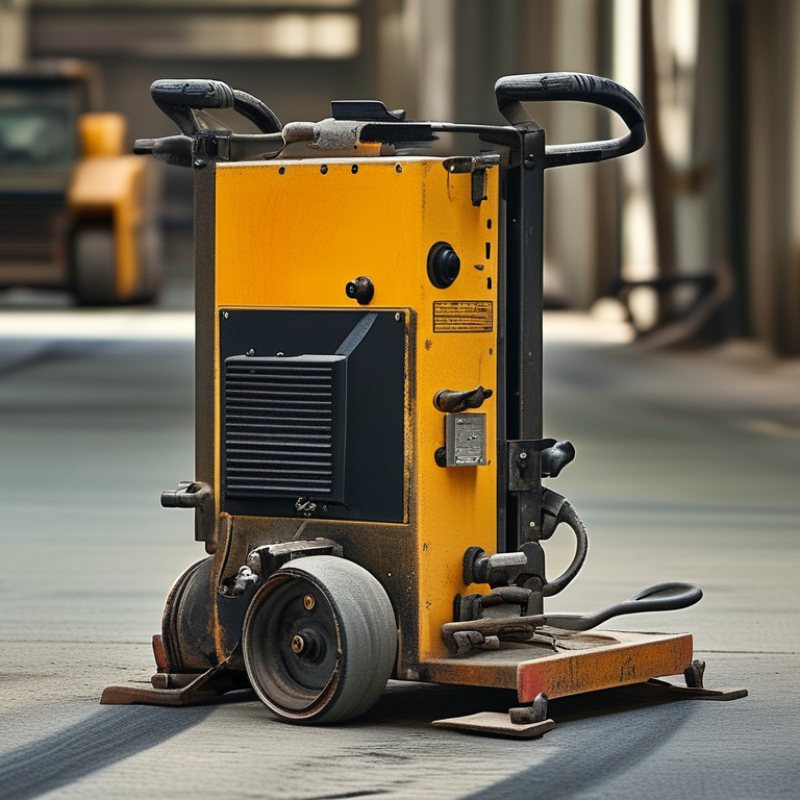
Consider Your Project Requirements and Surface Types
When choosing a hand push thermoplastic marking machine, it's essential to consider your project requirements and surface types. Different surfaces demand specific techniques and materials. For example, asphalt and concrete surfaces react differently to thermoplastic materials. Understanding these nuances will guide your selection process significantly.
Take the time to evaluate the conditions of the surface where you will be marking. Uneven or porous surfaces may require a different approach than smooth, flat ones. In some cases, additional surface preparation might be necessary. If the surface is damaged, marking may not adhere properly. This could lead to premature wear or fading.
Additionally, consider the scale of your project. Large areas may benefit from machines designed for efficiency, while smaller projects might only require compact models. Your needs may change over time. Reflecting on past experiences can provide insights into what worked well and what didn't. Spending a bit of time on research can help avoid mistakes in the future.
Evaluate Thermoplastic Materials and Their Properties
When choosing a hand push thermoplastic marking machine, understanding thermoplastic materials is crucial. Thermoplastics are widely used in road marking due to their durability and reflectivity. According to a report by the Federal Highway Administration, over 50% of highway markings in the U.S. use thermoplastic materials. These materials can withstand harsh weather conditions and help maintain visibility during rain or snow.
Different thermoplastic materials possess varied properties. For instance, some offer higher resistance to wear and tear, while others enhance visibility. A study from the American Society of Civil Engineers highlights that using reflective thermoplastic can increase visibility by 40% at night. This insight is critical for road safety. However, it’s important to note that not all thermoplastics are created equal. Some may degrade faster under UV exposure, leading to costly repairs.
Evaluating the specific needs of a project is essential. Factors like traffic volume, geographic location, and climate all influence material choice. For example, regions with heavy traffic may require a more robust formulation. Moreover, ongoing maintenance is often overlooked. Without proper care, the benefits of the chosen material could diminish over time. Thus, careful consideration and evaluation of thermoplastic properties can lead to better decision-making in road marking projects.
Comparison of Thermoplastic Materials for Marking
Assess Machine Size and Weight for Mobility and Usability
When selecting a hand push thermoplastic marking machine, size and weight are crucial factors. A machine that is too heavy may hinder mobility, making it challenging to navigate tight spaces. Research by the Road Marking Association suggests that a machine weighing between 80 and 150 pounds offers a good balance between stability and portability. These machines are easier to maneuver, especially on uneven surfaces.
Usability is also significantly influenced by the machine's weight. Operators often report fatigue when using heavier machines for extended periods. This indicates the importance of considering ergonomic design. Additionally, manufacturers suggest machines with adjustable handles to cater to various operator heights, improving comfort.
Portability impacts project timelines. A lightweight machine enables quicker transport, allowing workers to set up jobs in multiple locations efficiently. However, some operators may prioritize power over portability, leading to potential inefficiencies. An ideal marking machine should provide adequate power while remaining manageable for daily use. Choices should reflect specific project needs and operator preferences.
Review Key Features: Heating System and Applicator Design
When selecting a hand push thermoplastic marking machine, the heating system is crucial. A reliable heating system ensures the thermoplastic material melts evenly. This consistency affects line thickness and durability. Machines with advanced heating elements can save time. They allow for quick setup and continuous operation. Fast heating cuts down delays in project timelines.
Applicator design should not be overlooked. A well-designed applicator ensures smooth application and better control. Look for features that allow easy adjustments for different line widths. Some machines have ergonomic handles for comfortable use. However, it’s essential to evaluate the balance. A machine that feels heavy might lead to fatigue during extended use.
While many machines boast impressive features, not all live up to expectations. Some users report issues with inconsistent markings. It’s important to consider real-world experiences. Reviews can provide insights into long-term performance. Reflect on these aspects to make an informed choice. A thoughtful decision can lead to efficient and effective road markings.
Compare Manufacturer Reputation and Support Services
When selecting a hand push thermoplastic marking machine, evaluating the manufacturer's reputation is key. A reliable manufacturer often indicates the quality of their machines. According to industry reports, 75% of customers prefer established brands with positive reviews. Look for user testimonials detailing both machine performance and customer service experiences.
Support services are equally vital. Make sure the manufacturer offers comprehensive support, including training and maintenance. A report from the Pavement Marking Association states that 60% of users experience issues due to inadequate training. Therefore, inquire about the availability of instructional resources. Feedback from previous buyers can provide insights into the effectiveness of these services.
Additionally, consider the warranty and repair policies. An extensive warranty signals confidence in the product. However, not all reputable manufacturers offer the same level of post-purchase care. A discerning buyer should evaluate what is provided and how readily available support is. Investing time in research here can prevent future frustrations.
