Why Choose Solar Transformers for Your Renewable Energy Needs?
In the growing field of renewable energy, the importance of Solar Transformers cannot be overstated. Industry expert Dr. Emily Carter emphasizes, “Solar transformers are essential in optimizing energy conversion and efficiency.” These devices play a crucial role in solar power systems, ensuring reliable energy output from solar panels to the grid. Their specialized design supports high voltage transformations, making them vital for large-scale solar installations.
Yet, the choice of a solar transformer requires careful consideration. Factors such as load capacity, environmental conditions, and cost-effectiveness must guide the decision. Solar transformers differ in quality and performance, and not all options are equally reliable. Selecting the wrong model can lead to inefficiencies and increased operational costs.
Investing in a quality solar transformer can lead to long-term benefits. However, many users still overlook important specifications that affect system resilience. As the solar industry evolves, ongoing education about these components remains essential for success. Laying the groundwork with adequate knowledge ensures that renewable energy systems operate optimally and effectively harness the sun's power.
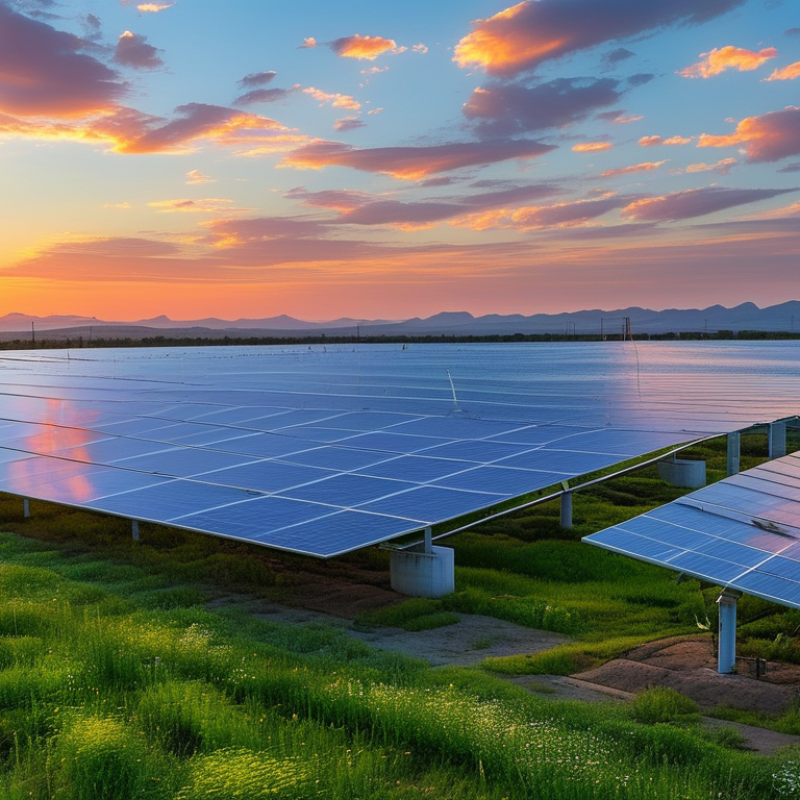
Benefits of Using Solar Transformers in Renewable Energy Systems
Solar transformers play a crucial role in renewable energy systems. They convert the direct current from solar panels into usable alternating current. This process ensures that energy produced can effectively power homes and businesses. A properly sized transformer can enhance system efficiency. It minimizes energy loss during conversion.
The advantages of using solar transformers extend beyond just energy conversion. They offer a level of protection to solar power systems. By managing voltage fluctuations, they help maintain stability. This is particularly important during peak usage times. A robust transformer can prevent damage to both the solar panels and connected appliances.
However, not all transformers are created equal. Choosing the right one requires careful consideration. Factors like load requirements, installation location, and environmental conditions must be examined. A poorly selected transformer may lead to subpar performance. This highlights the importance of seeking expert advice. In the rapidly evolving field of renewable energy, staying informed is essential.
Key Features of Solar Transformers for Efficient Energy Conversion
Solar transformers play a vital role in renewable energy systems, especially in solar power. These transformers are designed to convert direct current (DC) from solar panels into alternating current (AC) for use in homes and businesses. An efficient solar transformer boosts energy conversion rates, which is crucial for maximizing solar energy usage.
One key feature is their durability. Solar transformers must withstand varying environmental conditions. They are often built with materials that resist corrosion and weather-related damage. This resilience ensures long-term performance and reliability. Another important aspect is their compact size. Space can be limited in solar installations, so having a smaller transformer is advantageous.
Efficiency is a critical factor. High-quality solar transformers minimize energy losses during conversion. Some models include advanced cooling systems to maintain optimal performance. However, not all transformers meet these high standards. Users must perform due diligence to find reliable options. Investing in a trusted transformer leads to better energy efficiency and overall system effectiveness.
Comparison of Solar Transformers to Traditional Transformers
When comparing solar transformers to traditional transformers, several key differences emerge. Solar transformers are specifically designed for renewable energy systems. They manage direct current (DC) and convert it into alternating current (AC) efficiently. This makes them ideal for solar energy applications. Traditional transformers, on the other hand, primarily handle AC. Thus, they may not perform optimally in a solar setup.
Efficiency is another important aspect. Solar transformers typically have enhanced efficiency ratings. They minimize energy loss during conversion. In contrast, traditional transformers can be less efficient in handling solar-generated energy. This can lead to increased operational costs over time. Solar transformers also feature advanced protective mechanisms. These features ensure better safety and reliability in solar power systems.
However, adopting solar transformers is not without its challenges. Initial costs can be higher compared to traditional counterparts. Additionally, installation requires specialized knowledge. Integrating these transformers into existing systems may pose difficulties. Each energy project is unique and requires careful consideration. The choice ultimately depends on specific energy needs and project goals.
Why Choose Solar Transformers for Your Renewable Energy Needs? - Comparison of Solar Transformers to Traditional Transformers
| Feature | Solar Transformers | Traditional Transformers |
| Energy Source | Renewable Solar Energy | Non-renewable Energy Sources |
| Environmental Impact | Minimal Carbon Footprint | High Environmental Pollution |
| Efficiency | High Efficiency (95% and above) | Moderate Efficiency (85%-90%) |
| Maintenance | Requires Lower Maintenance | Higher Maintenance Required |
| Cost | Higher Initial Cost, Long-term Savings | Lower Initial Cost, Ongoing Expenses |
Factors to Consider When Choosing Solar Transformers
When selecting solar transformers, several key factors must be considered. Efficiency is paramount. A transformer that can minimize energy loss is essential. Look for high efficiency ratings. A well-rated transformer can significantly enhance the overall performance of your solar energy system. Consider the voltage output as well; it must align with your solar panels and system requirements.
Durability also plays a crucial role. Solar transformers are exposed to various weather conditions. Therefore, they should be built to withstand harsh environments. Materials that resist corrosion and ensure longevity are vital. Note that some transformers may fail prematurely due to poor construction or environmental factors.
Cost is another factor. While it’s tempting to choose cheaper options, this could lead to higher maintenance costs down the line. Evaluate the long-term benefits versus initial savings. Additionally, always check for certifications. This ensures the transformer meets industry standards, giving you peace of mind. It’s necessary to balance cost and quality. Sometimes, investing a bit more can save you from headaches in the future.
Why Choose Solar Transformers for Your Renewable Energy Needs?
Future Trends in Solar Transformer Technology for Renewable Energy
The future of solar transformer technology is promising. Innovations aim to increase efficiency while minimizing costs. New materials, like advanced semiconductors, can enhance performance. These developments could lower energy loss during conversion.
Emerging trends focus on smart technology integration. Solar transformers are evolving to incorporate real-time monitoring. Cloud-based analytics can identify performance issues quickly. This shift towards preventive maintenance may reduce downtime significantly.
Despite these advances, challenges remain. Adapting to fluctuating energy demands is complex. The need for robust infrastructure is critical. Investments in research and development are essential for overcoming these hurdles. Continued collaboration among experts will drive growth in this field.
