How to Choose the Best Vacuum Switch for Your Needs?
Choosing the right Vacuum Switch is crucial for various applications. It plays a significant role in controlling pressure levels in systems. A fitting choice can enhance performance and ensure safety. However, the options available can be overwhelming. You may feel uncertain about which type is best for your needs.
There are many factors to consider when selecting a Vacuum Switch. These include pressure ranges, materials, and compatibility with existing systems. Mismatched components often lead to failure, which can be costly. Understanding each component's specifications is key. Relying on expert advice can save time and resources.
Think about your specific requirements. Do you need a simple on/off function or a more intricate control system? Often, it’s easy to overlook the finer details that can impact functionality. Take the time to research, and you will make a more informed decision. Balancing quality with budget constraints is also a challenge. Reflections on your choices can lead to better outcomes in the long run.
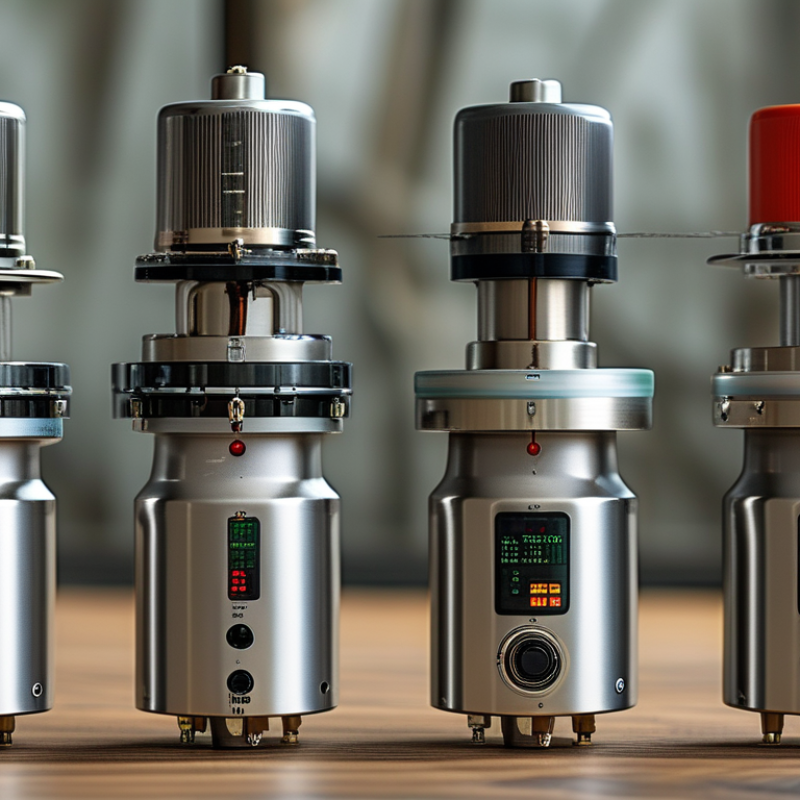
Understanding Vacuum Switches: Types and Applications
Vacuum switches are integral components in various applications. They help control and monitor pressure and vacuum levels. Understanding the types can greatly impact your project’s efficiency.
There are several types of vacuum switches. A mechanical vacuum switch operates based on diaphragm movement. It can be quite reliable. On the other hand, electronic switches offer precise control. Both types have their pros and cons. For instance, mechanical switches can wear out over time. Electronic options may be more expensive initially but offer better durability.
Applications vary widely. In HVAC systems, vacuum switches ensure optimal performance. They monitor pressure levels in refrigeration units. In industrial settings, they play a vital role in maintaining safety and efficiency. Choosing the right type depends on your specific needs. Assessing your system requirements is key. It’s essential to reflect on long-term needs versus immediate ones.
Factors to Consider When Choosing a Vacuum Switch
Choosing the right vacuum switch involves several important factors. Understanding these factors can greatly enhance performance and reliability. One of the first things to consider is the pressure range. Different applications require specific pressure levels. Be sure the switch can handle fluctuations in pressure. The wrong choice may lead to system failure.
Another crucial aspect is the electrical specifications. Ensure the switch is compatible with your power supply. Pay attention to the voltage and current ratings. A mismatch can cause overheating or even permanent damage. Also, look at the connection type. It should fit perfectly with your existing system.
Lastly, think about the environment where the switch will be used. Temperature extremes and moisture levels can affect functionality. Selecting a switch with suitable protection can prevent unexpected breakdowns. Reflection on this can help you avoid future issues. Each detail matters in the selection process. Trust your instincts and seek professional advice when needed.
Evaluating the Specifications of Vacuum Switches
When evaluating vacuum switches, understanding their specifications is crucial. The first aspect to consider is the operating pressure range. Each application may require a different pressure setting. A switch that operates between 0 to 30 inches of mercury might suit a specific need, while others may require a different range.
Another important specification is the electrical rating. It determines how much power the switch can handle safely. Choosing a switch with adequate ratings ensures that it will not overheat or fail during operation. Additionally, consider the type of connection. Threaded or snap-on connections may be more suitable depending on your setup.
The size and material of the vacuum switch can also affect performance. Smaller switches can be placed in tight spaces, while materials like stainless steel offer durability. However, some materials may not withstand certain chemicals or temperatures. Reflecting on your specific requirements can lead to better choices. Always keep in mind that the perfect vacuum switch does not exist; it's about finding one that aligns best with your application.
Vacuum Switch Specifications Comparison
Selecting the Right Material for Durability and Performance
When choosing a vacuum switch, the material plays a critical role in both durability and performance. Different materials offer varying levels of resistance to heat, pressure, and environmental conditions. Common materials include nylon, brass, and stainless steel. Each has its advantages and potential downsides. For instance, nylon is lightweight but may not withstand high temperatures as effectively as stainless steel.
Tips for selecting materials include considering the operating environment. If the switch will be exposed to moisture or chemicals, a corrosion-resistant material is essential. Stainless steel can be a good choice for harsh conditions, while plastic materials might be suitable for less demanding environments. Always evaluate the specific needs of your application before deciding.
Another factor to ponder is long-term reliability. Sometimes, lower-cost materials seem appealing, but they may lead to frequent replacements. This could cost more over time. Investing in quality materials often pays off in the long run. Users should periodically review the performance of their vacuum switches and replace them before failure occurs. Reflect on your specific needs and budgets when making a decision.
How to Choose the Best Vacuum Switch for Your Needs? - Selecting the Right Material for Durability and Performance
| Material | Durability Rating | Temperature Resistance (°C) | Pressure Rating (PSI) | Applications |
| Nylon | Good | -20 to 90 | 150 | Industrial Systems |
| Brass | Excellent | -10 to 120 | 200 | Automotive |
| PVC | Fair | 0 to 60 | 100 | Home Appliances |
| Aluminum | Very Good | -30 to 100 | 150 | HVAC Systems |
| Silicone | Excellent | -40 to 200 | 120 | Food Industry |
Installation and Maintenance Tips for Vacuum Switches
When selecting a vacuum switch, installation and maintenance are critical. An effective installation ensures optimal performance. Begin by ensuring the environment is clean and dry. Dirt or moisture can hinder functionality. Clear any obstruction around the switch area. This can prevent malfunctions.
Routine maintenance is essential for longevity. A study by the International Society of Automation found that 70% of failures in pressure switches stem from insufficient care. Monthly checks can help. Inspect for any signs of wear or corrosion. These can affect the operation. Remember, a contaminated switch may lead to inaccurate readings.
Ensure that connections are secure. Loose wiring may create poor performance situations. It’s wise to consult the manufacturer’s guidelines regarding calibration. Some switches may require recalibration after installation. A well-kept switch enhances system reliability. Taking proactive steps can mitigate the need for extensive repairs.
