China Best Photovoltaic Bracket Solutions for Optimal Efficiency?
In the quest for sustainable energy, China stands out in developing innovative Photovoltaic Bracket solutions. These structures are crucial for solar panels. They ensure optimal positioning for maximum sunlight exposure. Typically made from durable materials, the brackets support the weight of solar systems, influencing efficiency.
Many factors determine the effectiveness of these brackets. For example, the angle and height can dramatically affect energy capture. Furthermore, the choice of materials impacts longevity and performance. However, companies must constantly analyze and improve their designs. The market evolves quickly, and innovation is key.
Despite advancements, some challenges remain. Environmental conditions can vary widely across regions, complicating bracket effectiveness. Additionally, adapting to different types of solar panels is essential. Companies should engage in ongoing research and redesign. This way, they can ensure that their Photovoltaic Bracket solutions are always on the cutting edge.
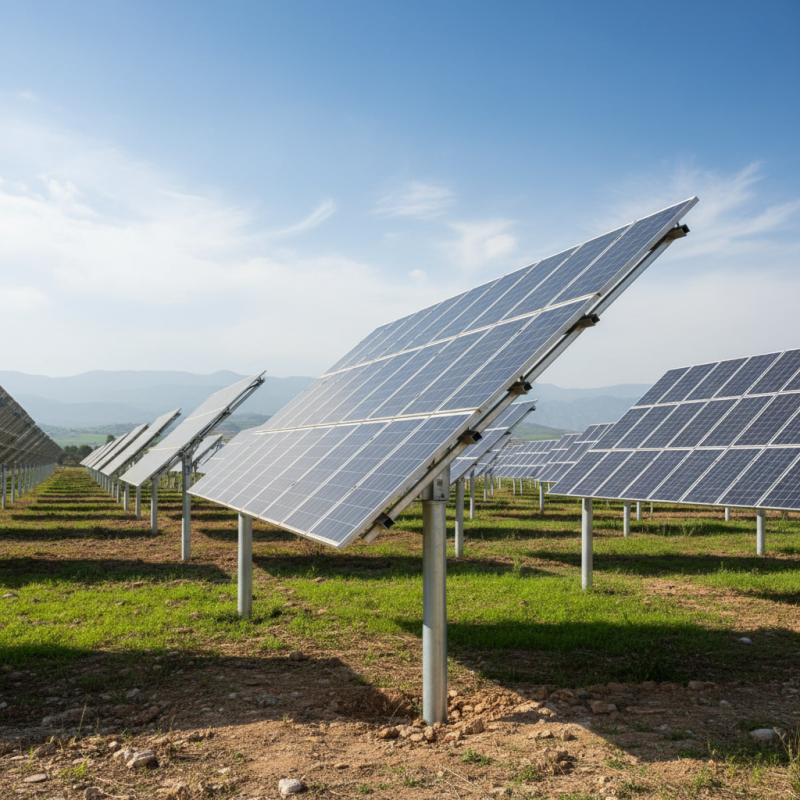
Understanding Photovoltaic Bracket Systems and Their Importance
Photovoltaic bracket systems play a crucial role in solar energy efficiency. These brackets support solar panels and ensure they capture maximum sunlight. Proper installation can lead to significant energy savings. The angle, material, and durability of these systems are vital. If installed incorrectly, panels may not perform at their best.
Tip: Always consider local weather conditions when selecting bracket materials. Wind and snow loads can affect durability. Choose materials that withstand your climate.
Understanding the types of brackets is essential. Fixed, adjustable, and tracking systems offer different benefits. Fixed brackets are simple and reliable. Adjustable systems allow for angle changes, optimizing sun exposure. Tracking systems, while more complex, can increase energy capture significantly.
Tip: Analyze your location’s sunlight patterns before installation. This knowledge can influence your choice of the bracket system. Awareness of shadowing from nearby structures is also important.
A detailed evaluation ensures that your investment in solar energy pays off. Sometimes, even a small miscalculation can lead to inefficiencies. Regular maintenance of the bracket system can help. Small adjustments or cleaning can enhance performance significantly.
Key Features of High-Efficiency Photovoltaic Brackets
When it comes to achieving optimal efficiency in photovoltaic systems, selecting the right brackets is crucial. High-efficiency photovoltaic brackets should offer durability and flexibility. They need to withstand harsh weather conditions while supporting solar panels securely. A robust design ensures longevity, even under extreme temperatures or heavy winds. Adjustable mounting features are essential. They allow for better angling of panels toward the sun, enhancing energy capture.
The materials used in these brackets matter as well. Corrosion-resistant materials can prolong the lifespan of installations. Lightweight yet sturdy options help ease installation processes. Even small design flaws can lead to decreased performance over time. These can affect the entire solar system's output. Users must also consider ease of maintenance. Brackets that are hard to access can complicate periodic checks. Therefore, design simplicity often leads to better long-term outcomes.
While many options exist, not all are equal. It's wise to conduct thorough research and possibly consult professionals. Small oversights can result in significant efficiency losses. High-quality brackets may come with an initial investment, but their benefits can outweigh the costs. Every detail contributes to the ultimate goal: maximizing energy production efficiently and effectively.
China Best Photovoltaic Bracket Solutions for Optimal Efficiency
This chart displays the efficiency ratings of various photovoltaic bracket materials. Aluminum alloy shows the highest efficiency, followed by composite materials and steel. Understanding the performance of different materials can help in selecting the optimal solution for photovoltaic installations.
Types of Photovoltaic Brackets Used in China
In China, various types of photovoltaic brackets are crucial for maximizing solar panel efficiency. Ground-mounted brackets are widely used due to their adaptability to different terrains. Data from recent industry reports shows that ground mount installations account for nearly 60% of all photovoltaic systems in China. These brackets provide stability and enhance sunlight exposure.
Inclined brackets are also common. They are designed to adjust the angle of solar panels, allowing them to capture more sunlight during different times of the year. A study indicated that using inclined brackets can increase energy generation by up to 15%. However, this type can lead to higher costs and complex installations.
Rooftop brackets are another major type, particularly in urban areas. They help save space and utilize existing structures for energy generation. Yet, the efficiency gains can be limited due to shadows from nearby buildings. Reports highlight that improper installation leads to a potential 10% drop in energy output. Thus, selecting the right bracket type is vital for optimizing overall solar efficiency in China's growing photovoltaic market.
China Best Photovoltaic Bracket Solutions for Optimal Efficiency
| Bracket Type | Material | Load Capacity (kg) | Tilt Angle | Installation Location | Efficiency (%) |
| Fixed Bracket | Aluminum | 250 | 30° | Rooftop | 90 |
| Adjustable Bracket | Galvanized Steel | 300 | 15° - 45° | Ground | 92 |
| Rail System | Aluminum | 400 | 20° | Rooftop | 95 |
| Ground Mount | Concrete | 500 | 25° | Open Field | 93 |
Factors to Consider for Optimal Bracket Installation
When installing photovoltaic brackets, location is a crucial factor. The angle of installation can affect energy capture. Solar panels should ideally face true south in the Northern Hemisphere. However, terrain and surrounding structures may complicate this ideal setup. It's important to assess local conditions carefully.
Material selection also plays a significant role. Brackets made from aluminum or galvanized steel are common. They offer different advantages in terms of weight and durability. Aluminum is lighter and resistant to corrosion, while galvanized steel is often more robust. The choice depends on the climate and environmental risks.
Lastly, consider the ease of maintenance. Accessible installations allow for routine cleaning and repairs. If brackets are poorly placed, they may make access difficult. This oversight can lead to long-term inefficiencies. Reflecting on these factors can improve the effectiveness of solar energy systems.
Innovations in Photovoltaic Bracket Technology for Enhanced Performance
Recent advancements in photovoltaic bracket technology have significantly transformed solar energy efficiency. These innovations enhance the durability and stability of solar panels, allowing them to perform under diverse environmental conditions. For instance, adjustable brackets enable optimal panel orientation, maximizing sunlight capture throughout the day.
New materials are also making waves in this field. Lightweight composites reduce overall system weight while providing robust support. However, not every design has achieved perfection. Some solutions struggle with weather resistance or require frequent maintenance. Testing these materials in various climates is essential for improvement. Small adjustments can lead to significant efficiency gains, but ongoing evaluation is crucial.
Additionally, modular designs are gaining popularity. They allow for easy expansion as energy needs grow. These brackets can be reconfigured to accommodate different installations. Nonetheless, balancing flexibility with structural integrity remains a challenge. Finding the right materials and designs requires constant iteration. As we innovate, we must remember that learning from failures is just as important as celebrating successes.
