China Best Metal Pipe Supplier for Reliable Global Sourcing?
In the world of industrial sourcing, China stands out as a leading provider of metal pipes. The country's extensive manufacturing capabilities and technical expertise make it a crucial player in the global market. Businesses around the world rely on metal pipes from China for their strength and durability.
Recent trends show an increasing demand for high-quality metal pipes. Sourcing from Chinese suppliers can ensure competitive pricing and reliable delivery. However, navigating this landscape can be challenging. Evaluating suppliers based on experience and authority is essential. Not all suppliers meet the same quality standards.
Choosing the right metal pipe supplier requires careful consideration. Some companies may not provide the necessary certifications. This can lead to issues in quality and compliance. Therefore, researching suppliers and their production methods is critical. Despite the potential challenges, with the right approach, sourcing metal pipes from China can be a rewarding decision.
Overview of China's Metal Pipe Industry
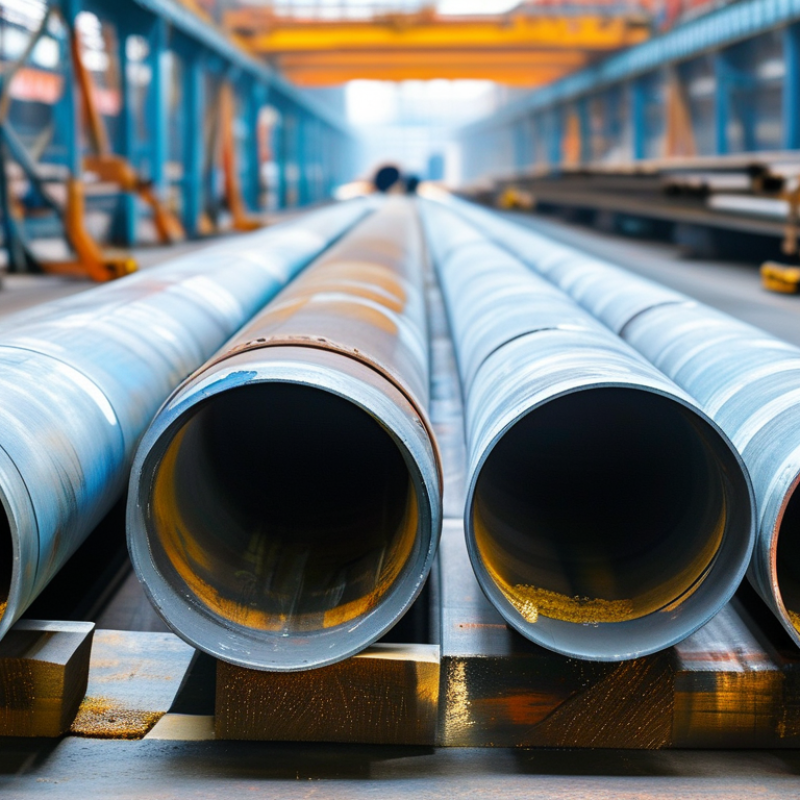
China's metal pipe industry has grown remarkably in recent years. It supplies a significant portion of the global market. The country's advanced manufacturing processes and skilled workforce contribute to high-quality products. Reliable sourcing from China can be beneficial for many businesses.
When sourcing metal pipes, consider the type that best suits your needs. Different industries require various specifications. The material, size, and coatings can all impact performance. Engaging with multiple suppliers can provide options and leverage for negotiations.
Quality control remains a crucial aspect when working with suppliers. Many manufacturers have adopted international standards, but variations can exist. It's wise to request samples before finalizing any large contracts. This step can help ensure that the metal pipes meet your precise requirements. Always keep communication open to address any concerns promptly.
Key Players in China's Metal Pipe Manufacturing
China has cemented its position as a major player in the global metal pipe manufacturing sector. The country produced over 10 million tons of metal pipes in 2022, driven by robust demand from various industries. This surge reflects China's growing influence in the supply chain, catering to sectors such as construction, automotive, and oil and gas.
Key players in this industry focus on innovation and quality control. Many manufacturers implement strict quality standards, with the ISO 9001 certification being a common benchmark. This commitment to quality enables them to meet the varying demands of international markets. However, challenges persist. The fluctuating raw material prices and evolving environmental regulations pose risks to consistent production.
Additionally, there's a growing emphasis on sustainability. Some manufacturers are adopting environmentally friendly practices, though not all have embraced these changes completely. This gap indicates a pressing need for improvement. As international customers become more environmentally conscious, the adaptation of sustainable methods will be crucial for suppliers aiming to maintain their competitiveness.
China Best Metal Pipe Supplier for Reliable Global Sourcing? - Key Players in China's Metal Pipe Manufacturing
| Company Type |
Annual Production Capacity (tons) |
Main Export Markets |
Certifications |
Product Range |
| Manufacturer |
250,000 |
North America, Europe |
ISO 9001, CE |
Steel Pipes, Aluminum Pipes |
| Exporter |
150,000 |
Asia, South America |
API, ASTM |
PVC Pipes, Copper Pipes |
| Trading Company |
100,000 |
Middle East, Africa |
ISO 14001 |
Stainless Steel Pipes, Carbon Steel Pipes |
| Manufacturer |
300,000 |
Worldwide |
ISO 9001, ASME |
Seamless Pipes, Welded Pipes |
Quality Standards and Certifications for Metal Pipes
When sourcing metal pipes globally, quality standards and certifications play a crucial role. Metal pipes must comply with specific industry standards to ensure safety and durability. Organizations such as ASTM International and ISO outline testing and quality benchmarks. For instance, according to a 2022 market report by Technavio, around 42% of buyers prioritize compliance with established standards when selecting suppliers.
Inspecting certifications is key. Manufacturers often hold ISO 9001, which signifies effective quality management systems. Other relevant certifications include ASME and API, which indicate adherence to industry guidelines and technical specifications. Research shows that compliant suppliers significantly reduce risks of defects and improve overall project reliability. However, despite these standards, inconsistencies may arise due to varying regional interpretations of quality benchmarks.
Moreover, ongoing debates exist about the effectiveness of these certifications. Some industry experts argue that mere compliance does not guarantee high-quality products. For instance, a study by MarketsandMarkets highlights that nearly 15% of manufacturers fail to maintain consistent quality despite having certifications. This inconsistency can lead to major project setbacks and increased costs. Therefore, while certifications are essential, they should be viewed with critical scrutiny.
Global Metal Pipe Certifications and Standards
Advantages of Sourcing Metal Pipes from China
Sourcing metal pipes from China has become a popular choice for businesses around the world. One key advantage is cost-effectiveness. Chinese manufacturers often offer lower production costs due to economies of scale and affordable labor. This translates to significant savings for companies looking to source materials without sacrificing quality.
Another notable benefit is the diversity of products. Chinese suppliers provide a wide range of metal pipe options, from stainless steel to carbon steel. This variety allows businesses to select materials that precisely meet their project requirements. However, quality control can sometimes be inconsistent. It's crucial to conduct thorough inspections and audits before finalizing any orders. This ensures that the products meet international standards.
The infrastructure for transportation and logistics in China is also advanced. Efficient shipping options reduce lead times, making it easier for global buyers to receive their materials promptly. Nonetheless, navigating language barriers can pose challenges. Clear communication with suppliers is essential to avoid misunderstandings. It's beneficial to establish strong relationships with reliable partners to ensure a smoother sourcing process.
Global Trade Dynamics and Trends in Metal Pipe Supply
Global trade dynamics in metal pipe supply are influenced by various factors. The rise in construction and infrastructure projects demands a steady supply of metal pipes. According to a recent industry report, the global metal pipes market is projected to reach $160 billion by 2026, growing at a CAGR of 4.5%. This trend reflects the increasing demand from sectors such as construction, automotive, and oil and gas.
China has emerged as a key player in the metal pipe supply chain. In 2022, it accounted for over 50% of the world's steel production. This gives Chinese suppliers a significant advantage in terms of pricing and availability. However, reliance on a single source poses risks. Supply chain disruptions can occur due to geopolitical tensions or export regulations. Diversifying sourcing strategies may be necessary to mitigate these risks.
Quality remains a critical concern for global buyers. Not all suppliers can meet international standards. Reports show that around 30% of imported metal pipes do not comply with rigorous safety norms. This calls for thorough vetting processes when selecting suppliers. Establishing long-term partnerships with reliable manufacturers can enhance trust and ensure consistent quality.