China Best Double Layer Belt Conveyor for Optimal Efficiency?
In the ever-evolving world of manufacturing and logistics, efficiency is paramount. The Double Layer Belt Conveyor stands out as a significant innovation in optimizing material handling processes. This advanced system enhances throughput and minimizes operational delays. It effectively manages heavy loads while ensuring delicate items remain secure.
One might think that investing in high-tech solutions guarantees success. However, it's essential to recognize the potential pitfalls. Misalignment, maintenance issues, and operational training can hinder performance. Businesses often overlook the importance of proper installation and continuous monitoring. A Double Layer Belt Conveyor isn’t just a piece of equipment; it's an integral part of a larger operational strategy.
Companies must stay informed. Trends in conveyor technology change rapidly. Adapting to these advancements ensures ongoing efficiency. This conversation around the Double Layer Belt Conveyor is not just about machinery; it's about enhancing industrial workflows sustainably. Exploring its benefits, challenges, and best practices will help businesses thrive in a competitive landscape.
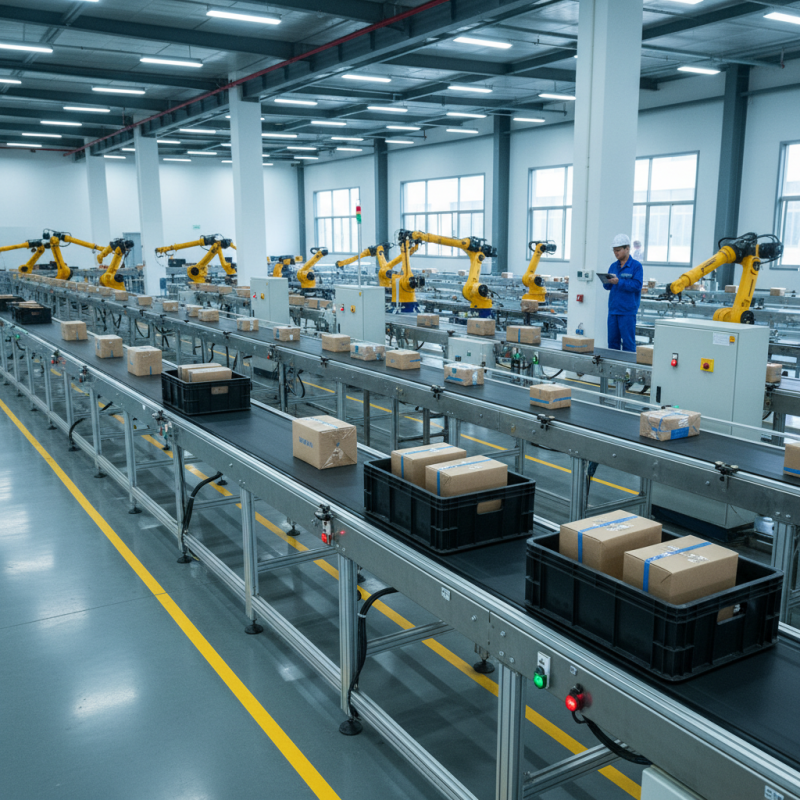
Overview of Double Layer Belt Conveyors in China
Double layer belt conveyors have become essential in various industries across China. They offer enhanced efficiency for transporting materials. These conveyors feature a unique design that allows for increased load capacity. The double-layer structure enables better organization and separation of goods, improving workflow.
In factories and warehouses, these conveyors help minimize labor costs and manual handling. Many facilities benefit from their ability to transport multiple types of products simultaneously. Yet, installation and maintenance can be challenging. Operators must ensure proper alignment and regular checks to avoid inefficiencies. Unexpected breakdowns may disrupt operations.
The growing demand for automation is pushing innovations in conveyor technology. Manufacturers are focusing on durability and energy efficiency. However, it’s important to evaluate the specific needs of each project. Not every facility may require a double-layer system. Conducting a thorough analysis can determine if this technology is the right fit.
Key Features of China’s Best Double Layer Belt Conveyors
China's best double layer belt conveyors offer significant advantages in various industries, enhancing operational efficiency. These conveyors are designed with specific features that make them stand out. Dual layers allow for improved load capacity, enabling the transport of more materials simultaneously. According to industry studies, they can increase throughput by 30% compared to traditional single-layer conveyors.
One key feature is adjustable speed control. This allows operators to set the optimal speed for different materials. Adaptive speed settings can lead to reduced wear and tear on equipment. Furthermore, the double belt system minimizes the risk of material spillage, ensuring a cleaner and safer work environment. Research from conveyor manufacturers indicates that fewer accidents occur when using double-layer systems due to their stability.
Tips: Regular maintenance enhances the lifespan of these conveyors. Inspect for wear and tear monthly to prevent costly downtime. Operators should also train staff on optimal loading techniques to maximize efficiency. Keeping the conveyor system clear of obstructions is vital for uninterrupted operation. Adapting to industry changes is crucial. Consider how the evolving technology in double layer systems can better serve your business needs.
Benefits of Using Double Layer Belt Conveyors for Efficiency
Double layer belt conveyors are becoming increasingly popular in various industries. They provide several advantages that can significantly boost efficiency. By utilizing two layers of belts, these conveyors can transport different materials simultaneously. This design maximizes space and minimizes the need for multiple conveyor systems.
Another benefit is their ability to reduce operational costs. With improved space usage, businesses can optimize workflows and reduce labor requirements. The dual-layer functionality also enhances the management of product flow. This can lead to faster delivery times and increased overall productivity. Maintenance becomes a key consideration. While double layer systems can reduce wear and tear on individual belts, they may require careful monitoring for alignment and tension. However, addressing these issues early can further enhance efficiency.
Additionally, using double layer conveyors may introduce challenges. For instance, they can be more complex to install and may require specialized training for operators. Companies need to weigh these factors against potential productivity gains. Still, the strategic implementation of double layer belt conveyors can yield significant returns on investment.
China Best Double Layer Belt Conveyor for Optimal Efficiency
| Feature | Description | Efficiency Benefit | Application Area |
| Double Layer Design | Utilizes two layers of belts for increased carrying capacity. | Enhances material transport efficiency without increasing footprint. | Manufacturing, mining, and logistics. |
| Energy Efficiency | Reduces energy consumption through optimized design. | Lower operational costs and reduced environmental impact. | Material handling and warehousing. |
| Versatility | Can transport a wide range of materials including bulky items. | Increases adaptability across different industrial sectors. | Construction, food processing, and recycling. |
| Safety Features | Incorporates guardrails and emergency stop buttons. | Enhances worker safety and reduces risk of accidents. | All industrial environments. |
| Modularity | Can be easily reconfigured and expanded as needed. | Offers scalability for growing operations. | Warehousing and distribution centers. |
Applications of Double Layer Belt Conveyors Across Industries
Double layer belt conveyors are gaining traction in various industries due to their enhanced efficiency. These systems are designed to carry more materials while occupying less space. According to a report by the International Journal of Industrial Engineering, double layer belt conveyors can boost capacity by up to 30% compared to traditional single-layer models. This significant increase in throughput can directly impact productivity and operational costs.
Industries such as mining and manufacturing have widely adopted double layer belt conveyors. In mining, these conveyors handle bulk materials such as coal and ores. Their robust design withstands harsh conditions while ensuring smooth transport. In manufacturing, they facilitate the movement of products across different stages, improving workflow and reducing bottlenecks. The versatility of these conveyors makes them suitable for various applications.
Despite their advantages, implementing double layer belt conveyors comes with challenges. These systems require proper maintenance and precise alignment. Even a slight misalignment can lead to increased wear and tear. Engineers must regularly assess the system's performance to avoid costly downtimes. A proactive approach ensures optimal function and maximizes the intended benefits. The continued evolution of technology will further enhance the capabilities of these conveyors.
Applications of Double Layer Belt Conveyors Across Industries
Factors to Consider When Selecting a Double Layer Belt Conveyor
When selecting a double layer belt conveyor, several key factors should be considered. The efficiency of these systems significantly impacts production processes. Industry reports highlight that implementing a double layer conveyor can enhance throughput by up to 30%. This improvement depends on the material flow and operational setup.
Load capacity is essential. Understanding the weight and volume of materials is crucial when choosing a conveyor. Some models handle up to 5 tons per hour. Additionally, energy consumption must not be overlooked. Research shows that energy-efficient systems can reduce operational costs by 15%.
Another factor is maintenance needs. Regular upkeep ensures longevity and optimal performance. Some companies report an increase in downtime attributed to inadequate maintenance protocols. Analyzing these components can guide businesses in selecting a conveyor that balances cost with operational efficiency.
