5 Best Wrapper Film Manufacturers for Global Buyers

Choosing the right Wrapper Film manufacturer can shape product protection, presentation, and supply reliability. Global buyers often compare film clarity, tensile strength, sealing behavior, puncture resistance, and thickness control. These details matter. A weak film may tear during transport, while an overly thick film can increase material use and shipping costs.

Packaging researcher Dr. Susan Selke offers a valuable principle: “Packaging decisions should consider the entire life cycle, not only the package itself.” That perspective guides this review. It considers manufacturing experience, quality systems, production capacity, export support, and practical sustainability evidence. Certifications can help, but they should not replace factory audits, product testing, or sample trials.

The five manufacturers selected here serve different buyer needs. Some focus on high-volume stretch applications. Others specialize in shrink film, printed overwrap, or customized packaging solutions. Their strengths may vary by region, order size, lead time, and technical requirements. Buyers should request current specifications and verify performance under real operating conditions.

No ranking is perfect. Market conditions change. Supplier performance can also depend on communication and local logistics. A polished website proves little. Clear test data proves more. This guide therefore looks beyond promotional claims, highlighting measurable capabilities and potential limitations. The goal is practical guidance for importers, distributors, and brand owners seeking dependable Wrapper Film partners. Shortlist carefully. Test before committing.

5 Best Wrapper Film Manufacturers for Global Buyers

What Wrapper Film Is and Why Global Buyers Use It

What Wrapper Film Is and Why Global Buyers Use It

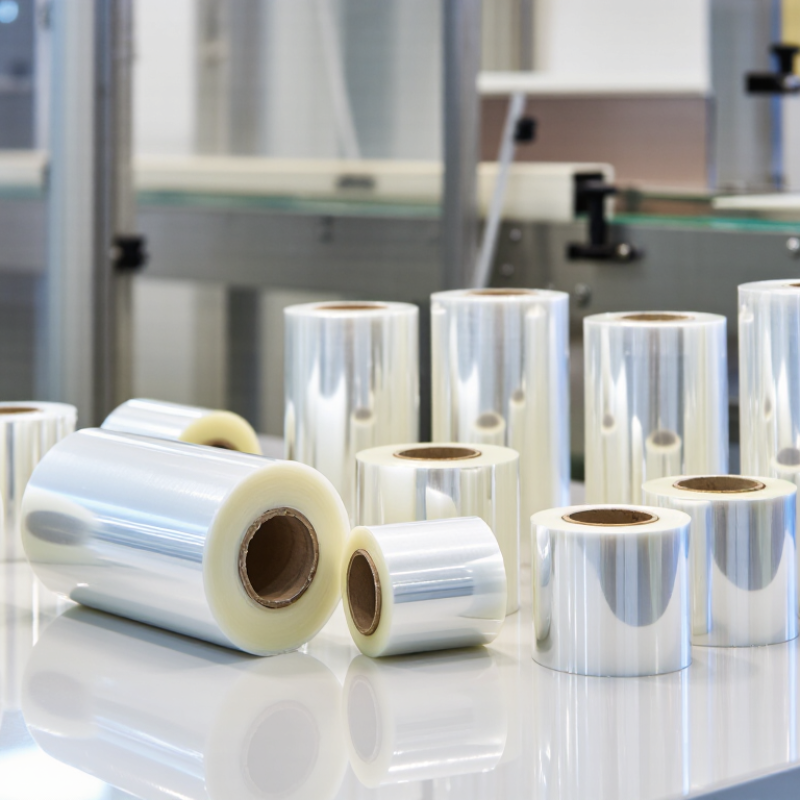
Wrapper film is a flexible plastic film used to surround, secure, or protect products during storage and transport. Common types include stretch film, shrink film, and specialty barrier film. Stretch film clings around cartons and pallets without adhesive. Shrink film tightens after controlled heating. Clear grades allow barcode checks and quick visual inspection.

Global buyers use wrapper film because it reduces dust, moisture exposure, abrasion, and load movement. A well-wrapped pallet can remain stable during forklift handling, container loading, and long ocean transit. In humid ports, suitable film may help protect cartons from surface moisture. In colder routes, impact resistance becomes more important. Film choice should match product weight, pallet shape, climate, and wrapping equipment.

Thickness is not the only quality measure. Buyers should review tensile strength, puncture resistance, elongation, sealing behavior, and consistency between production batches. Requesting test reports, technical data sheets, and sample rolls can reveal problems early. Edges matter too. Sharp carton corners may pierce a film that performs well in simple trials. Thinner film can lower material use, but it may increase breakage and rewrapping costs. That trade-off is easy to underestimate. Even experienced purchasing teams should test actual loads before approving a long-term supply agreement.

How to Evaluate Wrapper Film Manufacturers

When comparing wrapper film manufacturers, look beyond catalog photos and attractive price lists. Examine their production experience, material knowledge, and quality controls. A reliable supplier should explain film structure, thickness tolerance, sealing performance, and storage requirements clearly. Ask for recent test reports covering tensile strength, puncture resistance, clarity, and seal integrity. These details reveal more than polished sales language.

Request samples from different production batches. Test them on your actual wrapping equipment, including high-speed settings and sharp product edges. Check whether the film feeds smoothly, stretches consistently, and leaves clean seals. Review factory capacity, lead times, inspection procedures, and response times. Certifications can support credibility, but verify their scope and validity. I have learned that a certificate alone does not guarantee stable performance. A factory visit or independent inspection may reveal practical weaknesses.

Tips: Compare at least three suppliers using the same checklist. Ask how they handle rejected rolls, delays, and technical complaints. Confirm packaging, pallet conditions, and shipment protection before ordering. Discuss recyclable or reduced-material options, but request evidence instead of accepting broad environmental claims. Consider communication quality too. A capable manufacturer should answer technical questions without avoiding difficult details. No checklist is perfect. Leave room for trial orders and regular performance reviews.

Five Leading Wrapper Film Manufacturers for International Buyers

Five Leading Wrapper Film Manufacturers for International Buyers

The five leading wrapper film manufacturers for international buyers are judged by more than price. Export buyers usually compare film thickness, tensile strength, sealing performance, and production consistency. Smithers’ 2024 flexible packaging outlook indicates continued global demand growth, driven by food, healthcare, and consumer goods. That growth increases pressure on suppliers to deliver stable rolls across long shipping routes.

Strong manufacturers normally provide multilayer structures, precise gauge control, and documented quality testing. They should also support different wrapping systems, including manual, semi-automatic, and high-speed equipment. MarketsandMarkets projects the stretch film market to grow from about USD 3.9 billion in 2023 to USD 5.1 billion by 2028. The figure is useful, but forecasts can shift. Energy costs and recycled-content rules remain difficult variables.

Tips: Ask for laboratory reports, sample rolls, production tolerances, and pallet-loading details before signing a contract. Confirm whether the film performs in humid ports or cold warehouses. A cheaper roll may create more breakage and waste. Buyers should also check lead times, complaint procedures, and technical support in their target region. In practice, even experienced purchasing teams sometimes overlook core diameter or carton protection. That small mistake can delay an entire shipment.

Key Differences in Products, Quality, and Production Capacity

5 Best Wrapper Film Manufacturers for Global Buyers

The best wrapper film manufacturers differ sharply in product focus. One may specialize in hand stretch film for warehouses, while another produces high-performance machine film for automated lines. A third may offer pre-stretched film that reduces labor and material use. Agricultural wrapping requires different priorities, including strong puncture resistance and stable sealing. Product thickness alone proves little. Buyers should compare elongation, cling, tear resistance, and load retention under real conditions.

Quality depends on more than attractive samples. Reliable manufacturers control film gauge across the roll, test tensile strength, and record batch results. Ask for recent inspection reports, not only a standard specification sheet. Small variations can cause loose pallets, film breaks, or excessive waste. I have seen glossy film perform poorly after temperature changes. That experience makes trial orders essential. Quality is measurable, but handling conditions still matter.

Production capacity creates another clear difference. Large plants may operate several casting lines and maintain stronger resin supply channels. Smaller factories can provide flexible colors, widths, and packaging, but lead times may change during peak seasons. Check monthly output, reserve capacity, export packaging, and backup power arrangements. A supplier promising fast delivery without explaining production planning deserves careful review. I would also inspect the core alignment and roll winding. These details seem minor. They are not.

How Global Buyers Can Select the Right Manufacturer

Choosing among the five best wrapper film manufacturers requires more than comparing price lists. Global buyers should examine material performance, production control, and export experience. Ask for film samples from several production batches. Check thickness tolerance, tensile strength, seal performance, clarity, and resistance to temperature changes.

A dependable manufacturer should provide recent test reports, quality certificates, and clear traceability records. Their technical team should explain resin selection, printing limits, recycling options, and storage conditions. Request packaging photographs before shipment. Confirm pallet dimensions, container loading plans, lead times, and backup production capacity. Small details often affect landed cost.

Factory audits can reveal important differences. Observe clean production areas, calibrated testing equipment, and documented inspection points. Speak with the quality manager, not only the sales representative. A serious supplier will discuss defects openly and explain corrective actions. Be careful with unusually low quotations. They may exclude testing, tooling, freight preparation, or proper protective packaging.

No checklist is perfect. A supplier with excellent machinery may still communicate slowly across time zones. Another may offer responsive service but limited capacity during peak seasons. Buyers should test a manufacturer with a controlled trial order before signing a long-term agreement. Record results from sealing machines, wrapping lines, and warehouse storage. Real operating conditions reveal problems that brochures cannot.

"*" indicates required fields