The Best Tips for Finding Steel Supply Solutions?
Finding the right steel supply is crucial for various industries. Steel plays a significant role in construction, manufacturing, and engineering. A reliable steel supply can enhance project efficiency and durability.
However, navigating the steel supply landscape can be complex. Many suppliers offer varying quality and prices. It is essential to evaluate your options thoroughly. Sometimes, there are challenges in finding providers that meet specific needs. Researching multiple suppliers can be time-consuming and frustrating.
Consider the quality of steel provided. Not every supplier guarantees high standards. Engage with different companies and ask for samples. Reflect on your priorities, such as cost, delivery time, and customer service. Ultimately, understanding these factors will help you make informed decisions in your search for the best steel supply solutions.
The Importance of Understanding Steel Supply Chain Dynamics
Understanding the dynamics of the steel supply chain is essential for manufacturers. The global steel industry generates around $900 billion in revenue annually. Yet, it is often plagued by inefficiencies. For example, a report from the World Steel Association states that 30% of steel products may be overproduced. This creates excess inventory and increases costs.
Supply chain disruptions can arise from geopolitical tensions or natural disasters. Such events can delay production and lead to shortages. According to a survey by Deloitte, 68% of steel companies reported facing supply chain challenges in the last year. These issues can create a ripple effect. A delayed shipment may halt construction projects, increasing overall expenses.
Buyers must recognize the importance of strategic sourcing. Diversifying suppliers can mitigate risks. A singular focus on cost often overlooks service quality and reliability. Without a comprehensive understanding of the supply chain, orders may become vulnerable to delays. Making informed decisions can lead to optimized inventory levels. Balancing cost and quality is not always perfect, and constant reevaluation is necessary to adapt to changing market conditions.
The Best Tips for Finding Steel Supply Solutions
| Tip |
Description |
Importance |
Potential Challenges |
| Research Local Suppliers |
Identifying suppliers within a reasonable distance to reduce shipping costs. |
Lower transportation costs and shorter lead times. |
Limited options if local demand is low. |
| Evaluate Material Quality |
Ensure that the steel meets industry standards and specifications. |
Critical for the safety and integrity of the final product. |
Risk of suppliers cutting corners on material quality. |
| Establish Long-term Relationships |
Building rapport with suppliers for better pricing and priority service. |
Enhanced reliability and negotiation power. |
Dependency on a limited number of suppliers. |
| Understand Market Trends |
Stay informed about pricing trends and demand fluctuations. |
Informed purchasing decisions and budgeting. |
Market volatility can make forecasting difficult. |
| Utilize Technology |
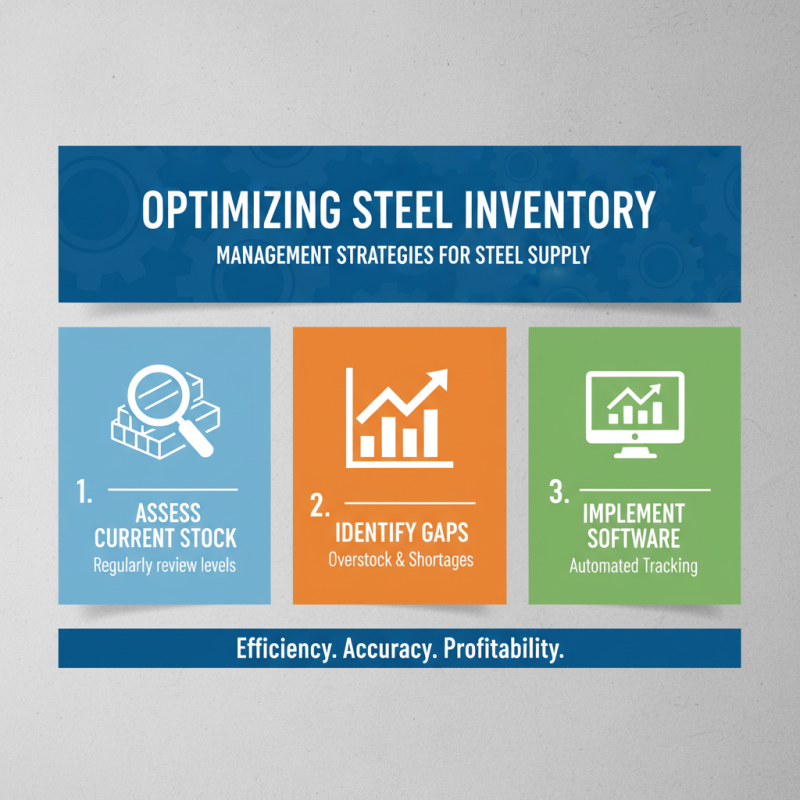
Implement software for inventory and supply chain management. |
Increases efficiency and reduces errors in ordering. |
Initial costs and learning curves associated with new systems. |
Key Factors Influencing Steel Pricing and Availability
When looking for steel supply solutions, understanding the factors influencing pricing is crucial. Steel prices fluctuate due to various reasons. Economic conditions play a significant role. For instance, when demand surges, prices rise sharply. This can be observed in construction booms or infrastructural projects. Supply constraints can push prices higher too. Natural disasters or geopolitical tensions often disrupt supply chains.
Transportation costs also affect steel availability and pricing. Rising fuel prices increase shipping and logistics costs. This has a direct impact on steel prices. Additionally, steel production methods can vary significantly. Some processes are more cost-effective than others. These differences can lead to large price discrepancies. It's important to analyze these aspects when sourcing steel. Many buyers overlook the significance of local suppliers. They might offer quicker delivery times and lower shipping costs. Establishing relationships with these players is often beneficial. However, buyers should remain vigilant and compare options regularly. Not all suppliers provide the best value for money. Reflecting on these elements can enhance decision-making in steel procurement.
Evaluating the Reliability of Steel Suppliers
When searching for reliable steel suppliers, it's essential to assess their credibility. Start by checking their industry experience. Suppliers with a long track record often have proven reliability. Additionally, look into their customer reviews. Positive feedback can indicate satisfaction with quality and service. However, remember that not all reviews tell the full story. Some may be exaggerated or biased.
Another factor to consider is the supplier's certifications. Compliance with industry standards ensures better quality control. Always ask for documentation. This step might seem tedious, but it’s crucial for verifying authenticity. Visiting the production site is also beneficial. Observing operations firsthand can reveal a lot about their practices.
Price is a significant consideration, but it shouldn’t be the only factor. A low price may hint at compromised quality. Balance cost against reliability and quality. Don't overlook communication. Suppliers should be responsive and transparent about their processes. A supplier unwilling to answer questions may not be trustworthy. Reflect on these aspects carefully as you make your decision.
The Best Tips for Finding Steel Supply Solutions
This bar chart illustrates the evaluation of steel suppliers based on key reliability factors, including Delivery Timeliness, Quality Assurance, Customer Service, and Competitive Pricing. These factors are critical for businesses in selecting reliable steel suppliers for their projects.
Emerging Technologies in Steel Supply Solutions and Sustainability
Emerging technologies are transforming steel supply solutions. Innovations in digital platforms help streamline procurement. Data analysis improves decision-making processes. According to a recent report by McKinsey, using big data can reduce supply chain costs by up to 20%.
Sustainability is at the forefront of industry efforts. New processes, like carbon capture, are becoming vital. The World Steel Association highlights that the steel industry is responsible for approximately 7% of global CO2 emissions. Reducing this is crucial. Advanced materials and recycling methods are essential for greener practices.
Finding the right steel supply solution involves smart decisions. Align your goals with supply chain innovations. Evaluate the environmental impact. Collaborate with suppliers who prioritize sustainable practices. Utilize technology to monitor performance and reduce waste. These steps will enhance efficiency and support a more sustainable future.