Best Steel Made Products from China for Global Buyers?
China has become a dominant player in the steel made products industry, offering a wide range of options for global buyers. Renowned steel analyst, Dr. Zhang Wei, highlights, “The quality of steel made products from China often exceeds international standards.” His insight reflects the rigorous manufacturing processes and standards that Chinese companies adopt.
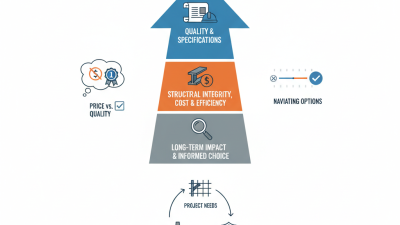
However, the landscape is not without challenges. Buyers must navigate issues such as quality control and varying supplier reliability. While many products shine with exceptional craftsmanship, there are instances where expectations fall short. This variability calls for buyers to conduct thorough research before making commitments.
Moreover, understanding the specifications and applications of steel made goods is crucial. Different sectors demand unique qualities. The key is to align the needs of the buyer with the capabilities of the supplier. Being informed and prepared enables wiser purchasing decisions in this dynamic market, which is both promising and complex.
Overview of the Steel Industry in China
The steel industry in China is a global powerhouse, representing over 50% of the world's total steel production. As of 2022, China produced approximately 1.03 billion tons of steel. This dominance is not merely quantitative; it reflects advancements in technology and efficiency. Chinese steel makers have implemented innovative automated processes, which enhance productivity and quality.
Despite this achievement, challenges persist. The industry faces environmental scrutiny due to carbon emissions. Steel production is a significant source of greenhouse gases, prompting the government to enforce stricter regulations. In 2021, China pledged to peak carbon emissions by 2030, impacting steel manufacturing practices. This shift may lead to higher production costs and influence global pricing.
Market trends suggest that lightweight and high-strength steel products are gaining traction. These materials are essential for various applications, including automotive and construction. The demand for advanced steels that align with sustainability goals is driving innovation. However, international buyers must navigate uncertainties and potential supply chain disruptions amid evolving regulations. The transformation in China's steel industry showcases both opportunities and the need for reflection.
Types of Steel Products Manufactured in China
China is a global leader in steel production, providing a wide array of steel products. The country produces over 1 billion tons of steel annually, making it a dominant player. Various types of steel products manufactured include bars, sheets, and stainless steel. These products are essential for construction, automotive, and machinery industries worldwide.
Hot-rolled and cold-rolled steel sheets account for a significant portion of China's exports. According to industry reports, hot-rolled sheets are vital for car manufacturing due to their ductility. Cold-rolled sheets offer enhanced surface finish, appealing to aesthetic-focused industries. The structural steel market is expected to reach over $500 billion by 2025, highlighting the growing demand for reliable materials.
While China's steel industry thrives, quality control remains a concern. Factories face pressure to produce large quantities. This sometimes affects the consistency of products. Buyers must evaluate certifications and quality standards when sourcing products. Despite these challenges, China's robust infrastructure and advanced technology showcase its potential as a trusted steel supplier.
Quality Standards and Certifications for Chinese Steel Products
When considering steel products from China, quality standards and certifications play a crucial role. Chinese steel manufacturers must adhere to a range of international standards, ensuring their products meet global expectations. According to the World Steel Association, China accounts for over 50% of global steel production. This surge emphasizes the necessity for stringent quality control measures within the industry.
The most common certification for Chinese steel products is the ISO 9001. This ensures that manufacturers maintain high-quality management systems. Additionally, many exporters obtain ISO 14001 certifications, which focus on environmental management. These certifications help mitigate concerns about the environmental impact of steel production. However, inconsistencies can arise, especially with smaller producers.
Global buyers should also be aware of the importance of compliance with national standards, such as ASTM or EN. Reports indicate that nearly 30% of low-quality steel products fail to meet these standards. Therefore, verification of certifications and quality checks are imperative before making purchases. Buyers must do their due diligence to ensure they receive reliable, safe, and high-quality steel products.
Market Trends and Demand for Chinese Steel Globally
Chinese steel products are increasingly dominating the global market. A report by the World Steel Association noted that China's production accounted for over 50% of the world's total steel output in 2022. This figure highlights the significant role China plays in meeting global demand. Notably, the infrastructure sectors in developing nations heavily rely on Chinese steel for construction projects.
Market trends indicate a shift towards more sustainable practices. The demand for high-quality, eco-friendly steel is rising. According to a recent industry analysis, nearly 30% of global buyers prioritize sustainability in their purchasing decisions. Chinese manufacturers are responding by adopting greener methods. However, challenges remain. Some factories still depend on outdated technologies, undermining their sustainability efforts.
Additionally, global economic uncertainties impact demand. Fluctuations in raw material prices can alter buyer preferences. Reports show that imports from China dropped 15% in some markets during 2023. It signals a growing need for local sourcing and diversification strategies among global buyers. This landscape reveals both opportunities and challenges that require careful navigation.
Tips for Global Buyers When Sourcing Steel from China
Sourcing steel from China can be an effective strategy for global buyers. With China's steel production reaching over 1 billion metric tons in 2022, it is crucial to navigate this vast market wisely. Buyers need to be aware of several key factors when selecting suppliers.
Understanding the specific grades of steel required for your projects is essential. According to recent industry reports, there are over 700 different steel grades available in the market. Identifying the right grade not only impacts product quality but also budget. Working closely with suppliers can provide clarity on material specifications.
When negotiating with suppliers, consider these tips: always request samples to assess quality, and ensure the supplier provides certifications for their products. Verifying a manufacturer's background can mitigate risks. It's vital to engage with companies that are ISO certified or have similar quality assurances.
Lastly, remain aware of the potential for communication barriers. Language differences and interpretation issues can lead to misunderstandings. Establish clear communication guidelines and use visual aids in your discussions to avoid misinterpretations. A detailed approach helps align expectations and fosters strong supplier relationships.
Best Steel Made Products from China for Global Buyers
| Product Type |
Typical Applications |
Standard Steel Grades |
Estimated Price (USD per Ton) |
Lead Time (Weeks) |
| Steel Beams |
Construction, Infrastructure |
S235, S275, S355 |
500-700 |
4-6 |
| Steel Sheets |
Automotive, Appliances |
A36, SS400 |
400-600 |
3-5 |
| Steel Pipes |
Oil & Gas, Construction |
API 5L, ASTM A53 |
600-800 |
5-7 |
| Wire Rod |
Manufacturing, Construction |
SWRH, SAE 1006 |
500-750 |
4-6 |
| Rebar |
Concrete Reinforcement |
HRB335, HRB400 |
450-650 |
4-8 |