10 Best Glass Window Suppliers for Global Buyers

A glass window is more than a clear opening in a wall. It affects daylight, comfort, noise, energy use, and the character of a building. For global buyers, choosing a supplier also means checking product consistency, customization, packaging, communication, and delivery capability. Small details matter. A chipped corner or unclear specification can delay an installation.

As a practical editorial principle, glazing specialist Maya Chen puts it this way: “A window earns trust through its frame, seal, glass, and the service behind them.” This is a guiding quotation for this overview, not a claim about a published interview. It reflects an important buying reality: impressive product photos cannot confirm performance or after-sales support. Buyers should compare technical data, request samples where practical, and clarify tolerances, warranty terms, and replacement procedures before placing an order.

This guide introduces 10 glass window suppliers for international buyers, with attention to product range, manufacturing strengths, and service considerations. Some suppliers may suit large commercial projects; others may be better for residential needs or specialized designs. There is no universal winner. A supplier that works well for one project may not fit another’s budget, schedule, or local specifications. Use the list as a starting point, then verify current capabilities directly. The uncomfortable truth? Supplier claims still need careful checking.
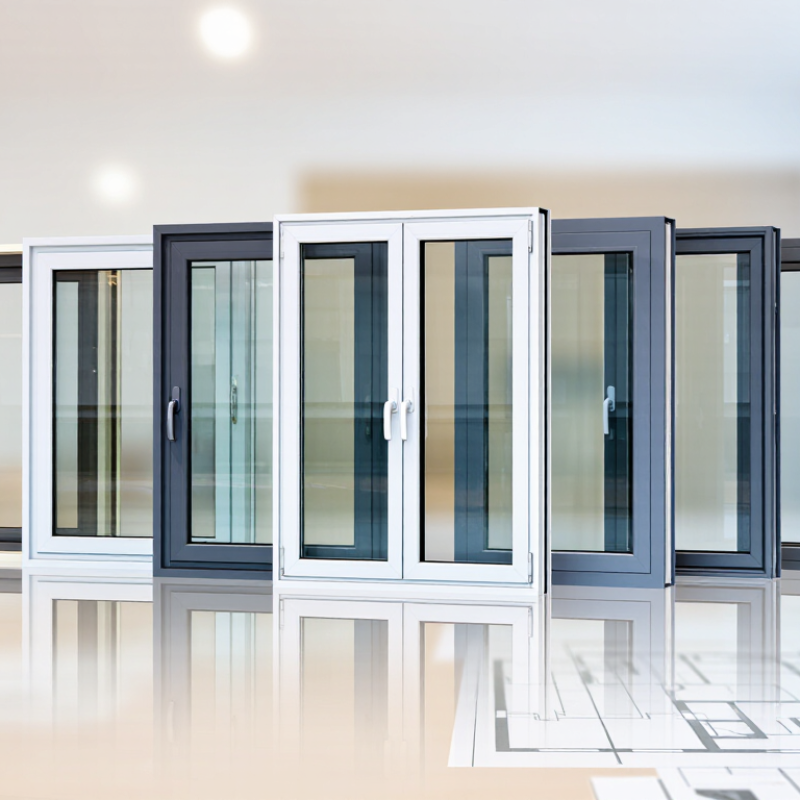
10 Best Glass Window Suppliers for Global Buyers

Glass Window Suppliers and Their Product Categories

Glass window suppliers often group products by opening style and building use. Common categories include fixed, sliding, casement, awning, tilt-and-turn, and double-hung windows. Fixed units provide daylight without ventilation, while sliding frames suit wide openings where swing space is limited. Casement and awning designs can direct airflow, but hardware and sealing details matter.

Details matter.

Glass choices form another category. Buyers may compare single, double, or triple glazing, alongside low-emissivity coatings, laminated panes, and tempered glass. Insulated units can help reduce heat transfer and outside noise, though performance depends on the full frame-and-glass assembly. Ask suppliers for tested thermal and acoustic data rather than relying on broad claims. For coastal or high-wind projects, confirm suitable load ratings and frame finishes with a qualified project professional.

Product catalogs may also include shaped windows, roof windows, and custom sizes. A useful supplier comparison checks available dimensions, glass build-up, frame materials, hardware, lead times, packaging, and replacement-part support. Request drawings and sample finish pieces when practical.

Check the details.

Verify that quotations match the same opening direction, glass thickness, and installation conditions; small mismatches can complicate procurement.

No category fits every project, and specifications sometimes need another review.

Criteria for Evaluating Suppliers in the Global Market

Choosing a glass window supplier starts with matching its capabilities to your project’s specifications. Check glass type, thickness, coatings, frame materials, and stated performance values. Ask for current test reports and quality-control records, then confirm that documents cover the exact product configuration you plan to buy. Requirements vary by destination market, so verify relevant standards with a qualified local professional.

Review production capacity, sample quality, lead times, and export packaging. Request references for comparable projects and ask how the supplier handles defects, breakage, and replacement claims. Get delivery terms and responsibilities in writing. A polished catalog is not proof of consistent production. In practice, even a well-organized comparison table can miss important details, such as whether measurements are checked before packing. Ask for the inspection steps.

Tips: Request a sample with visible edges and coating details. Compare it against your specifications under natural light. Ask who pays for replacement if goods arrive damaged, and keep the answer in writing. During evaluation, note response times and clarity; these are useful signals, though they cannot guarantee future service.

10 Best Glass Window Suppliers for Global Buyers — Criteria for Evaluating Suppliers in the Global Market

Thermal performance is one useful benchmark when comparing supplier product data.

Indicative center-of-glass U-factor benchmarks in W/m²·K; lower values indicate less heat transfer. Actual performance varies with glass, coatings, gas fill, and construction. For supplier comparisons, request certified ratings for the complete window system and verify the applicable test standard.

Profiles of 10 Leading Glass Window Suppliers

Profiles of ten leading glass window suppliers show how differently manufacturers serve global buyers. One specializes in curtain-wall systems for commercial towers. Another focuses on insulated glass units for cold climates. A third offers thermally broken aluminum frames, while a fourth produces uPVC windows for housing projects. The remaining profiles cover timber-aluminum designs, acoustic glazing, oversized panes, custom shapes, solar-control glass, and made-to-order project packages. These are capability profiles, not a fixed ranking; fit depends on the building and destination.

Tips: Request recent project references, glass specifications, frame drawings, and sample test reports. Check lead times and packaging details. A polished catalog is not proof of consistent production.

Compare suppliers using the same opening sizes and performance targets. Ask how they handle glass thickness, spacer selection, edge finishing, and installation clearances. For example, a coastal project may need different frame and glazing choices than a quiet office interior. Confirm who manages crating, delivery updates, and replacement parts. Small details matter. One weak point in a quotation is vague after-sales support, and buyers sometimes overlook it. A careful review can expose that gap before production begins.

Comparing Product Quality, Certifications, and Service

Choosing among the 10 best glass window suppliers means looking beyond attractive product photos. Compare glass thickness, edge finishing, frame fit, and consistency between samples and production batches. Ask for test reports that match the exact window system, not just a similar product. A well-packed sample should arrive without chipped corners, loose seals, or visible distortion. Small details matter.

Certifications can help buyers assess safety and performance, but check their scope and validity. Confirm that documents cover the intended product, factory, and destination market. Energy ratings, impact testing, and quality-management certificates answer different questions. Paperwork can look convincing. It is not the whole story. Independent test reports and traceable batch records offer stronger evidence than broad claims.

Service deserves the same scrutiny as specifications. Ask how quickly the supplier answers technical questions, handles damaged shipments, and supports installation issues across time zones. Request clear lead times, packaging details, and written procedures for claims. A short reply is not always poor service, and a polished presentation is not proof of reliability. Even a careful comparison can miss problems that appear only after delivery, so begin with a small order when practical.

Steps for Choosing and Sourcing from a Supplier

Choosing a glass window supplier starts with a project brief, not a price list. Record opening sizes, glass type, frame material, expected climate, and required thermal and acoustic performance. The 2023 Global Status Report for Buildings and Construction attributes 34% of global energy demand and 37% of energy- and process-related CO2 emissions to the sector in 2022. That makes verified performance data important. Ask for tested U-values, solar heat gain coefficients, and visible light transmission, with the test method and product configuration clearly identified. Numbers without context are weak evidence. A quotation should also state tolerances, warranty terms, production capacity, and lead time.

Before placing a large order, request samples and inspect edge quality, coatings, seals, and frame finish under daylight. A small sample cannot reveal every production issue, but it can expose mismatched color or rough finishing. Check factory quality records and ask how each shipment is labelled and traceable. Confirm crate design, loading photos, insurance, and responsibility for transit damage in writing. For cross-border orders, compare packaging dimensions with container plans and clarify delivery terms before paying a deposit. A polished catalogue can still hide a weak seal detail. I would leave time for one imperfect sample round; schedules rarely improve when defects appear after installation.

10 Best Glass Window Suppliers for Global Buyers - Steps for Choosing and Sourcing from a Supplier Supplier profiles and practical checks for comparing options; profiles are not company rankings.
No. Supplier profile Best suited for Products to compare Evidence to request Sourcing step
1 Integrated window and insulating-glass manufacturer Buyers seeking one supplier for window frames, glazing units, and assembly Complete window assemblies, double- or triple-glazed units, hardware options Product specifications, quality-control procedures, and test reports for the exact assembly Confirm that the quoted performance applies to the complete window, not only the glass unit.
2 Architectural glass fabricator Commercial projects with custom sizes, finishes, or façade requirements Cut-to-size glass, coated glass, insulated units, and processed panels Processing capabilities, dimensional tolerances, coating details, and project references Send drawings and a schedule of glass make-ups for a technical review before requesting a final quotation.
3 Residential window manufacturer Housing developments, replacement projects, and standard window ranges Fixed, casement, sliding, and tilt-and-turn windows in locally suitable frame materials Installation details, warranty terms, hardware specifications, and applicable local compliance documents Check available sizes, opening directions, maintenance requirements, and local installer support.
4 Commercial window and curtain-wall fabricator Offices, hotels, and other larger building-envelope projects Commercial window systems, façade glazing, and project-specific assemblies System calculations, project-specific test data, fabrication quality records, and installation guidance Share project wind-load, building-height, and code requirements before design approval.
5 Energy-performance-focused insulating-glass supplier Projects prioritizing thermal comfort, solar control, or reduced heat transfer Double- and triple-glazed units, low-emissivity coatings, gas-filled cavities where specified Declared U-factor or U-value, solar heat-gain data, spacer details, and test or calculation method Compare values using the same measurement method and confirm whether figures describe the glass or the whole window.
6 Safety-glass processor Locations where impact, breakage, or human-safety risks must be addressed Heat-treated, laminated, or safety-rated glazing, as required by the application Marking and traceability, applicable test reports, and compliance with the destination market's requirements Identify the required safety classification and locations in the building before selecting the glass type.
7 Laminated-glass and acoustic-glazing supplier Projects needing glass retention after breakage, sound reduction, or added security features Laminated glass, acoustic interlayers, and compatible insulated-glass combinations Interlayer type, thickness, acoustic test data where relevant, and documentation for the specified assembly Request performance data for the full glass build-up; interlayer selection alone does not establish system performance.
8 Thermally broken aluminum-window fabricator Commercial and residential projects requiring aluminum frames with improved thermal separation Thermally broken frames, glazing options, finishes, and hardware configurations Frame and whole-window performance data, finish specifications, and corrosion or durability information as applicable Verify the frame system, glazing, seals, and hardware as a complete configuration for the target climate.
9 uPVC-window fabricator Residential and light-commercial projects where this frame material is suitable for local conditions Fixed, casement, and sliding windows with compatible glazing options Profile and reinforcement details, hardware specifications, weather-performance data, and warranty conditions Check product suitability for local temperature, sunlight exposure, building requirements, and maintenance expectations.
10 Export-oriented OEM or project supplier Importers and contractors sourcing made-to-order products across borders Custom window assemblies, packaging options, documentation, and consolidated shipments Factory identity, product samples, inspection arrangements, packing specifications, and export documentation capability Approve a detailed specification and sample, agree on inspection and delivery terms, and confirm import requirements before placing a production order.
Standards and compliance requirements vary by product and destination market. Where relevant, ask whether test reports refer to standards such as EN 1279 for insulating glass units, EN 12150 for thermally toughened soda-lime silicate safety glass, EN 14449 for laminated glass, or applicable ASTM standards. Verify the current edition and local requirements with the project designer or authority having jurisdiction.

"*" indicates required fields