The Best Electrical Steel Types for Efficient Energy Applications
In the realm of energy applications, the choice of materials plays a crucial role in efficiency and performance. One of the most significant materials utilized in electric machinery, transformers, and other energy-converting devices is electrical steel. Known for its unique magnetic properties and high conductivity, electrical steel is essential for minimizing energy losses and enhancing operational effectiveness. This article delves into the various types of electrical steel, exploring their characteristics and suitability for different energy applications.
As the demand for efficient energy solutions continues to grow, understanding the different grades and compositions of electrical steel becomes vital. Each type of electrical steel has distinct properties that make it advantageous for specific applications, whether it be in renewable energy systems, electric vehicles, or traditional power generation. By examining these varieties, one can gain valuable insights into which electrical steel type is best suited for various technological requirements. This exploration not only highlights the importance of material selection but also underscores the transformative impact of electrical steel on the future of energy efficiency.

Understanding Electrical Steel: Definition and Importance
Electrical steel, also known as silicon steel, is a specialized metal used primarily in the manufacture of electrical devices and applications. Its unique properties, such as low core loss and high magnetic permeability, make it an essential material for transformers, electric motors, and generators. According to a recent report from the International Energy Agency, the global demand for electrical steel is expected to rise by nearly 5% annually, driven by the surge in renewable energy and electric vehicle markets. This highlights the critical role electrical steel plays in enhancing energy efficiency and reducing operational costs.
When selecting electrical steel for specific applications, it is vital to consider the grades available, such as grain-oriented and non-grain-oriented types. Grain-oriented electrical steel is preferred in high-performance applications due to its ability to minimize energy loss, particularly in transformers. Non-grain-oriented varieties, while slightly less efficient, offer greater versatility for applications like motors where dimensions and form-factor flexibility are crucial. Industry experts suggest conducting a thorough assessment of magnetic properties and core loss to optimize performance and meet energy efficiency standards.
Tips: Always check the electrical steel's saturation magnetization and loss characteristics to ensure the best fit for your application. Additionally, keep abreast of emerging technologies and research in electrical steel production to benefit from the latest advancements that enhance efficiency further.
The Best Electrical Steel Types for Efficient Energy Applications
| Steel Type |
Magnetic Properties |
Typical Applications |
Thickness Range (mm) |
Electrical Conductivity (S/m) |
| Silicon Steel |
High magnetic permeability |
Transformers, electric motors |
0.5 - 3.0 |
1.2 - 3.5 |
| Grain-Oriented Steel |
Excellent magnetic characteristics |
Power transformers |
0.3 - 1.0 |
2.2 - 4.0 |
| Non-Grain Oriented Steel |
Isotropic magnetic properties |
Motors, generators |
0.5 - 2.5 |
1.0 - 3.0 |
| Amorphous Steel |
Low core loss |
Distribution transformers |
0.2 - 0.5 |
0.5 - 1.8 |
Key Properties of Electrical Steel for Energy Efficiency
Electrical steel, a specialized form of steel designed for electromagnetic applications, plays a crucial role in enhancing energy efficiency in power devices. Key properties of electrical steel include its high magnetic permeability, low core loss, and excellent conductivity. High magnetic permeability allows the material to effectively conduct magnetic fields, which is vital for transformers, motors, and generators. According to a recent industry report by the International Energy Agency, selecting the right type of electrical steel can improve energy efficiency in electrical devices by as much as 30%, contributing significantly to reduced energy consumption.
The use of silicon steel, particularly oriented silicon steel, has gained popularity due to its lower core losses, which enhance overall performance in energy applications. Oriented silicon steel exhibits superior magnetic properties when aligned with the rolling direction, making it ideal for transformer cores. Additionally, advancements in processing techniques have allowed for thinner thicknesses, further reducing losses. Reports suggest that innovations in electrical steel technologies are expected to propel energy efficiency improvements, leading to savings of approximately $10 billion annually in the global energy sector.
Tips: When selecting electrical steel, consider not only the magnetic properties but also factors like thickness and surface treatment. Thinner electrical steel can significantly lower eddy current losses, while specialized coatings can mitigate oxidation and enhance durability. Always refer to the latest materials performance data to ensure optimal choices are made for specific energy applications.
Types of Electrical Steel: Silicon Steel vs. Non-Silicon Variants
When it comes to electrical steel, the choice between
silicon steel and non-silicon variants
is crucial for energy efficiency.
Silicon steel, known for its enhanced magnetic properties, is commonly used in transformer cores and
electrical motors. By increasing electrical resistivity and reducing energy losses, silicon steel
optimizes performance, making it the preferred choice in applications where efficiency is paramount.
Non-silicon variants, while generally less efficient, can offer benefits in cost-effectiveness and
specific mechanical properties, making them suitable for less demanding applications.
Tips: Always consider the specific requirements
of your application when selecting electrical steel. For tasks that prioritize energy efficiency,
silicon steel often provides a better return on investment despite a higher initial cost. On the other
hand, if budget constraints are a major factor, non-silicon variants can serve adequately in applications
where energy efficiency is not the highest priority.
In summary, understanding the differences between silicon
and non-silicon electrical steel types can guide
manufacturers and engineers in making informed choices. By selecting the right steel type, users can
significantly enhance performance and reduce energy losses, which is essential in today's sustainable
energy landscape.
Applications of Electrical Steel in Energy-Converting Devices
Electrical steel plays a crucial role in energy-converting devices, significantly enhancing their operational efficiency and effectiveness.
Widely used in transformers, electric motors, and generators, this specialized steel is designed to optimize magnetic properties and reduce energy losses during operation. The thin sheets of electrical steel possess high magnetic permeability, allowing them to handle varying magnetic fields effectively. This is essential in applications such as wind turbines and electric vehicles where energy conversion is critical.
In the realm of renewable energy, electrical steel is indispensable for applications like wind and solar energy generation. In wind turbines, the steel assists in the conversion of mechanical energy into electrical energy through generators, maximizing energy output.
Similarly, in solar inverters, electrical steel helps in converting the direct current generated by solar panels into alternating current, which is essential for powering homes and businesses.
The advances in electrical steel technology, including improvements in grain orientation and coating processes, continue to enhance performance, making these materials pivotal in the ongoing transition toward more efficient energy systems.
Trends and Innovations in Electrical Steel Technology for Efficiency
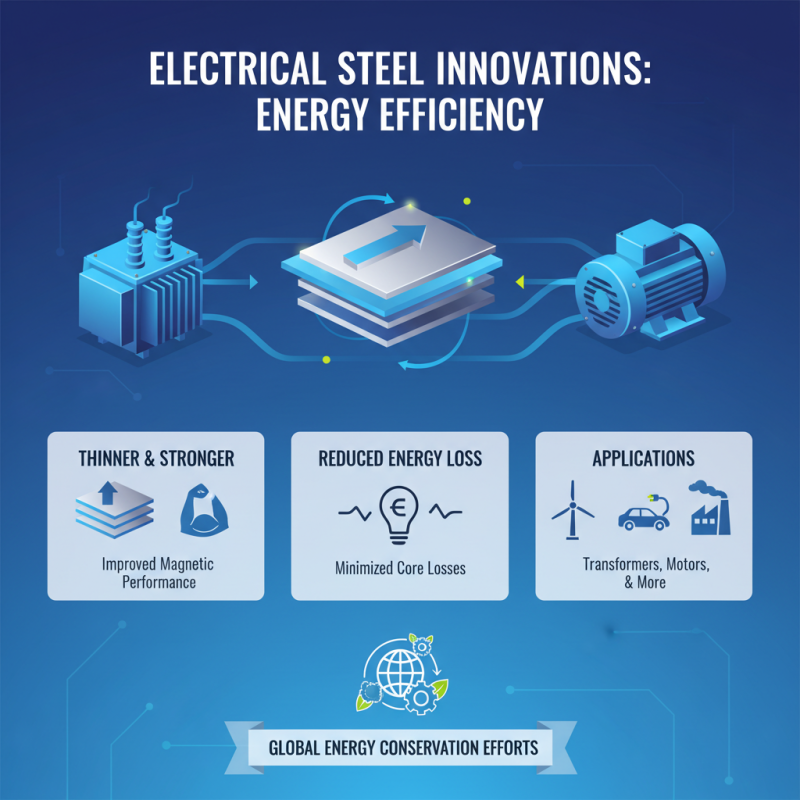
In recent years, the advancement of electrical steel technology has witnessed remarkable trends aimed at enhancing efficiency in energy applications. One significant innovation includes the development of thinner and stronger electrical steels, which allows for improved magnetic performance and reduced energy loss. These materials are essential for applications such as transformers and electric motors, where efficiency is critical. By minimizing core losses through advanced manufacturing techniques and alloy compositions, engineers can design systems that operate more efficiently, contributing to energy conservation efforts globally.
Moreover, the integration of smart manufacturing processes and digital technologies has revolutionized the production of electrical steel. The adoption of AI and machine learning in the manufacturing sector leads to optimized production lines and better quality control, ensuring that the electrical steel produced meets the ever-increasing demands of modern industries. Innovations such as grain-oriented electrical steel with enhanced grain alignment are paving the way for higher permeability and lower hysteresis losses, thereby driving further improvements in energy conversion efficiency. These trends not only highlight the ongoing quest for better performance in energy applications but also underscore a collective commitment to sustainability in manufacturing practices.