10 Best Auto Wrap Vinyl Brands for 2026
Choosing Auto Wrap Vinyl for a full vehicle, roof, or accent panel involves more than picking a color. The right film should suit the vehicle’s curves, paint condition, climate, and intended use. A glossy black may look smooth under showroom lights, while dust, fingerprints, and installation marks become more visible outdoors. Details matter.
This guide reviews ten established wrap brands for 2026, including options often considered by professional installers and experienced vehicle owners. We look at practical factors such as conformability, finish selection, air-release features, product documentation, and the availability of installation support. These qualities can vary between product lines, even within one brand, so checking the specific film’s technical information is essential.
No vinyl makes every installation easy. Surface preparation, temperature, tools, and installer technique all affect the result and its durability. A premium roll applied to poorly prepared paint can still disappoint; a less expensive choice may work well on a simple, carefully planned panel. That part is easy to overlook. Brand rankings also involve judgment, and local stock or warranty terms may differ. Use the comparisons as a starting point, then confirm current specifications and consult a qualified installer when the project is complex. The best choice is the one that fits your finish goals, budget, vehicle, and installation conditions—not simply the most talked-about name.
What Is Auto Wrap Vinyl and How Is It Used?
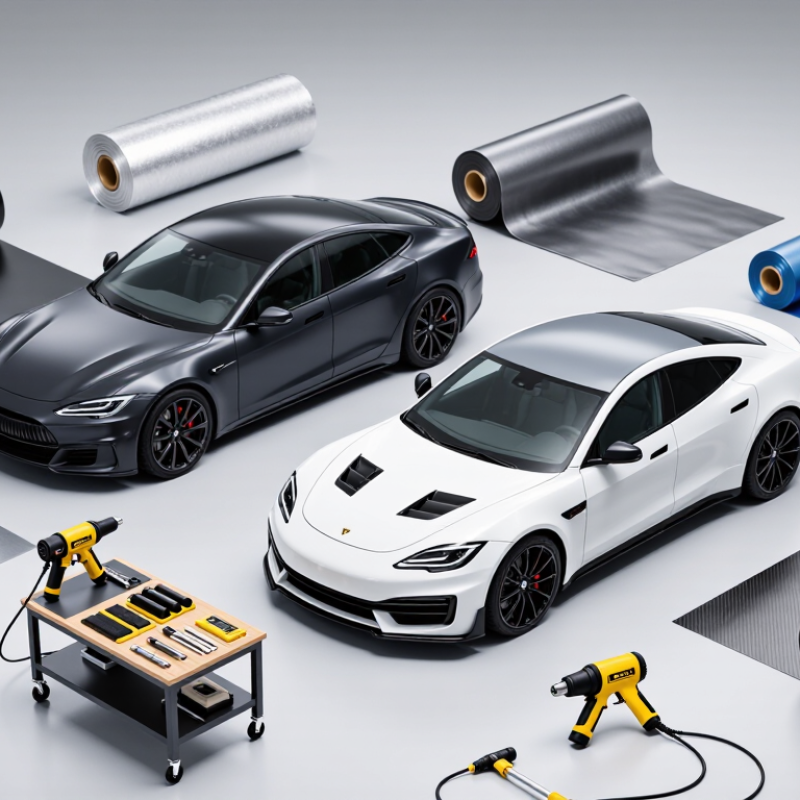
Auto wrap vinyl is a thin, flexible film applied to a vehicle’s painted exterior. It can change the car’s color, add a matte or textured finish, or display custom graphics. Unlike paint, the film sits on top of the surface and can usually be removed by a trained installer without repainting, though results depend on the paint’s condition and the removal process. It is not armor. It may help shield paint from light scuffs and everyday exposure, but it will not prevent dents or every stone chip.
Good results start before the film touches the car. Installers clean the panels, remove residue, and check for peeling paint, deep scratches, and rust. Dust trapped beneath the film can form tiny bumps; stretched corners may lift over time. The film is shaped around curves and edges, often with careful heat and steady pressure. Small details matter. A clean door handle recess can separate a tidy job from a rushed one.
Wraps need sensible care. Wash with gentle products, use soft cloths, and follow the installer’s guidance for pressure washing and maintenance. Sun, weather, driving habits, film quality, and installation all affect how long a wrap looks good. Expectations can be imperfect, too: seams or slight texture may show on close inspection. Ask what the chosen film can realistically do, and inspect the vehicle’s paint before committing.
How to Evaluate Auto Wrap Vinyl Brands in 2026
In 2026, evaluating auto wrap vinyl brands means looking beyond color charts and glossy product photos. Check the published film thickness, expected outdoor durability, and care instructions. These details help you compare products on more than appearance. Ask how the material handles curves, recessed panels, and edges, where poor stretch or weak adhesion may become visible. A credible seller should provide clear technical information and warranty terms, though coverage can depend on installation and maintenance.
Tips: Request a sample and apply it to a clean, curved test panel. Check its finish in direct sunlight and shade. Ask an experienced installer how the film behaves during trimming and removal.
Installer feedback can reveal practical issues that product descriptions miss, such as fingerprints, difficult repositioning, or lifting around tight corners. Compare samples under the lighting where the vehicle is usually parked; a color that looks rich indoors may appear different outside. Confirm that the seller can explain surface preparation and compatible cleaning methods. I once gave too much weight to a dramatic color swatch; it did not tell me how the film would look across a full vehicle. That is an easy mistake to make. Favor consistent specifications and support over sweeping promises.
The 10 Best Auto Wrap Vinyl Brands for 2026
The 10 best auto wrap vinyl brands for 2026 should be judged by measurable features, not glossy photos alone. Look for clear specifications on film thickness, stretch, adhesive release, and expected outdoor life. Cast film generally conforms better to deep curves than calendared film, though installation skill still matters. Ask for a physical sample and inspect it in daylight. Color can look different under shop lighting.
Tips: Clean the panel thoroughly, then test a small piece around a mirror or bumper curve. Watch for lifting, wrinkles, or trapped air. Keep the sample for comparison.
A useful shortlist includes films with consistent color, manageable repositioning, and technical data sheets that explain care requirements. Check whether the stated durability applies to vertical panels; roofs and horizontal surfaces often face harsher sun. Warranty coverage may exclude poor preparation or incorrect installation, so read the terms before buying. Small details matter. A film that feels easy on a flat hood may behave differently around door handles. Even experienced installers can misjudge a tight curve, so a careful test fit is worth the extra time.
How the Leading Brands Compare in Quality and Performance
Comparing auto-wrap vinyl in 2026 means looking beyond color charts. Grand View Research estimated the global automotive wrap-film market at $4.76 billion in 2023. Its 2024 analysis projected 22.2% annual growth through 2030. That expansion signals rising demand, not equal product quality. Buyers should compare film thickness, adhesive behavior, conformability, and published outdoor-durability tests. Small details matter. A film that stretches smoothly around a mirror but shrinks at its edges can create costly rework.
Performance shows up during installation and after months outdoors. On complex curves, installers need film that warms and forms without excessive tension. On broad doors, consistent color and a clean release liner help prevent visible seams. Ask for test methods, exposure conditions, and warranty exclusions; vague “long-life” claims reveal little. ASTM weathering methods can help structure comparisons, but lab exposure does not perfectly predict every climate. Heat, road grime, and frequent washing change outcomes. Still, no single score settles the choice. A tougher film may feel less forgiving during installation, while an easy-to-handle option may need more careful edge finishing. The trade-off deserves a real vehicle test, not just a showroom sample.
How to Choose the Right Auto Wrap Vinyl for Your Vehicle
Choosing auto wrap vinyl starts with the vehicle, not the color chart. A glossy finish can highlight tiny dents, while satin or textured films may soften their appearance. Check the paint carefully: peeling clear coat, rust, or recent repairs can affect adhesion and removal. A wrap is not a fix for damaged paint.
Consider how the vehicle is used and stored. Strong sun, frequent washing, and gravel roads can wear a film faster. Review the manufacturer’s specifications for outdoor durability, care instructions, and removal conditions. Ask an installer to explain how the material handles deep curves, door edges, and bumpers. Those areas test a film’s stretch and adhesion. Small details matter.
Also compare the film’s working feel, not just its stated thickness. Repositionable adhesive can make installation easier, but technique still matters. A clean, dust-free surface is essential. For a first-time project, a roof or simple panel may be more manageable than a full vehicle. Not always. I would be cautious about choosing solely by price; low cost can mean less support or more difficult installation. Request a sample, view it outdoors, and check whether its color changes in direct sunlight.
