Best Aluminum Tube Options for Global Buyers?
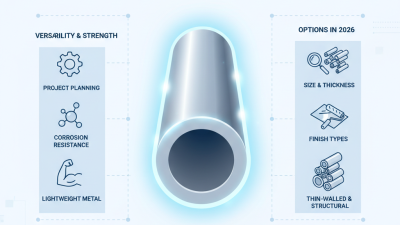
Aluminum tubes are essential in various industries, from construction to manufacturing. Their lightweight and durable properties make them a popular choice for global buyers. When selecting the best aluminum tube options, several factors come into play. Quality, size, and intended use are crucial for making informed decisions.
Understanding the specifications of aluminum tubes can be challenging. Different alloys and treatments affect performance and lifespan. Buyers must consider their specific needs while navigating the myriad options available. It’s important to seek reliable suppliers with a strong reputation in the market. This ensures you receive high-quality products that meet your requirements.
There is no one-size-fits-all solution. Each application demands unique considerations. Reflecting on previous choices can help buyers identify their priorities. The decision-making process requires careful thought and expert insights to optimize outcomes. Embracing this complexity ultimately leads to better purchasing decisions in the aluminum tube market.

Understanding Aluminum Tubes: Types and Applications
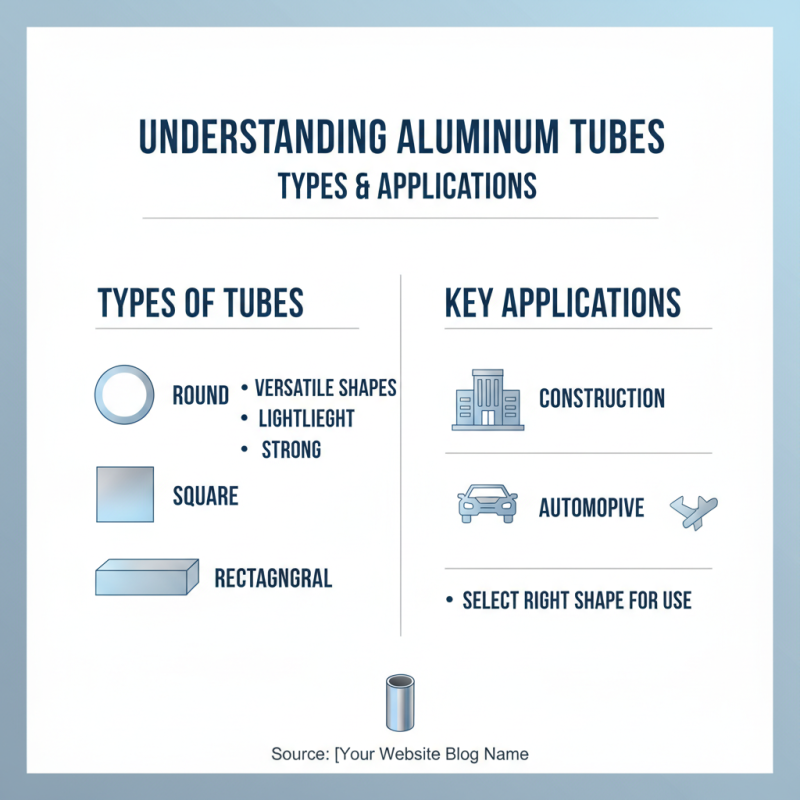
Aluminum tubes are versatile with various types and applications. They are lightweight yet strong, making them ideal for construction, automotive, and aerospace industries. Different shapes, such as round, square, and rectangular tubes, cater to specific uses. Understanding these shapes is crucial for selecting the right tube.
In construction, aluminum tubes support structural integrity. For instance, architects often use them in frameworks. In the automotive sector, they help manufacture vehicle parts, enhancing performance and safety. Aerospace applications showcase aluminum’s lightweight advantage, crucial for fuel efficiency.
Despite their many uses, not all aluminum tubes are created equal. Quality can vary significantly. Buyers must ensure they understand material grades and manufacturing standards. This knowledge can greatly impact project success. It’s important to evaluate suppliers diligently. Look for those with established reputations and reliable certifications. Building a relationship with reputable vendors can lead to better long-term outcomes.
Key Factors to Consider When Selecting Aluminum Tubes
When selecting aluminum tubes, several key factors come into play. Choosing the right alloy is crucial. Different alloys offer varying strength, corrosion resistance, and weldability. According to the Aluminum Association, the 6000 series alloys, such as 6061 and 6063, are popular due to their excellent mechanical properties. They are commonly used in structural applications and can be anodized for additional protection.
Another important consideration is the tube’s dimensions and wall thickness. These factors affect the overall strength and durability of the product. For instance, thinner tubes may be lighter and easier to handle but could compromise structural integrity. A report by the International Aluminum Institute indicates that the demand for lightweight, high-strength materials is growing, particularly in aerospace and automotive sectors.
Surface treatment and finishing can also significantly impact performance. Anodizing improves corrosion resistance and enhances aesthetics. However, not all applications require the same level of finish. Sometimes, extra finishes may be unnecessary, leading to wasted resources. It's essential to assess the specific requirements of each application to determine the most cost-effective and practical solution.
Best Aluminum Tube Options for Global Buyers? - Key Factors to Consider When Selecting Aluminum Tubes
| Dimension (mm) |
Alloy Type |
Weight (kg/m) |
Tensile Strength (MPa) |
Corrosion Resistance |
Price Range ($/m) |
| 20 x 1.5 |
6061 |
0.5 |
275 |
Good |
2.50 - 3.00 |
| 25 x 1.5 |
6063 |
0.6 |
230 |
Excellent |
3.00 - 3.50 |
| 30 x 2.0 |
7075 |
0.8 |
570 |
Fair |
4.00 - 4.50 |
| 40 x 2.5 |
2024 |
1.0 |
480 |
Moderate |
5.00 - 5.50 |
Top Global Manufacturers of Aluminum Tubes
Aluminum tubes are increasingly popular in various industries globally. Their lightweight yet strong characteristics make them ideal for many applications, including automotive, aerospace, and construction. According to a report by Market Research Future, the global aluminum tubing market is projected to reach USD 6.25 billion by 2025, indicating a growing demand.
Several manufacturers have gained prominence in producing aluminum tubes. These manufacturers focus on advanced production methods and quality assurance. The global market is characterized by a mix of large corporations and smaller players. Each brings unique capabilities, such as custom designs or specialized alloys, catering to specific industry needs. However, challenges exist. Not all manufacturers adhere to stringent quality controls, leading to variations in product reliability.
It's crucial for buyers to evaluate manufacturers thoroughly. Factors such as material sourcing, production technology, and adherence to standards should be considered. Reports indicate inconsistencies in customer satisfaction across various manufacturers. In some cases, buyers have reported issues regarding delivery times and product specifications. This reflects the necessity for thorough vetting and continual monitoring of supplier reliability.
Global Aluminum Tube Production (in Thousands of Tons)
Comparative Analysis of Aluminum Tube Prices Worldwide
In recent years, the global aluminum tube market has seen significant price fluctuations. According to a recent industry report, the average price of aluminum tubes has surged by 12% in the past year alone. This rise can be attributed to factors such as raw material costs and supply chain disruptions. For buyers, understanding these dynamics is crucial for making informed purchasing decisions.
A detailed analysis shows that prices vary significantly across regions. In North America, the cost of aluminum tubes averages around $2.50 per kilogram, while in Europe, it can reach up to $3.00 due to stricter regulations and higher production standards. Meanwhile, Asian markets typically offer lower prices, averaging around $1.80 per kilogram. However, buyers should also consider quality standards. Not all sources provide the same level of reliability or product certification.
Moreover, the recent shift towards sustainable materials has influenced pricing strategies. Companies focused on recycling aluminum have reported lower costs due to reduced raw material dependency. Yet, the initial investment for sustainable practices can be high. This complex landscape requires buyers to balance cost with quality and sustainability. Engaging with multiple suppliers and comparing specifications is vital for achieving the best value. It’s a challenging task, highlighting the importance of thorough market research.
Sustainability and Environmental Impact of Aluminum Tubes
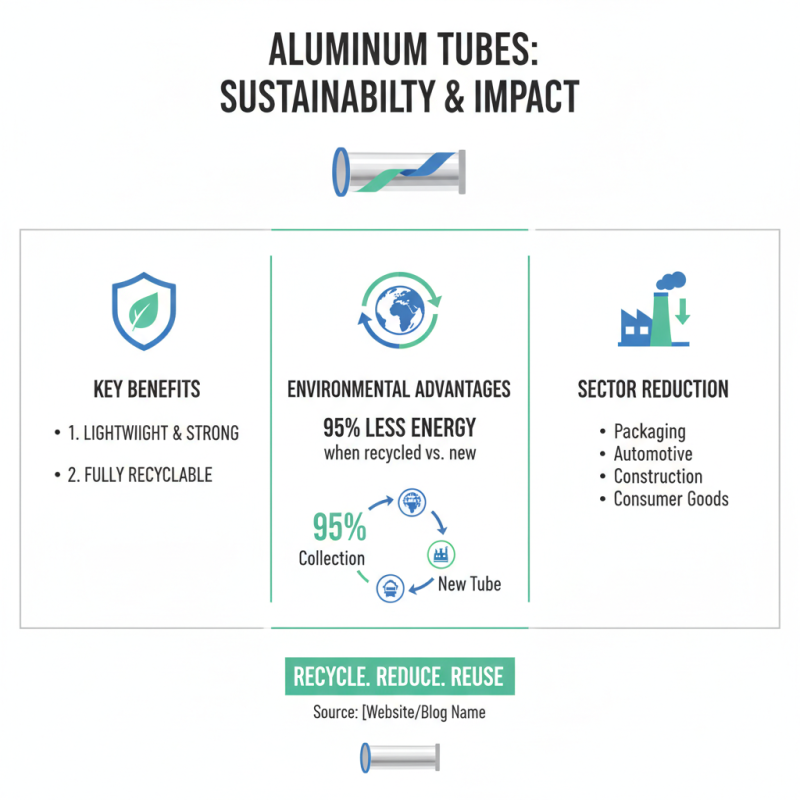
Aluminum tubes are gaining attention for their sustainability. They are lightweight, strong, and recyclable. This reduces the environmental impact in various sectors. When aluminum is recycled, it uses 95% less energy than producing new tubes. This fact showcases the importance of recycling in the aluminum industry.
Yet, there are challenges. Extracting aluminum requires significant energy and resources. This can lead to environmental degradation. Improper disposal of aluminum products also poses risks. It is crucial to manage the lifecycle of aluminum tubes effectively. The responsibility lies with manufacturers and consumers alike.
Innovations are helping to address these issues. Companies are exploring eco-friendly production techniques. Using renewable energy sources is becoming common. However, the market still faces gaps in sustainability practices. Continuous efforts are necessary to enhance the environmental performance of aluminum tubes. Stakeholders must work together to create a more sustainable industry.