2026 Best Aluminum Pipe Options for Your Projects?
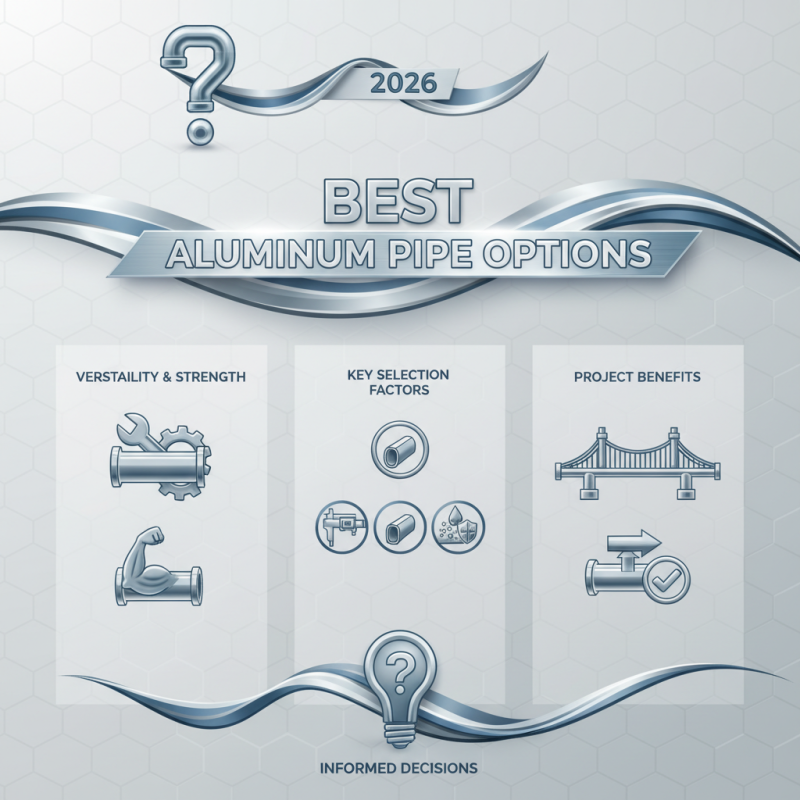
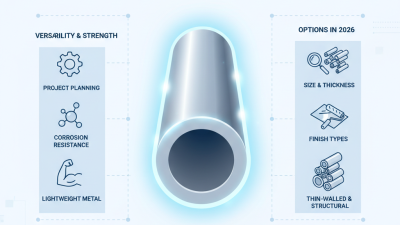
When planning projects, choosing the right materials is crucial. Aluminum pipes stand out for their versatility and strength. They are lightweight yet robust, making them ideal for various applications. Whether you’re constructing a framework or handling fluid transport, aluminum pipes offer multiple benefits.
Selecting the best options in 2026 requires understanding your needs. Consider factors like diameter, wall thickness, and corrosion resistance. You might find it challenging to navigate the wide range of products available. Some options may not meet industry standards or your specific project requirements.
With the right aluminum pipe, your projects can achieve lasting durability and performance. However, it’s essential to reflect on your choices. Not every option will fit perfectly with your plans. This exploration of the best aluminum pipe options will help you make informed decisions for future projects.
Top Aluminum Pipe Types for Various Applications
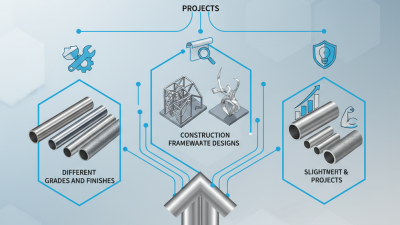
When selecting aluminum pipes, it’s vital to consider the application. Different types serve unique functions. For structural applications, strong, thick-walled tubes provide durability. They resist bending and deformation. Ideal for construction or framework, these pipes ensure stability and longevity.
In fluid transport, thin-walled aluminum pipes excel. They are lightweight and corrosion-resistant. Their smooth interior allows for efficient flow. This makes them perfect for air or water systems. However, they might lack the strength needed for heavy loads. Balancing weight and strength is crucial in design.
Custom extrusion is another option. It allows for tailored shapes and sizes. This flexibility meets diverse project specifications. But, custom options can lead to longer lead times and higher costs. Reflecting on these trade-offs helps in making informed decisions. Choosing the right aluminum pipe ensures project success.
Key Factors to Consider When Choosing Aluminum Pipes
When choosing aluminum pipes for your projects, consider several key factors. The pipe's diameter influences flow and pressure. A larger diameter allows more fluid, but it can also increase costs. Think about the length needed as well. Longer pipes may require more support.
Another crucial aspect is the alloy type. Different alloys have various strengths and corrosion resistance. If the project involves exposure to chemicals or saltwater, select the right alloy. Pay attention to wall thickness as well. Thicker walls provide better durability, but they add weight.
Tips: Always check the weight of the pipes before purchasing. Lighter pipes are easier to handle, while heavier ones might ensure stability. Also, evaluate your project's environment. Is it indoors or outdoors? Wet or dry? Each scenario affects your choice. Reflect on any previous projects you’ve undertaken. Did you experience issues with material strength? Make notes to improve your future selections.
Comparative Analysis of Aluminum Pipe Manufacturers in 2026
When choosing aluminum pipes, various manufacturers offer different advantages. Some focus on durability, while others emphasize lightweight qualities. The differences can impact your project significantly. Each manufacturer may also use unique alloy compositions that affect strength and corrosion resistance. It's crucial to consider these factors during selection.
The manufacturing processes also vary among producers. Some use advanced techniques that enhance performance. However, these methods may lead to higher costs. Be aware of budget constraints when deciding. Often, the cheapest option isn’t the best in terms of quality. Testing samples from a few manufacturers can reveal which type meets your needs.
Reflecting on past experiences can guide your decision-making. Perhaps you’ve faced issues with rust in your recent projects. It’s not uncommon for manufacturers' claims to fall short during real-life applications. Take time to analyze feedback from other users. This can provide insights that technical specifications may lack. Ultimately, understanding the strengths and weaknesses of different aluminum pipe options is vital.
Cost-Effectiveness of Aluminum Pipes vs. Other Materials
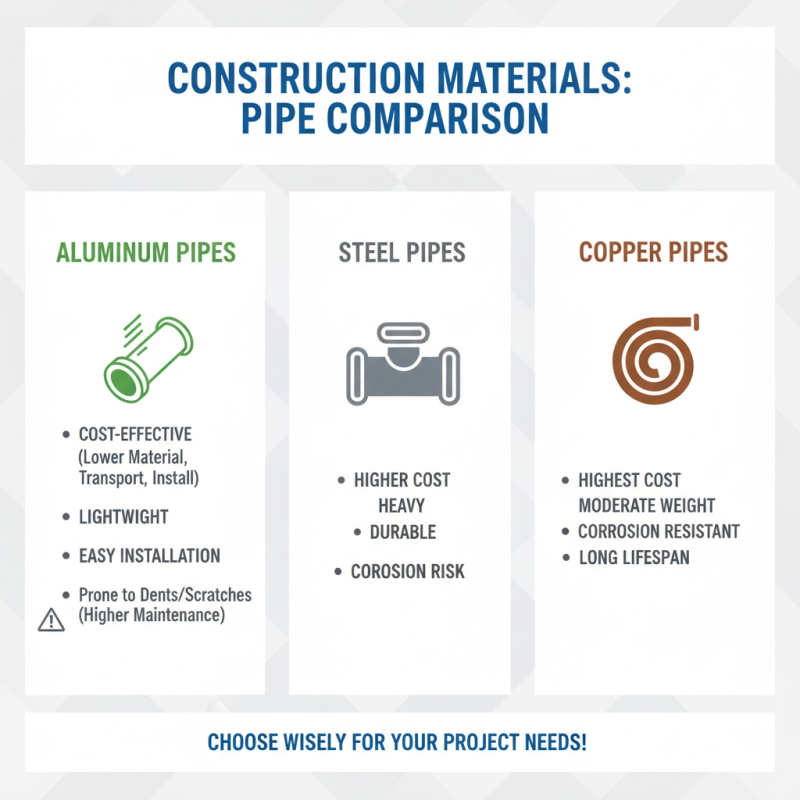
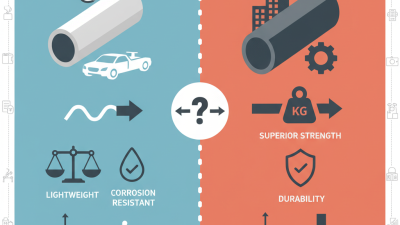
When considering materials for construction projects, aluminum pipes stand out for their cost-effectiveness. Compared to steel or copper, aluminum offers a lighter option. This reduces transportation costs and makes installation easier. Yet, aluminum can dent or scratch more easily. This may lead to higher maintenance costs over time.
It's crucial to examine your project needs. Aluminum pipes resist corrosion well, especially in hasty or outdoor conditions. However, they may not handle extreme pressures as effectively as stronger materials like steel. This trade-off is essential to consider before making a decision.
**Tip:** Always factor in the long-term costs. Sometimes, cheaper upfront materials lead to more expenses later. Assess the environment. If corrosive substances are present, aluminum may save you money in the long run. Look at the entire life cycle, not just immediate costs. Careful planning ensures your choice meets all requirements.
Maintenance Tips for Longevity of Aluminum Pipes
When it comes to aluminum pipes, maintenance is key to ensuring longevity. According to industry reports, improperly maintained pipes can lead to leaks and costly repairs. Regular inspection is essential. Check for signs of wear, corrosion, or physical damage.
Tips: Clean the pipes regularly. Use mild detergent and water. Avoid harsh chemicals that could degrade the aluminum. This simple action can enhance durability.
Another important aspect is proper installation. Ensure the pipes are securely fitted. Misalignment can cause stress points. Over time, these areas may fail. Ensure that your piping system is designed to handle thermal expansion. Aluminum expands with heat, which can lead to buckling if not accounted for.
Tips: Insulate pipes where necessary. This helps manage temperature changes. Proper insulation can prevent condensation, reducing the risk of corrosion. Pay attention to the joints, as they are common failure points. Reinforce them to prevent leaks.